
Deborah Faulkner
I am licensed in the UK with many years of professional work experience. I have experience in helping clients of...
10 years experience United Kingdom

You’ve taken an important step by seeking support, and this page connects you with therapists experienced in panic disorder and panic attacks. You’re in the right place to find thoughtful, compassionate help as you navigate next steps.
Online therapy makes it easier to connect – offering flexibility, privacy, and convenience so you can meet when and where it suits you. Browse the listings below to explore professionals ready to support you.
I am licensed in the UK with many years of professional work experience. I have experience in helping clients of...
10 years experience United Kingdom

My approach is positive and hopeful while realistic, and client focused and directed. My approach is informed by Jungian perspectives,...
10 years experience New Mexico

I am licensed in New York with 36 years of professional work experience. I have experience in helping clients with...
36 years experience New York

Hello and I am excited to get to know you and support you on your journey. I have a Masters...
22 years experience Colorado

I am a Licensed Professional Counselor (LPC) licensed in Louisiana with more than 19 years of professional work experience, including...
19 years experience Louisiana

I am an integrative and neuro psychotherapist, working with adults of all ages. I am registered with the BACP in...
10 years experience Kentucky

Hello! My name is Deborah Gromack. I am a Licensed Mental Health Counselor and am licensed to practice in the...
27 years experience Massachusetts

My name is Deborah Gullatt. I am a licensed therapist in Texas with 28 years of professional work experience. I...
30 years experience Texas
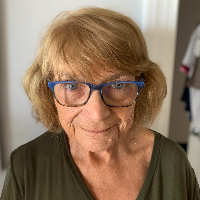
Hi. I am Deborah K. Hilyard and have been a licensed mental health counselor for over 30 years in Florida....
34 years experience Florida

I have been a Social Work for over 20 years. My experience has been working with people and coping with...
20 years experience Florida

Do you feel you are struggling? Are you having feelings of not being good enough or fear that you’re a...
11 years experience United Kingdom

Hi, My name is Debbie. I am credentialed in Australia with over 20 years of professional work experience. I have...
20 years experience Australia

I am licensed in New York with 9 years of professional work experience. I have experience in helping clients with...
9 years experience New York
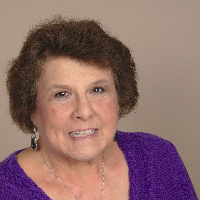
I am a Dual Diagnosis Counselor independently licensed in treating mental health and substance abuse. My licensure in addiction/substance abuse...
31 years experience Ohio

I am a Registered Therapist MBACP with 6 years of professional work experience. As a psycho-dynamic psychoanalytic therapist, I work...
6 years experience United Kingdom

Thankyou for reading my profile. It is difficult to convey my work in few paragraphs. I have been counseling since...
25 years experience Idaho

As an accredited member of the BACP with years of professional work experience, I offer a wealth of expertise as...
6 years experience United Kingdom

I’m pleased to introduce myself to you. I’m Deborah Richardson, LCSW, but most people call me “Deb”. All of my...
45 years experience Tennessee

I have been a counselor for over twenty years. I have taught as an adjunct instructor at the Graduate, Under-graduate,...
21 years experience New York

I am licensed in Oklahoma with 5 years of professional work experience. I have experience in helping clients with stress,...
5 years experience Oklahoma

With 12 years of professional experience with a BA (Hons) in Counselling. I am a member of the British Association...
12 years experience United Kingdom

I am licensed in California with 30 years of professional work experience. I have experience in helping clients with stress,...
30 years experience California

I am licensed in Wisconsin with 15 years of professional work experience. I have experience in helping clients with stress...
15 years experience Wisconsin

Hello, I’m Debbie. As a qualified therapeutic counsellor, I understand that reaching out for help can be daunting, especially if...
4 years experience United Kingdom

I am a qualified Counsellor and practice in the UK and I am registered with the BACP and the NCPS....
16 years experience United Kingdom
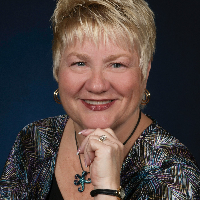
I am a licensed mental health counselor in Florida with 20-years-experience. I have worked with clients in a variety of...
20 years experience Florida

Facing difficult emotional and interpersonal challenges in our lives can be frightening but can also be a time for growth...
12 years experience Arizona

I am a licensed professional counselor in Wisconsin with more than 14 years of experience. I have worked with clients...
14 years experience Wisconsin

Hello there! I am a Clinical Social Worker licensed to provide psychotherapy in Texas. With me, you are working with...
20 years experience Texas

Hello. I’m Debs Barritt and my passion is helping people. Alongside my counselling for BetterHelp, I also own a private...
15 years experience United Kingdom

I am a Licensed Clinical Social Worker (LCSW), licensed in Illinois, with over 10 years of clinical and supervisory experience...
14 years experience Illinois

I am a licensed professional counselor in my second career with my first career being in public safety, now moving...
6 years experience Connecticut

I am licensed in Arizona with 20 years of professional work experience. I have experience in helping clients with stress...
20 years experience Arizona

I am licensed in Illinois with 40 years of professional work experience. I have experience in helping clients with relationship...
40 years experience Illinois

The most important thing I want potential clients to know is that I truly love doing therapy and sincerely care...
40 years experience Illinois

I’m a counsellor with over 15 years’ experience supporting adults, young people, and workplaces through a wide range of challenges,...
15 years experience Australia

As a licensed therapist in Tennessee, I bring over two decades of compassionate clinical experience supporting individuals through life’s complex...
21 years experience Tennessee

I am licensed in Montana with more than 23 years of professional work experience. I have experience in helping clients...
23 years experience Montana
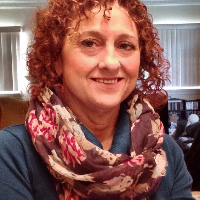
I have been a Licensed Marriage and Family Therapist for 2010 and been working as an intern since 2002. I...
3 years experience California

I am licensed in Arizona with 3 years of professional work experience. I have experience in helping clients with stress,...
7 years experience Arizona
Panic attacks can feel sudden and overwhelming, and when they happen repeatedly they may lead to a diagnosis of panic disorder. If you are searching for support, finding a therapist who understands panic symptoms and effective treatment approaches can make a meaningful difference. This page explains what panic attacks and panic disorder look like, common concerns people bring to therapy, how online therapy can help, and practical steps for finding the right provider.
A panic attack is a surge of intense fear or discomfort that peaks within minutes and includes a mix of physical and cognitive symptoms. People commonly describe heart palpitations, shortness of breath, dizziness, trembling, sensations of choking, chest pain, or a sense of losing control. Panic attacks can happen in response to a specific trigger or seemingly out of the blue.
Panic disorder is characterized by recurrent unexpected panic attacks and ongoing worry or behavior changes related to those attacks. That worry can lead to avoiding places or situations where a person fears an attack may occur, which can limit daily life. Panic symptoms vary from person to person and may overlap with other conditions, so a careful assessment is a key first step.
Many people seek therapy because panic attacks are distressing and disruptive. Common concerns include fear of having another attack, avoiding places like public transit or crowded areas, difficulty going to work or social events, changes in sleep or concentration, and strained relationships due to anxiety.
Some people worry about the physical sensations during an attack and fear a medical emergency, which can prompt frequent medical visits. Others turn to substances to try to manage symptoms, which can complicate treatment. Trauma history, chronic stress, and co-occurring mood or anxiety disorders are also frequent factors that therapists consider when developing a plan.
People often need relief from immediate symptoms, tools to reduce avoidance, and strategies to rebuild confidence in daily activities. Therapy can also help with understanding triggers, learning anxiety management skills, and creating a safety plan for intense moments.
Online therapy makes it easier to connect with clinicians who specialize in panic and anxiety, even if that expertise is not available locally. You can find therapists with specific training in evidence-based approaches such as cognitive-behavioral therapy (CBT) and interoceptive exposure, which are commonly used for panic symptoms.
Remote sessions allow you to practice calming techniques and grounding skills in the environment where symptoms most often occur. Some therapists can provide live coaching during or immediately after an attack, teach real-time breathing and grounding exercises, and help you conduct interoceptive exercises safely under guidance.
Online therapy also supports continuity. If travel, health concerns, or scheduling challenges would otherwise interrupt care, teletherapy helps you maintain regular sessions without commuting or rearranging your day.
Accessibility is a major advantage. Online therapy broadens your options so you can search for clinicians who are a good fit for panic-related treatment rather than being limited to local providers. This can be especially helpful for finding therapists who specialize in specific modalities or who share cultural or linguistic backgrounds that matter to you.
Comfort and convenience are other benefits. Attending sessions from home or another safe place can reduce the stress of getting to appointments, and it lets you practice skills in the places where anxiety happens. Scheduling tends to be more flexible, which can make it easier to fit therapy into a busy life.
Online therapy is not always the best choice for every situation. Some people with very intense or frequent panic attacks, certain medical concerns, or co-occurring safety risks may need in-person support or a coordinated care team. A good therapist will discuss what’s appropriate and help coordinate additional care if needed.
The first steps typically include an intake assessment where a clinician asks about the history of panic attacks, symptom frequency and severity, medical history, and any co-occurring concerns. This assessment helps shape a tailored treatment plan.
Treatment often involves evidence-based techniques such as CBT, which focuses on identifying and changing thought patterns and behaviors that maintain panic. Interoceptive exposure, a specific technique, gradually helps you experience and learn to tolerate the physical sensations associated with panic in a controlled way. Therapists also teach breathing and grounding strategies, relaxation skills, and relapse prevention plans.
Sessions may be conducted via video, phone, or secure messaging, and clinicians frequently assign between-session practice tasks to build skills. Progress is typically reviewed regularly and the plan adjusted as you gain confidence and symptom control. Therapists will also discuss what to do in crisis situations and how to access local emergency care if needed.
Look for clinicians who list anxiety, panic disorder, or panic attacks among their specialties. Ask about their experience with CBT and interoceptive exposure, and whether they have training in treating panic disorder specifically. You can also ask how they handle crisis planning and coordination with medical providers if medication or urgent medical evaluation becomes part of your care.
Consider practical factors like availability, session formats they offer (video, phone), fees, and whether they accept your insurance or offer a sliding scale. Fit and comfort matter: a therapist who listens, validates your experience, and offers clear explanations of treatment approaches can make the process easier to engage with.
Reaching out for help can feel daunting, but a small first step—searching for therapists who list panic disorder, sending an inquiry, or scheduling a brief consultation—moves you toward more control over symptoms. Prepare a short summary of what you experience, how often attacks occur, and what you hope to achieve in therapy to share in your first session.
Finding the right therapist may take time, and it’s okay to try a few clinicians before committing. Therapy is a collaborative process, and many people find that consistent work with an experienced clinician helps reduce the intensity and frequency of panic attacks and restores confidence in day-to-day life.
If you are concerned about safety or feel at immediate risk, contact local emergency services or a crisis line in your area. Otherwise, use this directory to find therapists who specialize in panic disorder and ask about telehealth options, evidence-based approaches, and crisis planning before you begin.