
Paul Hunt
Starting therapy can feel like a big step, and a deeply personal one. You might not know where to begin...
3 years experience United Kingdom

Choosing to seek support takes courage, and you’re in the right place to connect with therapists for isolation / loneliness who can listen and support you as you rebuild connection and well-being.
Online sessions offer flexibility, privacy, and convenience – letting you meet from home or on the go. Browse the listings below to explore counselors and find someone you feel comfortable with.
Starting therapy can feel like a big step, and a deeply personal one. You might not know where to begin...
3 years experience United Kingdom

I am licensed in California with 30 years of professional work experience. I help clients with stress and anxiety, depression,...
30 years experience California

I am a credentialed Integrative Counsellor based in the United Kingdom, with three years of professional experience supporting individuals through...
3 years experience United Kingdom

Therapy with me is not about “fixing” you. It is about understanding what is happening beneath the surface, and creating...
5 years experience Louisiana

Thank you for reading my profile, my name is Paul Laskowski, I graduated with a Bachelor’s Degree in Counselling and...
7 years experience United Kingdom

I am licensed in Louisiana with 30 years of professional work experience. I have experience in helping clients with relationship...
30 years experience Louisiana

I am a licensed therapist in the UK associated with the BACP 00930305 with four years of professional work experience....
4 years experience United Kingdom

I am licensed in the UK with 8 years of professional work experience. I have experience in helping clients with...
8 years experience United Kingdom

I enjoy working with adolescents and adults covering a wide range of issues, including aggression management, anxiety, divorce reaction, depression,...
5 years experience Missouri

I am licensed in Indiana with 14 years of professional work experience. I have experience in helping clients with stress,...
14 years experience Indiana

I have been working as a Clinical Social Worker since 2005 after 30+ years in the Chemical Industry. I have...
20 years experience Pennsylvania
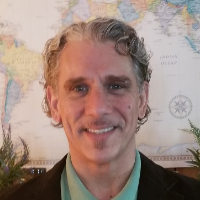
My Name is Paul D. Pasternak and I am a Licenced Mental Health Counselor (LMHC) in New York State. I...
25 years experience New York

Hi, my name is Paul. I am an accredited and qualified counsellor. I will work with you to overcome your...
6 years experience United Kingdom

I am licensed in the UK with 7 years of professional work experience. I have experience in helping clients with...
7 years experience United Kingdom

As a relational integrative counsellor and psychotherapist, I offer a unique approach that can help you overcome challenges and improve...
5 years experience United Kingdom

However you are feeling right now, I’ve found lasting change does come through using professional therapy. In time this will...
3 years experience United Kingdom

I am licensed in Tennessee with 6 years of professional work experience. I have experience in helping clients with stress...
7 years experience Tennessee

Whatever is going on for you, by talking things through we can find a way for you to move to...
15 years experience United Kingdom

I am licensed in Florida with 17 years of professional work experience. I have experience in helping clients with stress...
17 years experience Florida

I am credentialed in the UK with 13 years of professional work experience. I have experience in helping clients to...
15 years experience United Kingdom

Hi and thanks for taking the time to look at my profile. I am a qualified Counsellor with experience working...
14 years experience United Kingdom

I am licensed in Texas with 14 years of professional work experience. I have experience in helping clients with stress...
14 years experience Texas

I am credentialed in the UK with 3 years of professional work experience. I have experience in helping clients with...
4 years experience New York

I am credentialed in the UK with 3 years of professional work experience. I have experience in helping clients with...
3 years experience United Kingdom

I am so glad that you are here and ready to improve your life. I am a licensed clinical social...
5 years experience Tennessee

I am a BACP registered therapist in the UK with 3 years of professional work experience. I have experience in...
4 years experience United Kingdom

Hello there and thank you for clicking on my profile. If we meet, the first thing you will notice after...
20 years experience Virginia
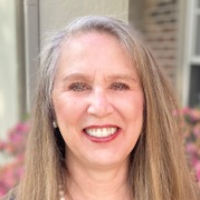
I am a Licensed Clinical Social Worker licensed in Tennessee with over 20 years of experience. I have worked with...
6 years experience Tennessee

I am licensed in New Jersey with 4 years of professional work experience. I have experience in helping clients with...
4 years experience New Jersey

I am licensed in Idaho with 20 years of professional work experience. I have worked in clinic and private practice...
20 years experience New Mexico

I am licensed in North Carolina, South Carolina and Virginia with 10 years of professional work experience. I have experience...
10 years experience North Carolina

I am licensed in the UK with 5 years of professional work experience. I have experience in helping clients with...
7 years experience United Kingdom

If you’re exhausted from being strong all the time, doubting yourself, or feeling stuck in painful relationship patterns-you’re not alone....
13 years experience United Kingdom
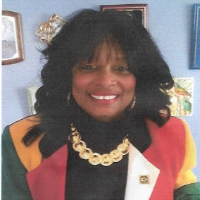
Greetings I have always had a deep affection for the field of Human Services since the day my siblings came...
30 years experience New Jersey
I am a compassionate UK accredited counsellor and clinical supervisor with over 14 years experience of client work across many...
14 years experience United Kingdom

Hi I’m Paula. and firstly a warm welcome, it is important to find the right counselor for you. So please...
4 years experience United Kingdom

I am MBACP accredited May 2024. I have been helping clients for over 16 years deal with loss in my...
16 years experience United Kingdom

Helping you break old patterns and build healthier, more fulfilling relationships. I can help if you’re: - Feeling stuck in...
5 years experience United Kingdom

I am licensed in Mississippi with 20 years of professional work experience. I have experience in helping clients with stress...
20 years experience Mississippi

Hi. Has the time come for you to consider making a change? I hear you. My name is Paula and...
3 years experience United Kingdom
Feeling isolated or chronically lonely is a common human experience, and many people find that therapy helps them understand and change the patterns that keep them feeling disconnected. Whether loneliness comes from life transitions, social anxiety, moves, grief, or circumstances like remote work, online therapy can be an accessible and effective way to find support and build meaningful connections.
Loneliness is the painful feeling that comes from a gap between the social connection you want and the social connection you have. It is different from simply being alone – solitude can feel restorative for some people, while loneliness feels empty and distressing.
Isolation is often used to describe limited social contact or physical separation from others. It can be voluntary or involuntary, situational (such as after moving to a new city or during a major life change), or related to barriers like disability, caregiving responsibilities, or stigma.
Both loneliness and isolation can affect mood, energy, motivation, and how you relate to others. Therapy focuses on understanding the roots of these feelings and on building skills and habits that promote connection and well-being.
People seek help for loneliness for many reasons. Some are dealing with the aftermath of a breakup or loss and feel disconnected from friends and family. Others struggle with social anxiety or low self-esteem that makes it hard to initiate or maintain relationships. Major life transitions – such as retirement, becoming a parent, moving, or changing jobs – can leave people feeling adrift.
Some worry that their loneliness is a sign of a deeper mental health issue like depression, while others fear rejection or judgment and withdraw as a result. For caregivers, people with chronic illness, and those in marginalized communities, practical barriers can make it harder to form social ties. Therapy can address the emotional patterns and practical obstacles that sustain loneliness.
Online therapy makes emotional support more accessible and flexible. If isolation or mobility issues limit your ability to attend in-person sessions, remote sessions let you connect with a therapist from home or another private space. This can reduce barriers and make it easier to begin treatment.
Working with a therapist online gives you a consistent place to talk through feelings of loneliness, try new social strategies, and process fears around connecting with others. Therapists can help you explore thought patterns that increase isolation, develop social and communication skills, set realistic goals for building relationships, and practice exposure to anxiety-provoking situations in gradual steps.
Online therapy also expands your options when choosing a therapist. You can find clinicians who specialize in loneliness, grief, social anxiety, or life transitions, and who have cultural competence related to your identity or life situation, even if they aren’t local to you.
Online therapy offers several advantages without claiming to replace all aspects of in-person care. Accessibility is a major benefit – you can access therapists outside your geographic area, which is especially helpful in rural locations or places with limited mental health services.
Convenience is another plus. Scheduling is often easier because you eliminate commuting time, making it simpler to fit sessions into a busy week. For many people, being in their own comfortable environment can reduce anxiety and make it easier to open up.
Online formats can also broaden the types of support available. Video sessions allow face-to-face interaction, while messaging or phone sessions can provide more frequent check-ins or a gentler first step for those uncomfortable with video. That flexibility can help maintain continuity of care when travel or life events would otherwise interrupt therapy.
At the same time, in-person sessions may offer benefits like a different kind of presence and nonverbal communication cues. The two formats can be complementary; the best choice depends on personal preference, accessibility, and therapeutic needs.
Initial sessions typically focus on understanding your history, current relationships, and what loneliness looks like for you. Your therapist will ask about patterns, triggers, and any co-occurring concerns such as anxiety or depression. Together you’ll identify goals—these might include making new friends, strengthening existing relationships, managing social anxiety, or coping with grief.
Treatment approaches often include cognitive-behavioral strategies to challenge unhelpful thoughts, behavioral activation to increase engagement in meaningful activities, interpersonal therapy to improve relationship skills, and skills training for communication and assertiveness. Your therapist may suggest small, practical assignments between sessions to practice new skills.
Sessions can be video, phone, or text-based, depending on the therapist’s offerings. Expect a combination of talk, skills practice, and homework. Therapists should discuss confidentiality, the secure platform you’ll use, and a plan for crisis situations. If a different therapy type or additional services could help, a good therapist will discuss referrals or coordination of care.
Begin by searching for therapists who list loneliness, social anxiety, grief, or life transitions as areas of focus. Look for clinicians who mention relevant approaches such as cognitive-behavioral therapy, interpersonal therapy, acceptance and commitment therapy, or experience with relationship or group work.
Consider practical fit: what formats do they offer (video, phone, messaging)? Do their hours match your schedule? Check for cultural competence and experience with your identity or background if that is important to you.
Contact potential therapists with questions: ask about their experience treating loneliness, how they structure online sessions, what a typical treatment plan looks like, and what to expect between sessions. Many therapists offer a brief consult to help you decide if it feels like a good match. Trust your sense of rapport—feeling understood and respected is key to making progress.
Reaching out for help is a meaningful act, even if it feels small. You don’t have to have everything figured out to begin. Start by searching a directory for therapists who specialize in loneliness, social anxiety, grief, or the particular life change you’re facing. Narrow options by availability, modality, and any cultural or identity-related preferences.
Schedule an initial consult or first session, and prepare a few questions about approach and goals. Set one small, achievable aim for the first few weeks—like attending a community event, contacting an old friend, or practicing a conversation skill—and share that with your therapist. Give yourself credit for taking action and be patient; building connection is a process, and therapy can help you learn sustainable ways to feel more connected.
If you’re unsure where to start, try filtering therapists by specialty and availability. You deserve support that fits your life and helps you move toward the kinds of relationships and belonging you want.