
Dr. Christopher Graham
I am licensed in Oklahoma with 13 years of professional work experience. I have experience in helping clients with relationship...
13 years experience Oklahoma

Choosing to seek support takes courage, and you’re in the right place to connect with therapists for Intimacy-related Issues. You deserve respectful, compassionate care as you work toward closer, more fulfilling relationships.
Online therapy offers flexibility, privacy, and convenience, so you can meet from home or during a break – take a look through the listings below to explore professionals who might fit your needs.
I am licensed in Oklahoma with 13 years of professional work experience. I have experience in helping clients with relationship...
13 years experience Oklahoma

My name is Christopher Hale, I am a Professional Counselor (LPC), Clinical Social Worker (LCSW), and Alcohol & Drug Counselor...
13 years experience Connecticut
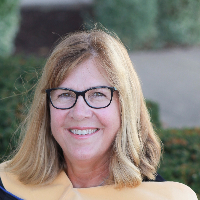
I am a Licensed Clinical Social Worker with over 20 years of experience working with children, teens and families. I...
23 years experience Illinois

I am Dr. Cindy M. George, a registered mental health counsellor with over twenty five years of experience in the...
25 years experience United Kingdom

Hello to all viewing my profile! I prefer to think of it as a first step towards my possibly helping...
4 years experience Florida

Aloha! My name is Dr. Cliff Green, and I am a Licensed Clinical Social Worker in Honolulu, HI. I also...
8 years experience Hawaii

Hello, I am Dr. Corlissa Wilson, please feel free to call me Dr. C. I am a Licensed Professional Counselor...
25 years experience Georgia

“If you have a dream, don’t just sit there. Gather courage to believe that you can succeed and leave no...
15 years experience Michigan

As a licensed therapist serving clients in New York, I specialize in supporting individuals navigating complex emotional landscapes. My practice...
6 years experience New York

I am a licensed professional counselor with over 25 years of experience counseling at-risk children, youth, adults, and families. My...
15 years experience Virginia

I am licensed in Rhode Island with 12 years of professional work experience. I have experience in helping clients with...
12 years experience Rhode Island

About Dr Cynthia Before I went to school to become a psychotherapist, I was a teacher of Inner Guidance. I...
32 years experience California

I am a licensed psychologist in Ohio with over 15 years experience. I have expertise in treating a variety of...
15 years experience Ohio
I am a licensed psychologist in Ohio with over 15 years experience. I have expertise in treating a variety of...
15 years experience Ohio

Greetings! My name is Dr. Damien Johnson and I am a counseling professional with over 17 years of experience in...
17 years experience South Carolina

I am a licensed therapist in the state of Minnesota. I have experience in helping clients with stress and anxiety,...
6 years experience Minnesota

I am a licensed mental health professional in Florida, with 20+ years of experience. My approach to therapy focuses on...
23 years experience Florida

I am licensed in Florida and have PsyPact authorization for telehealth services in participating states. I have over 25 years...
27 years experience Florida

Hi, and thank you for checking out my profile! I am the Director of Western Slope Psychological Services in Colorado,...
10 years experience Colorado

I am licensed in Kentucky with 12 years of professional work experience. I have experience in helping clients from all...
12 years experience Kentucky

I am a Licensed Clinical Professional Counselor (LCPC) in Illinois with 8 years of professional work experience. I have worked...
8 years experience Illinois

Hello, I am Dr. Darlene Anderson, a Licensed Professional Counselor (LPC) in the state of Virginia, a Licensed Clinical Mental...
20 years experience Virginia

I am a Michigan Licensed Professional Counselor (LPC) and nationally Certified Rehabilitation Counselor (CRC). I have had clinical experience working...
3 years experience Michigan
I am a Michigan Licensed Professional Counselor (LPC) and nationally Certified Rehabilitation Counselor (CRC). I have had clinical experience working...
3 years experience Michigan

Darlene Viggiano Doctor of Philosophy, Marriage and Family Therapist Darlene Viggiano earned a PhD degree in Psychology from Saybrook University...
18 years experience California
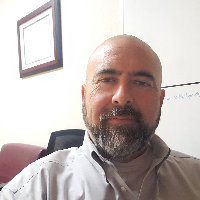
I have been working in the mental health field since the early 2000s. I am a Licensed Professional Counselor with...
18 years experience Texas

My name is Dave and I am a clinical health psychologist with over 30 years of experience in the field....
22 years experience Arizona

Welcome to a space of transformation and growth, where your journey towards a more fulfilling life begins. As a seasoned...
29 years experience Wisconsin

I am a Licensed Independent Clinical Social Worker with a Doctorate in Psychology practicing in Minnesota with over 35 years...
35 years experience Minnesota
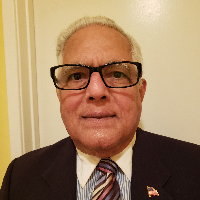
I believe in short term therapy. My goal is to help my patients to deal with the past, focus on...
36 years experience California

My professional background includes over 25 years experience as a clinical provider, professor, healthcare consultant, executive, researcher, and writer. My...
20 years experience Minnesota

I am licensed in Idaho with 13 years of professional work experience. I have experience in helping clients with stress...
13 years experience Idaho
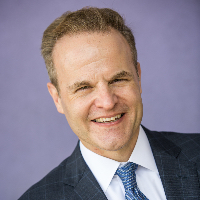
I am a psychologist that has focused much of my career on work in organizational settings. I believe we cannot...
20 years experience Pennsylvania

Today you are one step closer to a new, empowered self on a positive path to growth and well-being. My...
15 years experience Florida

I am licensed in Georgia with 7 years of professional work experience. I hold a PhD in Counselor Education &...
7 years experience Georgia

Are you ready? Ready to take back control of your thoughts, feelings, and emotions. If your answer is yes, you...
10 years experience Arkansas

I am a Professional Counselor licensed in Georgia with over 14 years of experience working as a therapist. I have...
14 years experience Georgia
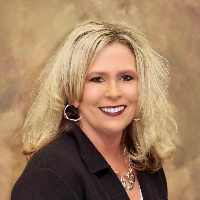
Hello, I am Dr. DeAnna (Dee Dee)Brookhart. I am a Licensed Clinical Professional Counselor, a Certified Advanced Alcohol and Other...
27 years experience Illinois

Just so you can get to know me a bit better: I am a mental health counselor with a PhD...
12 years experience Florida

I have been working with parents, couples, families and individuals in the area of family life for over 40 years....
20 years experience Michigan
Struggling with intimacy can feel isolating and confusing, whether the difficulty shows up as emotional distance, sexual concerns, fear of vulnerability, or trouble connecting after betrayal. Therapy can help people and couples explore the roots of these challenges, build skills for deeper connection, and repair or reimagine relationships. Online therapy makes this support more accessible, private, and flexible, helping you work on intimacy in a setting that often feels safer and more convenient.
Intimacy-related issues cover a wide range of experiences where people find it hard to connect with others in close, meaningful ways. Emotional intimacy involves sharing thoughts and feelings and feeling seen and understood. Sexual intimacy covers desire, arousal, performance concerns, mismatched libido, and physical expression. Practical intimacy includes sharing responsibilities, decision-making, and daily closeness. Attachment and trust shape how we relate to partners, friends, and family across all these areas.
Issues can be rooted in early attachment patterns, past trauma, communication breakdowns, health changes, life transitions, or cultural and religious beliefs about sex and closeness. They may appear as an avoidant partner who struggles to open up, a couple with persistent desire differences, an individual coping with shame about sexual history, or a relationship recovering from infidelity. Each presentation is different, and therapy is tailored to the person or couple seeking help.
People often come to therapy because they feel like roommates rather than partners. Emotional withdrawal can come from fear of rejection, unresolved conflict, or difficulty identifying and expressing feelings. Therapy helps people recognize patterns and practice safe ways to turn toward each other.
Low desire, erectile dysfunction, pain during sex, or mismatched libidos are common reasons to seek help. A therapist with training in sex therapy or working alongside medical providers can help identify contributing factors, teach communication strategies, and outline behavioral exercises to rebuild sexual intimacy.
Betrayal can shatter a relationship’s foundation. Couples often need guidance to navigate intense emotions, understand why the breach happened, and decide whether and how to rebuild trust. Therapy provides structure for honest conversations and a plan for repair or separation when necessary.
People who grew up in environments that discouraged emotional expression may struggle to be vulnerable as adults. Attachment-based therapy can explore these early experiences and help develop secure connection skills over time.
Online therapy offers many ways to address intimacy issues. Individual therapy helps you explore personal history, patterns of relating, and internal barriers to closeness. Couples therapy offers a shared space for partners to practice communication, negotiate needs, and rebuild trust with a trained guide. Sex therapy can focus on practical solutions, education, and exercises aimed at improving sexual functioning and satisfaction.
Online formats often include video sessions that replicate face-to-face interaction while allowing clients to be in a comfortable, familiar environment. Many therapists also assign in-session and between-session exercises, communication scripts, and guided behavioral experiments that couples can practice in real time. For some, the reduced pressure of a physical office makes it easier to open up about sensitive topics.
Online therapy increases access by removing geographic barriers. If you live in a rural area or your local options are limited, you can connect with therapists who specialize in intimacy work across regions. Scheduling is often more flexible, with evening or weekend appointments that fit busy lives.
Privacy is another benefit. You can attend sessions from a private room at home or another safe space, avoiding the commute and waiting room. This can feel less intimidating, especially when discussing intimate or sexual topics. For couples, being in the same home during a session can make it easier to practice communication skills immediately after guidance from the therapist.
Online therapy also broadens the pool of providers, making it easier to find clinicians with specific training, such as certified sex therapists, trauma-informed clinicians, or therapists experienced with LGBTQ+ relationships and cultural diversity. This match between need and expertise can improve the relevance and effectiveness of care.
Initial sessions typically involve an assessment of concerns, relationship history, health factors, and goals. Therapists will ask about symptoms, communication patterns, sexual history when relevant, and any medical or medication issues that could be affecting intimacy. For couples, there is usually time spent on each partner’s perspective and on establishing therapy goals together.
Therapeutic approaches vary. Some therapists use emotion-focused techniques that target how partners process and respond to emotions. Others use cognitive-behavioral strategies to change unhelpful thoughts and behaviors affecting intimacy. Sex therapists may provide education, sensate-focus or other behavioral exercises, and homework to practice between sessions. Trauma-informed clinicians prioritize safety, pacing, and stabilization when past trauma affects intimacy.
Sessions are generally confidential within the limits of law and ethics. Therapists should explain their privacy policies, emergency procedures, and what to do if a crisis arises between sessions. Online platforms may have specific guidelines for privacy and technology use, and therapists should discuss these with you before beginning.
Start by looking for clinicians who explicitly list intimacy, couples therapy, or sex therapy as specialties. Check credentials to confirm they are licensed and have additional training when appropriate. Certification or training in sex therapy, emotion-focused couples therapy, or trauma-informed care can be particularly helpful depending on your needs.
Consider cultural competence and inclusivity. If you and your partner have identities or backgrounds that affect your relationship—race, religion, sexual orientation, gender identity, or cultural norms—seek a therapist who demonstrates sensitivity and experience in that area. Read provider profiles, look for language about working with diverse relationships, and ask about experience during an initial consultation.
Practical factors matter too. Verify that the therapist offers secure telehealth sessions, has appropriate confidentiality policies, fits your schedule, and accepts your payment method or insurance. It’s also okay to have a brief introductory call to see if the therapist’s style feels like a good fit for you and your partner.
Deciding to seek help for intimacy issues is a meaningful step toward greater connection and wellbeing. You do not need to have everything figured out before reaching out. A directory can help you find licensed therapists who specialize in intimacy work and offer online appointments that fit your life.
Begin by searching for therapists with the training and experience that match your concerns. Prepare a few questions for an initial consultation about their approach to intimacy, experience with issues like yours, and how they handle confidentiality and emergencies. If a therapist doesn’t feel like the right fit after a session, it’s okay to look for someone else—finding the right clinician is part of the process.
Taking one small action—scheduling a consultation, sending an inquiry, or even journaling about your goals—can start a positive chain of events. With patience and the right support, many people and couples find that intimacy can be rebuilt, deepened, and transformed into a more honest and satisfying connection.