
Molly Nevens
Molly is a Licensed Independent Clinical Social Worker whose primary focus is working with you in a safe, supportive and...
10 years experience Massachusetts

You’ve taken a meaningful step by seeking support for dissociation, and you’re in the right place to find therapists offering compassionate, experienced care. You’re not alone in this process, and reaching out is a strong move toward feeling steadier.
Online sessions offer flexibility, privacy, and convenience, making it easier to connect at times and in spaces that suit you. Browse the listings below to explore practitioners ready to support your next step.
Molly is a Licensed Independent Clinical Social Worker whose primary focus is working with you in a safe, supportive and...
10 years experience Massachusetts

If you are looking for a therapist who cares and makes the effort, who listens without judgment. If you wish...
24 years experience Florida

I am licensed in South Carolina with 41 years of professional work experience. I have experience in helping clients with...
41 years experience South Carolina

Greetings! If you are reading this then you have taken the first step towards creating your new and improved self....
16 years experience Louisiana

“Rarely, if ever, are any of us healed in isolation. Healing is an act of communion.” -bell hooks I am...
5 years experience Ohio

Hi there! I am a Licensed Professional Counselor (LPC) here in Texas, with 6 years of experience working with people...
5 years experience Texas

I am a licensed clinical social worker and licensed addiction counselor in the state of Montana with over 11 years...
13 years experience Idaho

Hey there, Taking the first step toward therapy can feel overwhelming, but you’ve already shown courage by being here. I’m...
3 years experience Arkansas

I am licensed in Texas with 3 years of professional work experience. I have experience in helping clients with stress,...
3 years experience Texas

I am dedicated to providing a safe, confidential, respectful atmosphere that progresses into open communication and self exploration in order...
10 years experience Wisconsin

I am licensed in Florida with seven years of mental health experience. My professional area of focus is working with...
7 years experience Florida

“Don’t let your struggle become your identity.” I am a professional counselor licensed in South Carolina with over 3 years...
4 years experience South Carolina

I am a registered Integrative counsellor (MBACP), primarily Person Centred, but with experience in Psychodynamic, Arts integrative, Core Process, and...
7 years experience United Kingdom

I offer a confidential, non judgemental, empathetic, safe space for my clients to explore any issues they are having and...
6 years experience United Kingdom

How do you choose who to work with? Here are some of my key points. “I am well qualified, and...
3 years experience United Kingdom

I am licensed in the UK with many years of professional work experience. I offer a wide range of therapies...
7 years experience United Kingdom

I’m a therapist for for busy burnt out people pleasers. Did you know that asking for what you want or...
6 years experience Texas

You determine the place on the road, and I will meet you there. I believe therapy is a collaborative effort....
20 years experience Washington

I am a qualified and BACP registered psychodynamic therapist with 3 years of professional work experience. I have experience in...
3 years experience United Kingdom

I am licensed in the UK with 3 years of professional work experience. I have experience in helping clients with...
3 years experience United Kingdom

I am licensed in Washington State with 20 years of professional counseling work. I have experience in helping clients with...
21 years experience Washington

Hi! My name is Nancee, I am a Licensed Independent Mental Health Provider. I received my masters in mental health...
3 years experience Nebraska

I am licensed in California with 10 years of professional work experience. I believe that you are the expert of...
10 years experience California

As a licensed therapist in Oregon, I bring over two decades of compassionate clinical experience supporting individuals and couples through...
24 years experience Oregon
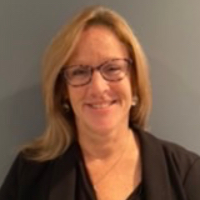
Hello! Welcome to BetterHelp Community. I am a Licensed Clinical Social Worker for over 18 years. I earned a Masters...
18 years experience New Jersey

I am licensed in Florida with 45 years of professional work experience. I have experience in helping clients with stress...
53 years experience Florida

I am credentialed in the UK with 5 years of professional work experience. I have experience in helping clients with...
7 years experience United Kingdom

I am licensed in Maine with 30 years of professional work experience. I have experience in helping clients with stress,...
30 years experience Maine

I have been a therapist for over 10 years. My full time day therapist position involves working with troubled women...
10 years experience Oklahoma

I am licensed in Colorado with 30 years of professional work experience. I have experience in helping clients with stress...
29 years experience Colorado

I am an individual, family and couples therapist licensed in Maryland with over 18 years of experience working as psychotherapist....
20 years experience Maryland

I have been in the field of therapy and safeguarding for many years and have worked with clients experiencing a...
5 years experience United Kingdom

Life brings many challenges; every day can be a burden if you do not yet possess the tools you need...
5 years experience Florida

My approach to therapy follows a simple format delivered with the utmost respect and enthusiasm. I must earn your trust....
35 years experience Texas

I am fully trained and registered in the United Kingdom with many years of professional work experience helping clients to...
8 years experience United Kingdom

I am licensed in Pennsylvania with 5 years of professional work experience. I have experience in helping clients with stress,...
7 years experience Pennsylvania

I am credentialed in the UK with 3 years of professional work experience. I have experience in helping clients with...
3 years experience United Kingdom
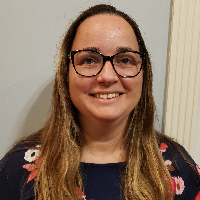
My name is Natalie Baker, I use she/they pronouns. I am a licensed Professional Counselor of Mental Health in the...
18 years experience New Jersey

As a counselor and an artist, I enjoy helping others - youth, adults, and families - solve challenges and improve...
10 years experience Texas

I am licensed in California with 30 years of professional work experience. I believe in treating everyone with respect, sensitivity,...
30 years experience California
Dissociation can feel confusing and isolating. If you find yourself feeling detached from your body, memory gaps, or a sense that the world is unreal, therapy may help you understand and manage those experiences. This page explains what dissociation can look like, how online therapy can support recovery, and practical steps for finding a therapist who specializes in dissociation and trauma-related care.
Dissociation is a way the mind copes with overwhelming stress or trauma by separating thoughts, memories, feelings, or a sense of identity from ordinary awareness. It ranges from common experiences – like zoning out during a boring meeting or losing a few minutes while driving – to more persistent or severe forms that interfere with daily life.
People may describe dissociation as feeling disconnected from their body, as if watching themselves from outside, or experiencing blank spots in memory. For some, dissociation is a response to past abuse, neglect, or repeated trauma. For others, it can appear in the context of extreme stress, panic attacks, or certain medical conditions. A trained mental health professional can help clarify what dissociation means in your specific situation and recommend appropriate supports.
Many people seeking help for dissociation worry about safety, memory gaps, or unpredictable emotions. You might be concerned about losing time at work or in relationships because of dissociative episodes. You may feel ashamed or afraid to tell others for fear of being misunderstood or dismissed.
Some people notice dissociation during or after incidents of interpersonal violence, childhood trauma, medical procedures, or prolonged high-stress periods. Others experience dissociation alongside anxiety, depression, PTSD, or substance use. A common need is learning grounding skills that help you reconnect with the present moment and reduce distress when dissociation starts.
Another common need is building a sense of continuity in memory and identity. Therapy often focuses on increasing safety, stabilizing symptoms, and developing coping tools before moving into deeper trauma processing when appropriate. If dissociation is affecting your ability to work, study, or care for yourself, a therapist can help you set realistic goals and strategies to improve daily functioning.
Online therapy offers a flexible and accessible way to start working on dissociation with a licensed professional. Virtual sessions make it easier to connect with therapists who have specific experience with dissociation or trauma, especially if such specialists are scarce in your local area. This broader access can be important for finding a therapist whose training and approach suit your needs.
Therapists who work online can teach grounding techniques, mindfulness practices, and stabilization skills that you can use in the moment when dissociation begins. They can guide you through pacing for trauma work, explain what to expect, and adapt therapeutic pacing to your comfort level. Many clinicians also provide supplementary tools – such as worksheets, recorded grounding exercises, or secure messaging – that you can use between sessions to reinforce learning.
Online therapy also allows you to practice skills in the environment where symptoms occur. If dissociation tends to happen at home, during certain daily activities, or when you encounter reminders of past trauma, virtual sessions let your therapist help you apply techniques in that same context. This real-world practice can speed up skill-building and help make coping strategies more usable day to day.
Online therapy increases convenience by removing travel time and allowing more flexible scheduling. That can reduce barriers to consistent attendance, which is important for progress. It often expands your pool of potential therapists, making it easier to find clinicians with specific expertise in dissociation, trauma, or dissociative disorders.
For some people, being in a familiar environment during sessions feels safer and reduces anxiety that might otherwise contribute to dissociation. Virtual therapy also supports continuity of care if you travel or move, because you can continue seeing the same therapist across locations.
That said, in-person therapy has advantages for some people, such as the option for face-to-face connection and certain therapeutic modalities that require office-based settings. The choice between online and in-person care depends on your needs, comfort, and practical circumstances. Many people find a hybrid approach helpful, switching between formats as needed.
Initial sessions typically focus on assessment and safety. Your therapist will ask about the nature and frequency of dissociative experiences, any history of trauma, current stressors, and how symptoms affect your daily life. They will also assess for risk factors such as suicidal thoughts or self-harm and work with you to create a safety plan if needed.
Early therapy often emphasizes stabilization. You can expect to learn grounding strategies, emotion regulation skills, and techniques to reduce the intensity of dissociation. Therapists may use approaches such as trauma-informed cognitive behavioral therapy (CBT), dialectical behavior therapy (DBT) skills, somatic awareness exercises, and phase-oriented trauma work. If deeper trauma processing is appropriate, your therapist will discuss timing, methods, and how to proceed safely.
Therapy is collaborative. Your pace and sense of safety guide decisions about when and how to address memories or identity-related concerns. Progress often includes improved ability to remain present, fewer or milder dissociative episodes, and better overall functioning. However, therapy does not promise complete elimination of symptoms and works best with consistent effort and good therapeutic fit.
Look for therapists who describe experience with dissociation, trauma, or dissociative disorders in their profiles. Training in trauma-informed care and specific modalities like EMDR, DBT, or somatic therapies can be useful, but the most important factors are competence, safety, and a collaborative approach.
Consider a therapist’s communication style and whether they convey warmth, validation, and a nonjudgmental stance. Ask potential therapists about their approach to stabilization, how they handle dissociative episodes in-session, and their experience working online. You can also inquire how they handle emergencies and what resources they provide between sessions.
Practical considerations include availability, session length, fees, and whether they accept your insurance or offer sliding-scale options. Many therapists offer a brief consultation call, which can help you assess fit before committing. Trust your instincts about whether the therapist makes you feel heard and safe.
Reaching out is often the hardest part, but seeking help is a strong, important step toward feeling more grounded and in control. Start by searching directories for therapists who list dissociation, trauma, or dissociative disorders in their specialties. Schedule a consultation to ask about experience, treatment approach, and how they work with dissociation online.
If you’re feeling overwhelmed, consider reaching out to a general mental health professional first to get immediate support and referrals to trauma specialists. Remember that building trust with a therapist takes time, and it is okay to try a few clinicians before you find the right match.
Support is available, and you do not have to manage dissociation alone. Finding a therapist who understands dissociation and offers flexible online care can help you learn skills to stay grounded, increase safety, and move toward greater stability in daily life.