
Debra Younger
Greetings, I am pleased and excited that you have decided to consider me as a possible partner in your journey...
13 years experience Missouri

You’ve taken an important step by seeking support, and you’re in the right place to connect with professionals for caregiver issues and stress. This directory is here to help you find compassionate care and steady support as you navigate challenging days.
Online sessions offer flexibility, privacy, and convenience to fit around your caregiving routine – making it easier to connect when you need it. Browse the listings below to explore profiles and choose someone who feels like a good fit for you.
Greetings, I am pleased and excited that you have decided to consider me as a possible partner in your journey...
13 years experience Missouri

I am licensed in South Carolina with 25 years of professional work experience. I have experience in helping clients with...
25 years experience South Carolina

As a licensed therapist in Maryland, I specialize in supporting individuals navigating complex emotional landscapes. My practice focuses on helping...
3 years experience Maryland

With 15 years of experience I am a highly skilled, knowledgeable and fully trained practitioner with an established background in...
16 years experience United Kingdom

I am licensed in Florida with 5 years of professional work experience. I have experience in helping clients with relationship...
5 years experience Florida

I am a individual counselor licensed in the great state of Minnesota. I have over 20 years of counseling experience...
3 years experience Minnesota

I am a mental health therapist licensed in Florida, South Carolina, North Carolina and Georgia with 20 years of experience....
15 years experience Florida

I am a mental health therapist licensed in Florida, South Carolina, North Carolina and Georgia with 20 years of experience....
15 years experience Florida

With over seven years’ experience in one-to-one adult counselling and therapy, I am a very well trained integrative therapist. I...
8 years experience United Kingdom

I hope as you read my profile, you will know that if you decide to work with me, I will...
31 years experience Nebraska

I have experience in helping clients with stress and anxiety, burnout and compassion fatigue, career difficulties, depression, relationship issues, coping...
21 years experience Florida

Hello. You’ve come to the right place! My goal is to help high achieving women of color who experience anxiety....
11 years experience Florida

I am licensed in Texas with 15 years of professional work experience. I work with my clients to create an...
15 years experience Texas

I am licensed in Tennessee, Kentucky and Virginia with over 9 years of professional work experience. I enjoy considering myself...
14 years experience Tennessee

I am licensed in Idaho with 9 years of professional work experience. I have experience in helping clients with stress...
10 years experience Idaho

I am licensed in California with 8 years of professional work experience as a Marriage and Family Therapist working with...
8 years experience California

Hello, and welcome. Taking the first step toward therapy takes courage, and I’m glad you’re here. I’m Denis, a BACP...
25 years experience United Kingdom

Hi, and welcome to the Better Help community! My name is Denise Muse, and I work as a Licensed Clinical...
20 years experience Tennessee

I hold a bachelor’s degree in Social Work and a master’s degree in Professional Counseling with licensure as a professional...
9 years experience Georgia

I am licensed in North Carolina with 9 years of professional work experience. I have experience in helping clients with...
9 years experience North Carolina

I am licensed in the UK with 7 years of professional work experience. I help clients with stress, anxiety, trauma,...
5 years experience United Kingdom

I am licensed in Florida with 22 years of professional work experience. I have experience in helping clients with stress...
25 years experience Florida

Welcome! I am a Licensed Professional Counselor with 10 years of experience in a clinical setting. My goal is to...
9 years experience Louisiana

I am licensed in New York with 40 years of professional work experience. I have experience in helping clients with...
40 years experience New York

I am credentialed in Australia with 30 years of professional work experience. I have experience in helping clients with stress...
34 years experience Australia

I am licensed in New York with 9 years of professional work experience. I have experience in helping clients with...
9 years experience New York

I am licensed in Ohio with 25 years of professional work experience. I have experience in helping clients with stress,...
25 years experience Ohio

As a licensed therapist in Tennessee, Washington State, Virginia and Connecticut, I specialize in supporting individuals through life’s complex emotional...
15 years experience Tennessee

I am licensed in California and Oklahoma with 23 years of professional work experience. I have experience in helping clients...
22 years experience California

Starting therapy is a brave step and understanding your own story can be tough, but it’s worth it. My goal...
15 years experience Michigan

As a licensed therapist in Missouri, I bring a decade of compassionate, client-centered experience supporting individuals through life’s complex challenges....
10 years experience Missouri

It is not easy to reach out for help --but you are here-- and that is a powerful first step....
5 years experience Florida

I am a Licensed Clinical Social Worker with over 20 years of direct mental health therapy experience working with a...
18 years experience Mississippi

I am a Licensed Clinical Social Worker and have been licensed since 1993; however, I’ve worked in the field of...
34 years experience North Carolina

Deciding to start counselling can be daunting, but with me you’ll be safe. I’ll walk with you on your journey...
6 years experience United Kingdom

My name is Denise Richardson. I live between the UK and Italy. I hold a Bachelors in Psychology and a...
20 years experience United Kingdom

As a licensed therapist in Illinois, I specialize in supporting individuals navigating complex emotional landscapes. My approach centers on compassionate,...
5 years experience Illinois

Hi, I’m a licensed therapist based in Nevada, and I help people navigate life’s messier moments with compassion and curiosity....
10 years experience Nevada

I am a Licensed Clinical Social Worker (LCSW) in Florida and Louisiana with 3 years of professional work experience with...
4 years experience Florida
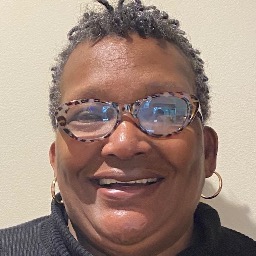
I am a trained and certified geriatric therapist with over 10 years experience in depression, anxiety, caregiving and navigating life...
10 years experience Michigan
Being a caregiver – whether you are caring for an aging parent, a partner with chronic illness, a child with special needs, or a friend recovering from injury – can be deeply meaningful and deeply stressful. Therapy for caregiver issues and stress focuses on the emotional, practical, and relational challenges that come with sustained caregiving. Working with a therapist can help you manage burnout, reduce guilt, improve communication with health providers and family, and build a sustainable routine that protects both your loved one and your own wellbeing.
Caregiver stress can show up in many ways. You might feel exhausted, overwhelmed, anxious, or depressed. You may struggle with sleep disturbances, difficulty concentrating, or physical symptoms like headaches and muscle tension. Emotional experiences such as grief over changes in a loved one, frustration with the health system, and persistent guilt about not doing enough are common.
Caregiving often brings practical stressors too. Managing medications, medical appointments, insurance, and daily care tasks can be time-consuming. You may face financial strain from reduced work hours or increased expenses. Relationships can become strained when family members disagree about care decisions. Isolation is common if caregiving reduces time for friends, hobbies, or self-care.
Specific caregiving situations come with unique needs. Caring for someone with dementia often involves grief for the person’s identity and safety concerns. Supporting someone with a chronic mental illness can require boundary setting and crisis planning. Parents of children with special needs may need targeted behavioral strategies as well as long-term advocacy support. A therapist who understands the nuances of these different roles can offer tailored guidance.
Online therapy makes access to emotional support more realistic for caregivers whose time and mobility are limited. Video, phone, and secure messaging sessions allow you to meet with a therapist from home, a break room, or your car between appointments, removing travel time and scheduling friction.
Therapists experienced in caregiver issues can teach coping skills to reduce anxiety and prevent burnout, including stress-management techniques, guided problem solving, and strategies for sleep and self-care. They can help you rebuild social connections and identify community resources, such as respite services and support groups. They can also assist with communication and conflict resolution when family members disagree about care.
For many caregivers, online therapy also reduces stigma and makes it easier to be honest about guilt, frustration, or thoughts of resentment that can feel shameful. The physical distance of a virtual session can create a safe space to process difficult emotions while still receiving practical, skill-based interventions.
Online therapy offers flexibility that aligns well with caregiver schedules. You can often book sessions outside typical business hours, and cancelations or schedule changes are easier when you don’t have to account for commute time. This flexibility supports continuity of care during unpredictable caregiving demands.
Accessibility is another advantage. If your caregiving role limits your ability to leave home or if you live far from specialized providers, online therapy broadens your options and helps you find therapists with specific experience in caregiver stress who might not be local.
Online sessions can also be more affordable in some cases, since providers may offer a wider range of fee options and you save on transportation. Privacy can feel enhanced too, because you participate from a private space you control rather than a clinic waiting room.
That said, in-person therapy remains a good option for some. Exams and certain family meetings may benefit from face-to-face presence, and clinicians can offer different interventions in person. If needed, you can combine online and in-person care to fit your situation.
Your first online session typically includes an intake conversation where the therapist asks about your caregiving role, stressors, emotional history, and immediate concerns. Together you’ll set goals, which might include reducing anxiety, improving sleep, setting boundaries, or creating a crisis plan.
Subsequent sessions often combine supportive listening with practical skills. You may learn stress reduction techniques such as relaxation exercises and mindfulness, communication tools for difficult conversations with family or healthcare providers, and problem-solving methods to manage daily logistics. Therapists may help you develop a self-care plan that fits your schedule and resources, and provide referrals to community services for respite, legal planning, or medical advocacy.
Formats vary. Some therapists use video sessions for real-time interaction, phone sessions when video is harder, and secure messaging for check-ins or between-session support. Frequency ranges from weekly to biweekly or monthly, depending on your needs and availability. Progress is measured by your ability to carry out daily tasks with less distress, improved sleep or mood, better family communication, and sustained self-care routines.
Confidentiality and technology requirements are important. Most providers use secure telehealth platforms and will explain privacy policies during intake. You’ll need a stable internet connection for video, a private space for sessions, and a device with a camera and microphone if you choose video therapy.
When looking for a therapist, prioritize clinicians who list caregiver stress, family caregiving, or relevant medical conditions (dementia, chronic illness, disability) among their specialties. Therapists with backgrounds in grief counseling, family systems, cognitive-behavioral therapy (CBT), acceptance and commitment therapy (ACT), or trauma-informed care often have useful skills for caregivers.
Consider practical fit as well. Look for a therapist with availability that matches your schedule, experience working with your particular caregiving situation, and a communication style you find comfortable. If cultural competence or language match matters to you, include that in your search. Don’t hesitate to send a message or request a brief consultation to ask about their experience with caregiver burnout, crisis planning, and coordination with medical teams.
Ask potential therapists about their approach to boundary setting, steps they take to support caregiver self-care, and whether they can provide or recommend community resources. If cost is a concern, inquire about sliding-scale fees or payment options. Because this is a directory, use search filters to narrow by specialty, availability, and therapy approach, and compare profiles to find clinicians who fit your needs.
Asking for help is a strong and practical choice when caregiving feels overwhelming. Start small: search this directory for therapists who specialize in caregiver stress, send a brief message to two or three clinicians to ask about availability, and schedule an initial consultation. Prepare a short list of current stressors, your caregiving responsibilities, and what you hope to change so you can make the most of the first session.
Remember that therapy is a partnership. It’s okay to try a few providers until you find someone who understands your situation and offers practical tools that fit your life. Seeking support can reduce stress, improve your quality of care for your loved one, and help you preserve your own health and relationships. You don’t have to manage caregiving challenges alone.