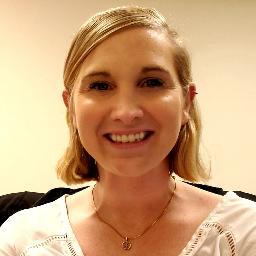
Shannon (Katie) Roghaar
Trauma-informed care for recovery and growth
Start with Shannon (Katie) RoghaarLicensed · Professional · Cancel Anytime

Trauma-informed care for recovery and growth
Start with Shannon (Katie) RoghaarLicensed · Professional · Cancel Anytime
Shannon (Katie) Roghaar (she/her) is a licensed clinical social worker in Utah who blends trauma-informed approaches with practical skills to support people through recovery and life transitions. She has worked in the medical and mental health field for 12 years, including six years focused specifically on substance use disorders, and she has five years of experience providing therapy.
Katie holds undergraduate degrees in neuroscience from the University of Nevada, Reno and in human development and family studies from the University of Utah, and she completed a master’s degree in social work in 2019. During her training she specialized in Feminist Multicultural Therapy, a trauma-informed model that informs her client-centered approach while allowing her to draw on techniques from Acceptance and Commitment Therapy (ACT), Cognitive Behavioral Therapy (CBT), Motivational Interviewing (MI), and various mindfulness practices.
She has extensive experience supporting survivors of sexual assault as a trained sexual assault advocate and has worked with people experiencing substance use issues, PTSD, anxiety, depression, relationship difficulties, grief, career stress, and compassion fatigue. Katie has provided care to medical professionals, students, young adults, first responders, many female-identifying individuals, and members of the LGBTQ+ community.
She values witnessing client growth and healing and brings a compassionate, client-focused presence to therapy. Katie encourages anyone taking steps toward change to recognize the courage in seeking support and is committed to partnering in that work.
For many common concerns - including stress, anxiety, depression, relationship challenges, and adjusting to life changes - online therapy has been shown to offer effectiveness comparable to traditional in-person care. It can be an effective option for people seeking support for these kinds of issues.
One clear benefit is flexibility. People can connect with a therapist in the format that suits them best - video calls, phone sessions, live chat, or in-app messaging - which makes it easier to integrate therapy into a busy schedule.
All therapists are licensed professionals, and clients have the option to change therapists if they want a different style or fit. This approach makes ongoing care adaptable to each person’s preferences and needs.