
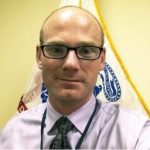
Holistic Jungian therapist specializing in trauma and relationships
I strive to take the stigma, fear, and jargon out of addressing your mental health needs. Helping others is my passion and I am grateful you have the courage to reach out for help. My goal is to empower you to process your emotions, view your thoughts and actions in a more productive manner, and have fulfilling relationships. Let’s focus on your strengths not your problems/concerns. Finding a therapist you trust and “click with” is critical, not all therapists are right for you. Take your time and ask questions. Therapy must be tailored to you!
I am a licensed clinical professional counselor and certified rehabilitation counselor with 12 years of experience as a hospital-based outpatient counselor (rehabilitation, mental health, substance use). I have a broader strengths-focused perspective on chronic disability and related systems/processes.
I have helped individuals adapt to new disability (i.e. serious mental health, multiple sclerosis), adjust to many life struggles and circumstances (i.e. anxiety, divorce), cope with serious mental illness (i.e. schizophrenia), maintain substance use recovery, and generally work toward optimal life functioning (i.e. improved relationships and school/work accomplishment).
I use client-centered and top-down Cognitive Behavioral Therapy and Solutions-Focused Brief Therapy with motivational enhancement and positive psychology/mindfulness techniques. I’m trained in Gottman Method for marriage relationship counseling. I am training to become more experienced in bottom-up techniques to better support clients with trauma (such as somatic experiencing)
I am married with a blended family with 4 children, one child on the autism spectrum. I am a 24 year Veteran of the U.S. Army and well versed in military/veterans culture and VA healthcare.
Licensed · Professional · Cancel Anytime
Russell Silver removes stigma, fear, and clinical jargon to make mental health care approachable and practical. He is passionate about helping others and values the courage it takes to seek support. His goal is to empower people to process emotions, understand how thoughts and actions influence behavior, and build more fulfilling relationships while emphasizing strengths rather than focusing only on problems.
He is a licensed clinical professional counselor in Illinois – holding LCPC license number 180.014313 – and is also a certified rehabilitation counselor. Over 12 years he worked as a hospital-based outpatient counselor in rehabilitation, mental health, and substance use settings, which contributes to a strengths-focused perspective on chronic disability and related systems and processes.
Russell has supported people adjusting to new disabilities such as serious mental health conditions and multiple sclerosis, navigating life challenges like anxiety and divorce, coping with serious mental illness including schizophrenia, maintaining substance use recovery, and working toward improved relationships and academic or workplace functioning.
His clinical approach blends client-centered care with top-down cognitive behavioral therapy and Solutions-Focused Brief Therapy, along with motivational enhancement and positive psychology and mindfulness techniques. He is trained in the Gottman Method for marriage counseling and is pursuing greater skill in bottom-up trauma approaches – such as somatic experiencing – to broaden support for clients with trauma histories.
Russell is based in Illinois and brings personal experience as a married professional in a blended family with four children, one of whom is on the autism spectrum. He is also a 24-year U.S. Army veteran and is knowledgeable about military and veterans culture as well as VA healthcare systems. He works with concerns including relationship issues, self-esteem, career difficulties, coping with life changes, coaching, stress and anxiety, addictions, family conflicts, intimacy-related issues, and parenting challenges.
Many people wonder whether remote therapy can truly help. For a range of common concerns – including stress, anxiety, depression, relationship difficulties, and navigating life transitions – online therapy has been shown to be comparable in effectiveness to traditional in-person sessions.
A major benefit is flexibility. Individuals can connect in the format that suits them best – video calls, phone sessions, live chat, or in-app messaging – which often makes it easier to integrate therapy into a busy schedule.
Therapists who provide online services are licensed professionals, and clients have the option to change therapists if they want a different fit. This adaptability can make online therapy a practical and effective route for many people’s mental health needs.
© All rights reserved.