
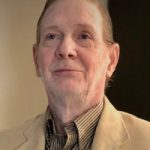
Holistic Jungian therapist specializing in trauma and relationships
My belief and approach to therapy begins with the idea that humans are generally self- correcting. This follows the teaching of both Carl Jung and Milton Erickson. We can get stuck for a variety of reasons and if able to get past that point, it can lead to us moving in a healthier direction. I believe that our value systems are extremely important to finding direction and solutions. I have studied comparative religions and cultures to be able to understand and work with a wide variety of people. I have worked in many different settings with a wide range of cultures and values.
Currently my greatest strength is in working with individuals and couples. I started my career by creating and running an outpatient clinic as part of a runaway and homeless youth shelter. I did this for my first 18 years. We provided case management, individual and family therapy to youth and their families. We did this both in the shelter and in the community. My personal approach includes brief family therapy, problem solving therapy, structural and strategic systems theory, hypnotherapy, cognitive behavioral, communication theory and addiction therapies. I trained and supervised paid staff and graduate students. I worked in conjunction with a local university to conduct research which enabled us to improve our working therapy model and process. During this time, I completed 29 hours towards a PH. D in family therapy. I was offered a fellowship with Washington University’s Ph. D program. I worked part time for New Life Christian Counseling, an outpatient therapy group, providing professional Christian therapy. I then worked 18 years for managed care helping members utilize their mental health benefits, providing phone therapy and crisis intervention. My other experiences were in outpatient office settings.
Licensed · Professional · Cancel Anytime
Patrick Shanahan approaches therapy from the belief that people are generally self-correcting, a perspective informed by the teachings of Carl Jung and Milton Erickson. He views getting stuck as a common part of life that, when addressed, can open the way to healthier patterns. Core to his work is an emphasis on clients’ value systems as a guide to finding direction and solutions.
He has studied comparative religions and cultures to better understand and work with a wide variety of people, and he has practiced in many different settings with diverse cultural perspectives and value systems. Currently his greatest clinical strength is in working with individuals and couples.
Shanahan began his career by creating and running an outpatient clinic connected to a runaway and homeless youth shelter, a role he held for his first 18 years in practice. In that work he provided case management along with individual and family therapy to youth and their families, delivering services both within the shelter and out in the community.
His therapeutic approach draws from a range of models, including brief family therapy, problem-solving therapy, structural and strategic systems theory, hypnotherapy, cognitive behavioral methods, communication theory, and addiction therapies. He has experience training and supervising paid staff and graduate students.
While working clinically, Shanahan collaborated with a local university on research that helped refine the clinic’s therapy model and processes. He completed 29 hours toward a Ph.D. in family therapy and was offered a fellowship with Washington University’s Ph.D. program. He also worked part time for New Life Christian Counseling, providing professional Christian therapy.
Following those roles, he spent 18 years in managed care assisting members with the use of their mental health benefits and providing phone-based therapy and crisis intervention. His background also includes additional experience in outpatient office settings. He is a Missouri-licensed clinical social worker (LCSW number 000602) and brings 44 years of clinical experience to his practice.
Many people ask whether therapy conducted online can produce meaningful results. For common concerns such as stress, anxiety, depression, relationship difficulties, and navigating life changes, online therapy has been shown to be comparable in effectiveness to traditional in-person sessions.
One major advantage is flexibility – clients can choose the format that fits their needs, including video calls, phone sessions, live chat, or in-app messaging. This adaptability often makes it easier to include therapy in a busy schedule.
Licensed professionals provide online counseling, and if someone feels a different therapeutic fit would be better, it is possible to change therapists. For many individuals, online therapy offers an accessible and effective way to address everyday mental health concerns.
© All rights reserved.