
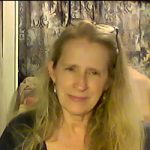
Holistic Jungian therapist specializing in trauma and relationships
I hold a master’s degree in counseling from Appalachian State University (Boone, NC 1989) and an advanced certificate in expressive arts therapy from the European Graduate School of Expressive Arts Therapy (Leuk-Stadt, Switzerland, 1999). I have been working in the field of counseling for 31 years. During that time, I have worked as a counselor in multiple educational settings such as public school, community college, university – as well as in community settings such as mental health, private practice and wilderness therapy.
My methods are strength-based and concentrate on building upon existing strengths and discovering new resources. My therapeutic approach is client-centered and individualized. I believe that therapy is a collaborative process. I see myself as a resource and support and a sounding board. I will work together with you to identify and learn skills for coping with and expressing emotions, practicing self-care, problem-solving, decision-making, planning and pursuing new life directions. I use counseling skills to encourage sharing and to process therapy experiences. I often use cognitive and/or cognitive-behavioral techniques in problem-solving and goal-setting. However, sensory experience can be a great complement to understanding/insight, so at times we might use a combination of talk therapy and non-talk techniques such as mindfulness, expressive arts, body centered techniques, or Gestalt approaches, etc.
My primary areas of expertise are in the areas of anxiety/depression/anger management, grief and loss, processing past and recent trauma, current life events, and developmental life transitions such as blending of families, deaths, divorces, relationship issues, moving, career changes, etc. I have a strong background of experience and skills in the areas of outdoor education, experiential education, and expressive arts therapy. I believe that humans have endless capacity for change and positive growth -and that many situations can be improved through a combination of self-reflection and increased self-awareness, information, self-care, and supportive collaboration.
Licensed · Professional · Cancel Anytime
Terri Chester holds a master’s degree in counseling from Appalachian State University in Boone, North Carolina, earned in 1989, and completed an advanced certificate in expressive arts therapy at the European Graduate School of Expressive Arts Therapy in Leuk-Stadt, Switzerland, in 1999. She has worked in counseling for 31 years across a range of settings, including public schools, community colleges, university environments, community mental health, private practice, and wilderness therapy.
Her practice is built on a strength-based, client-centered approach that is tailored to each individual. She treats therapy as a collaborative process, positioning herself as a resource, support, and sounding board while helping clients identify and develop skills for expressing emotions, practicing self-care, solving problems, making decisions, and pursuing new life directions. Terri frequently applies cognitive and cognitive-behavioral techniques for problem-solving and goal-setting, and she also integrates non-talk methods when helpful, such as mindfulness, expressive arts, body-centered techniques, and Gestalt approaches.
Terri’s primary areas of expertise include anxiety, depression, anger management, grief and loss, processing past and recent trauma, current life events, and developmental transitions like blending families, bereavement, divorce, relationship challenges, moving, and career changes. She brings a strong background in outdoor education, experiential learning, and expressive arts therapy to her work, and she is a licensed clinical mental health counselor in North Carolina. Terri believes people have great capacity for change and positive growth, and that self-reflection, increased self-awareness, practical information, self-care, and supportive collaboration can improve many situations.
Many people wonder whether virtual counseling can really help. For common concerns such as stress, anxiety, depression, relationship challenges, and navigating life changes, online therapy has been shown to be as effective as traditional in-person sessions for most individuals.
One major benefit is flexibility – clients can connect in the way that suits them best, choosing video calls, phone sessions, live chat, or in-app messaging. This variety makes it easier to integrate therapy into a busy schedule and to keep continuity of care when life changes make in-person visits difficult.
All participating therapists are licensed professionals, and clients have the option to change therapists at any time if they want a different therapeutic fit. For many people seeking help with everyday mental health concerns, online therapy offers an accessible and effective path to support.
© All rights reserved.