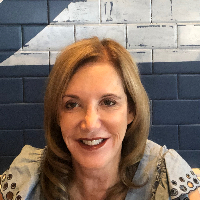
Susan Charney
Direct, solution-focused therapy for relationships
Start with Susan CharneyLicensed · Professional · Cancel Anytime

Direct, solution-focused therapy for relationships
Start with Susan CharneyLicensed · Professional · Cancel Anytime
Susan Charney is a licensed clinical social worker in Arizona, holding the LCSW credential (license LCSW-2300) and bringing 26 years of clinical experience to her practice.
She emphasizes honest appraisal and guided self-reflection as tools for confronting problems directly. A native New Yorker, she prefers solution-oriented, goal-focused work and is a diplomat in cognitive behavioral therapy, offering a direct style and practical options to help people consider different perspectives.
Her general practice centers on couples, families, and blended families. She offers multiple alternatives to present thoughts so clients can decide what fits for them. That process often supports insight and change within the individual and alters how they respond to a significant other or a family member living with them. In co-parenting situations during separation she focuses on ways to move beyond the old relationship while maintaining support for the child(ren).
She is CISD and trauma trained, and her background includes work at the hospital in Landstahl, Germany with injured soldiers and their families. She also had the privilege of working at ground zero with employees of a financial company on the anniversary of 9/11. More recently she has been working with many frontline workers affected by the pandemic and with people impacted by the war in Israel.
Appointment lengths vary by day: Monday through Thursday sessions are 45 minutes, Friday sessions are 30 minutes, and Wednesday appointments are available only in the afternoon. In general, most sessions are 45 minutes in length.
Many people ask whether online therapy can really help. For common concerns such as stress, anxiety, depression, relationship challenges, or managing life changes, online therapy has been shown to be as effective as traditional in-person therapy for most people.
One major benefit is flexibility - clients can meet with a therapist in the format that fits their life, whether by video call, phone session, live chat, or in-app messaging. That flexibility makes it easier to attend regular sessions and sustain therapeutic progress.
Therapists who provide online services are licensed professionals, and if a different fit is desired it is possible to switch to another therapist. For many people, online therapy offers an accessible way to get consistent support for everyday mental health and relationship concerns.