
Megan Reedy-McGovern
I am licensed in Illinois with over 15 years of professional work experience. I have extensive experience helping clients with...
15 years experience Illinois

Mood Disorders can feel overwhelming, and choosing to seek support is a strong step – you’re in the right place to connect with therapists who understand what you’re facing.
Online sessions offer flexibility, privacy, and convenience to meet you where you are – please browse the listings below to explore professionals available to support your next steps.
I am licensed in Illinois with over 15 years of professional work experience. I have extensive experience helping clients with...
15 years experience Illinois

I am licensed in Florida and New York State with 10 years of professional work experience in mental health. I...
10 years experience Florida

I am licensed in Massachusetts with 8 years of professional work experience. I have experience in helping clients with stress...
9 years experience Massachusetts

I am licensed in Arizona and Kentucky with 8 years of professional work experience. I have experience in helping clients...
8 years experience Arizona

I am a qualified and experienced counsellor with a Masters degree in person-centred counselling from Chester University, UK. I also...
7 years experience United Kingdom

I am licensed in California with 33 years of professional work experience. I have experience in helping clients with stress,...
33 years experience California

Hello! I am a Licensed Clinical Social Worker in Louisiana and Minnesota with 7 years of professional work experience. I...
7 years experience Minnesota

Hello! I’m so glad you’re here. My name is Megan Vaccaro and I am a Licensed Master Social Worker from,...
20 years experience Michigan

I am licensed in Delaware and Maryland with 5 years of professional work experience. I have experience in helping clients...
5 years experience Delaware

I am an LPC that has been working in some capacity in the mental health field for about 8 years...
10 years experience Louisiana

I am a Licensed Clinical Social Worker currently practicing in Oklahoma. I have a colorful past that gives me insight...
7 years experience Oklahoma

Hi, I am Meghan and am a Licensed Clinical Social Worker licensed in Arkansas, Arizona, Colorado, Hawaii, and Texas with...
9 years experience Colorado

I am a Clinical Social Worker, licensed in California and Alabama and I have been practicing Social Work for seven...
8 years experience Alabama

As a licensed therapist in Michigan, I specialize in supporting individuals navigating complex emotional landscapes. My professional approach centers on...
6 years experience Michigan

I work with my clients to create an open and safe environment where thoughts and feelings can be shared without...
18 years experience Wisconsin

I am currently licensed in both Illinois and Iowa with 21 years of professional work experience, working with individuals of...
21 years experience Illinois

I am licensed in Pennsylvania with 10 years of professional work experience. I have experience in helping clients with stress...
10 years experience Pennsylvania

I am licensed in New York with 15 years of professional work experience. I have experience in helping clients with...
10 years experience New York

Fundamentally I believe that everyone is doing the best that they can, with the caveat we can all work towards...
11 years experience New York

Your Mental Health Matters, my goal is to be your guide, confidante and empathetic listening ear while you figure out...
12 years experience California

Your Mental Health Matters, my goal is to be your guide, confidante and empathetic listening ear while you figure out...
12 years experience California

Hello, I am a Licensed Clinical Social Worker in Texas, California, Oregon, and Washington. I have been working with patients...
10 years experience Texas

I believe in a person’s ability to develop and grow, become autonomous and authentic. I utilize different techniques and approaches...
5 years experience New Jersey

I am a Licensed Clinical Social Worker, licensed in Tennessee, w/ almost 15 years of experience. I have worked with...
15 years experience Tennessee

I am accredited in the UK with 3 years of professional work experience. I have experience in helping clients with...
3 years experience United Kingdom

I am credentialed in Australia with 10 years of professional work experience. Whether you’re feeling overwhelmed, struggling with anxiety, depression,...
10 years experience Australia

Hello, my name is Mei Yan, a psychological counselor. I graduated from MSc in Counseling and MSc in Applied Psychology...
3 years experience United Kingdom

Hello and thank you for visiting my profile! I am a Licensed Professional Counselor in the state of South Carolina...
15 years experience Georgia

I am a licensed therapist in Texas with 4 years of professional work experience. I have experience in helping clients...
4 years experience Texas

My name is Melandi Murrell, MA, LMHC, LPC, LCMHC. I am a Licensed Mental Health Counselor in the state of...
6 years experience South Carolina

Thank you for stopping here and considering my profile. The first step to seeking a more fulfilling and happier life...
3 years experience United Kingdom

Hello. If you are looking at therapist profiles it is likely that you are coping with something significant in your...
25 years experience Missouri
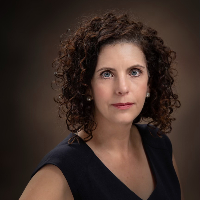
I am a licensed mental health counselor in Florida with over 15 years of experience. I have worked with clients...
15 years experience Florida

I am a Licensed Clinical Mental Health Counselor licensed in the state of NC with over 7 years of experience...
9 years experience North Carolina

I am credentialed in the UK with 3 years of professional work experience. I have experience in helping clients with...
3 years experience United Kingdom

I am licensed in the state of Ohio to independently practice counseling, and I have training in three different evidence...
6 years experience Ohio

I imagine that if you are here, you are tired of feeling this way. You may be stuck and unsure...
12 years experience California

Hello! It is my pleasure to begin this therapeutic journey with you. I am licensed in the State of New...
15 years experience New York

Hi! My name is Melanie. I am a Licensed Mental Health Counselor. I received my Bachelor’s Degree in Neuroscience at...
4 years experience New York

I am licensed in Texas with 4 years of professional work experience. I have experience in helping clients with stress,...
4 years experience Texas
Mood disorders, such as major depressive disorder, bipolar disorder, and persistent depressive disorder, affect how people feel, think, and function day to day. If you are searching for relief, guidance, or a way to better manage mood symptoms, finding a therapist who understands mood disorders can help. Online therapy makes it easier to connect with clinicians who specialize in mood regulation, depression, and bipolar care from the comfort of your home.
Mood disorders are a group of mental health conditions characterized by significant changes in mood that persist over time and impact daily life. Symptoms can range from prolonged sadness, loss of interest, and hopelessness to episodes of elevated energy, racing thoughts, and impulsivity. Mood symptoms may affect sleep, appetite, concentration, relationships, and work or school performance.
Common types of mood disorders include major depressive disorder, bipolar I and II disorders, cyclothymic disorder, and persistent depressive disorder. Each person’s experience is unique. Some people have episodic mood changes with distinct periods of wellness between episodes. Others live with more chronic mood fluctuations that continue at lower intensity for years.
People seek therapy for mood disorders for many reasons. You might be struggling with prolonged low mood, lack of motivation, difficulty getting out of bed, or persistent anxious and negative thoughts. You might experience intense mood swings that strain relationships and make planning difficult. You might be worried about how mood symptoms affect parenting, work performance, or physical health.
Many people also want help with practical coping tools: strategies to manage depressive episodes, techniques for regulating mood during manic or hypomanic periods, and plans to reduce relapse risk. Others prioritize learning communication skills for strained relationships, developing healthy sleep and routine habits, or coordinating care with medical providers when medication is part of treatment.
Online therapy offers access to licensed clinicians who specialize in mood disorders through secure video, phone, or messaging. This access can be especially helpful if you live in an area with few mental health providers, have mobility or transportation barriers, or need flexible scheduling around work or caregiving responsibilities.
Therapists trained in evidence-informed approaches, such as cognitive-behavioral therapy (CBT), interpersonal therapy (IPT), dialectical behavior therapy (DBT), and mood-focused psychotherapies, can help you identify patterns that maintain low mood or trigger mood swings. They can teach skills for mood monitoring, thought reframing, activity scheduling, emotional regulation, and problem solving. When medication is being used or considered, online therapists can collaborate with prescribers or help you find an appropriate psychiatric clinician.
Online therapy offers several advantages while still providing many of the benefits of face-to-face care. Convenience is a major benefit – you can attend sessions from home, during a break at work, or while traveling, reducing time spent commuting and making it easier to maintain consistent care.
Online care can expand your choices when looking for a specialist. You can search for therapists who specifically list mood disorders, depression, or bipolar care as specialties, increasing the likelihood of finding a clinician whose approach and experience match your needs. This broader pool can also make it easier to find a therapist who fits your cultural background, language, or treatment preferences.
Some people find it easier to open up from a familiar environment, which can enhance engagement in therapy. For those with social anxiety, agoraphobia, limited mobility, or caregiving responsibilities, online sessions remove common barriers to accessing support. Privacy and continuity of care are maintained through secure platforms and flexible session formats.
That said, in-person therapy has strengths too, such as face-to-face connection and certain therapeutic modalities that are best suited to an office setting. Online therapy can complement or replace in-person care depending on your preferences and clinical needs.
Initial sessions typically focus on assessment. A therapist will ask about your mood history, current symptoms, medical and medication history, stressors, supports, and goals for therapy. They will work with you to develop a treatment plan tailored to your needs and may use standardized measures to track mood over time.
Treatment often includes skill-building and behavioral strategies. For depression, this may mean activity scheduling, sleep hygiene, and cognitive restructuring. For bipolar disorder, therapy emphasizes mood tracking, early warning signs, routine stabilization, and strategies to prevent mania or depression from escalating. Sessions can include homework between appointments to practice new skills in daily life.
Therapy duration varies. Some people benefit from short-term, goal-focused work; others engage in longer-term therapy to address complex or chronic patterns. Your therapist should discuss expected course of treatment, ways to measure progress, and options if symptoms change, including referrals to a psychiatrist if medication management is needed.
Look for licensed mental health professionals who list mood disorders, depression, or bipolar disorder as specialties. Pay attention to their treatment approaches – many clinicians use CBT, DBT, IPT, or mood-stabilizing therapies that have research support for mood conditions. Consider whether you prefer a therapist with experience in medication coordination or with specific populations, such as teens, older adults, or LGBTQ+ clients.
Read therapist profiles to learn about their training, years of experience, and therapeutic style. Consider practical factors like availability, session format (video, phone, messaging), insurance or payment options, and whether they offer evening or weekend appointments. Trust your instincts about fit – a strong therapeutic relationship is a key factor in successful outcomes.
If you’re not sure, many therapists offer a brief consultation or intake session to help you decide if they feel like the right match. It’s okay to try a few clinicians before settling on one who feels comfortable and effective for you.
Reaching out for help is a meaningful step toward feeling better. If you are experiencing low mood, intense mood swings, or difficulty coping, finding a therapist who understands mood disorders can provide support, skills, and a plan for managing symptoms. Use an online directory to search for clinicians who specialize in mood disorders, check their credentials and approaches, and schedule a consultation to see if they’re a good match.
If you are in crisis or thinking about harming yourself, contact local emergency services or a crisis line right away. For ongoing concerns, starting therapy can feel daunting, but many people find that consistent, focused work with a therapist makes day-to-day life more manageable and improves long-term resilience. You do not have to navigate mood symptoms alone – help is available, and the first step is simply reaching out.