
Virginia Morris
I am (Virginia) Clare Morris, a Licensed Clinical Social Worker with over 20 years of experience working with youth, young...
10 years experience Pennsylvania

You’ve taken an important step by seeking support, and you’re in the right place to connect with therapists for first responder issues.
Online therapy offers flexibility, privacy, and convenience so you can meet with experienced clinicians when it fits your schedule. Browse the listings below to explore options and choose a provider who feels right for you.
I am (Virginia) Clare Morris, a Licensed Clinical Social Worker with over 20 years of experience working with youth, young...
10 years experience Pennsylvania

I am licensed in New York with 47 years of professional work experience. I have experience in helping clients with...
47 years experience New York

I am licensed in Michigan with 35 years of professional counseling experience. My experience includes helping clients with LBGT-related issues....
35 years experience Michigan

I am a licensed UK therapist with over 11 years of professional work experience. I have experience helping clients who...
11 years experience United Kingdom

I am licensed in California with 7 years of professional work experience. I have experience in helping clients with stress...
7 years experience California

As a licensed therapist in Tennessee, I bring over three decades of compassionate clinical experience supporting individuals through life’s most...
35 years experience Tennessee

I have over 25 years of experience working within agencies such as Relate, and the National Health Service. I also...
30 years experience United Kingdom

I am licensed in New York State with 14 years of professional work experience. I have experience in helping clients...
14 years experience New York

A life of eudaemonia is attainable to all. Eudaemonia is a noun of Greek origin that translates into ‘human flourishing’,...
20 years experience Florida

As a licensed therapist in Texas, I specialize in supporting individuals through a wide range of life challenges. My approach...
8 years experience Texas

My name is Walter Barron LCSW, and I have worked with many different client issues, stress management, ptsd, depression, anxiety,...
35 years experience Missouri

I am a Licensed Professional Counselor in the state of Missouri with 7 years of counseling experience with teens, adults,...
7 years experience Missouri

I am licensed in Maryland with 17 years of professional work experience. I have experience in helping clients with stress...
17 years experience Maryland

I am credentialed in the United Kingdom with 15 years of professional work experience. I have experience in helping clients...
15 years experience United Kingdom

I am licensed in Michigan with 21 years of professional work experience. I have experience in helping clients with depression,...
21 years experience Michigan

I am licensed in New Hampshire with 43 years of professional work experience. I have experience in helping clients with...
45 years experience New Hampshire

I have provided counseling services as Professional Counselor in the States of Nebraska and Michigan. I received my Masters Degree...
20 years experience Michigan

I am a licensed mental health counselor in the state of Washington and Florida with over 22 years of experience...
24 years experience Washington

Hello! I'm so glad you are here! If you are ready to make some changes in life that are likely...
13 years experience Arkansas

I am a licensed mental health counselor in Florida with over 25 years experience as a mental health counselor. I...
25 years experience Florida

I am an accredited Mental Health Social Worker with 15 years experience. I have experience in supporting clients with stress,...
15 years experience Australia

I am an accredited UK counsellor with 12 years of professional experience. Over that time, I have helped clients from...
12 years experience United Kingdom

As a licensed therapist in Indiana, Illinois and Oregon, I bring over two decades of compassionate clinical experience supporting individuals...
22 years experience Indiana

I come to BetterHelp with personal maturity, shared humanitarian values, and clinical practice in varied settings. My professional career began...
20 years experience Illinois

I am licensed in North Carolina with 24 years of professional work experience. I have experience in helping clients with...
25 years experience North Carolina

Hi, I’m Wendy — welcome, and thank you for visiting my page. I want to start by offering you a...
4 years experience United Kingdom

I am a licensed supervising clinical counselor in Ohio with over 20 years of experience. For many years, I have...
20 years experience Ohio

I am licensed in the United Kingdom and have over 30 years of professional work experience. I have experience in...
28 years experience United Kingdom

Hi, I’m Wendy, Do you think you are either “not enough” or “too much” for the people around you. Perhaps...
5 years experience United Kingdom

As an emotional health care provider, I take an integrated care approach when supporting my clients. This approach focuses on...
20 years experience Texas

Everyone has periods in their life when they need professional help and I view therapy as an aspect of maintaining...
11 years experience Illinois

I am licensed in the UK with 9 years of professional work experience. I have experience in helping clients with...
10 years experience United Kingdom

I am licensed in Texas with 11 years of professional work experience. I work with my clients to create an...
11 years experience Texas

I am a Licensed Professional Counselor with 6 years experience treating addictions in the state of Idaho. I graduated from...
8 years experience Idaho
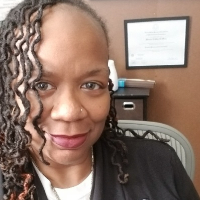
Compassionate, Caring and Empathic Counselor and Team member. Yes, Team member. I having been performing counseling for many years, as...
18 years experience Texas

I am licensed in Alabama with 12 years of professional work experience in the mental health field. I have experience...
6 years experience Alabama

I am an experienced and empathic psychotherapist that provides therapy to individuals, couples, and families for issues including relationship struggles,...
5 years experience Pennsylvania

I am a Licensed Clinical Mental Health Counselor who has been in the helping profession for over 18 years. I...
9 years experience North Carolina

I am licensed in Illinois with over 10 years of professional work experience. I have experience in helping clients with...
10 years experience Illinois

Hello! Thank you for looking at my profile and considering me for counseling services. A bit about me, I have...
17 years experience Illinois
First responders face unique stressors that can have a lasting impact on mental health and well-being. Firefighters, police officers, EMTs, paramedics, dispatchers, and other emergency personnel often witness traumatic events, work long and unpredictable hours, and carry responsibilities that make it hard to step away and seek support. Therapy tailored to first responder issues can help address trauma, burnout, anxiety, and relationship strains while fitting into busy, shift-based schedules.
First responder work involves frequent exposure to crisis, loss, and human suffering. Over time, repeated exposure can lead to symptoms such as intrusive memories, hypervigilance, sleep disturbance, irritability, emotional numbing, and difficulty concentrating. Many first responders also experience moral injury – the psychological distress that arises when actions taken or witnessed conflict with personal values.
Beyond trauma, practical concerns often surface. Shift work and long hours can erode social connections and family routines. Stigma about seeking help, concerns about confidentiality or career impact, and a culture of toughness may discourage reaching out. Substance use and self-medicating behaviors can sometimes develop as coping strategies. Relationship strain, grief, and difficulty transitioning between work and personal life are common themes.
People often look for therapy for first responder issues when symptoms start affecting work performance, relationships, or daily functioning. Some are seeking help after a specific critical incident. Others want support for chronic stress, burnout, or a growing sense of exhaustion and detachment.
Many first responders want a clinician who understands the culture of emergency services and the practical realities of shift schedules. They may prioritize therapists with trauma-informed approaches, experience working with first responders, or familiarity with treatments for post-traumatic stress, anxiety, and depression. Confidential, flexible care that accommodates unpredictable work hours is also a common need.
Online therapy can make mental health care more accessible and practical for first responders. Teletherapy removes geographic barriers, letting you connect with clinicians who specialize in first responder issues even if those specialists are not local. This makes it easier to find someone familiar with your profession’s demands and culture.
Online sessions can fit into nontraditional schedules. Video, phone, or secure messaging options allow you to attend therapy between shifts, after a night shift, or while on leave. For many first responders, being able to join a session from a private space at home or a vehicle on a break reduces the stress of arranging travel or taking extra time off.
Flexibility is one of the strongest advantages of online therapy for first responders. You can schedule appointments at times that work with irregular shifts and avoid commuting after a long or emotionally intense shift.
Online access broadens the pool of therapists you can consider. That increases the chance of finding a clinician with relevant experience, such as trauma-focused therapy, EMDR, or cognitive-behavioral approaches tailored to emergency personnel. This can be especially useful in rural areas or regions with limited specialty providers.
Confidentiality and privacy may feel more manageable online. If you are concerned about running into coworkers at a local clinic, being able to connect from a private, secure location can reduce that worry. That said, some people prefer in-person interaction for the direct human contact it provides. For those who value face-to-face therapy or have specific needs, in-person care remains a strong option.
Initial sessions typically involve a confidential intake where the therapist asks about your work history, recent experiences, symptoms, and goals for therapy. You may discuss specific incidents, patterns of stress, sleep and substance use, and how work affects relationships and daily life.
Therapists who work with first responders often use trauma-informed techniques such as cognitive-behavioral therapy (CBT), prolonged exposure or cognitive processing approaches, or EMDR when appropriate. Treatment can also include skills-based work: stress management, grounding techniques, sleep hygiene, emotion regulation, communication and family work, and strategies for transitioning between work and home life.
Online therapy sessions usually occur via secure video or phone, and many clinicians offer supplemental options like secure messaging between sessions. Your therapist should discuss confidentiality, limits of telehealth, and a safety plan if you’re experiencing crisis. You can expect collaborative goal-setting and regular check-ins to monitor progress.
Look for therapists who indicate experience with first responders, trauma, or related concerns. Read provider profiles to see whether they mention work with firefighters, police, EMTs, dispatchers, or military personnel. Licensing and relevant training in trauma-focused modalities are important to note.
Consider practical fit: availability that matches your schedule, the therapy formats offered (video, phone, messaging), and whether the provider accepts your insurance or offers sliding-scale fees. Cultural fit matters too; many first responders prefer clinicians who understand the occupational culture and can speak to issues like chain-of-command stressors and exposure to critical incidents.
Before committing, it’s reasonable to ask potential therapists about their experience with first responders, their approach to trauma and burnout, confidentiality practices, and how they handle crisis situations. A brief consultation can help you assess whether you feel understood and safe working with them.
Reaching out for help is a strong and practical decision, not a sign of weakness. If you’re considering therapy, start by searching for clinicians who list first responder experience and offer telehealth. A short phone call or initial video session can help you determine whether a therapist is the right fit.
Begin with small, manageable steps: schedule one appointment, set clear goals you want to work on, and communicate any concerns about confidentiality or scheduling. If the first match isn’t right, it’s okay to try another provider until you find someone who understands your needs.
Finding the right online therapist can provide confidential, flexible support that fits the realities of first responder life. You don’t have to manage stress, trauma, or exhaustion alone—help is available that respects your schedule and your experience.