
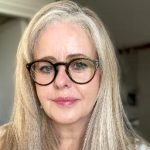
Holistic Jungian therapist specializing in trauma and relationships
About Me
I’m a UK-credentialed therapist with three years of professional experience. My work is centred on creating a warm, non-judgmental space where you can explore your thoughts and emotions openly. I support clients navigating:
Stress & anxiety
Trauma & abuse
Compassion fatigue
Grief & loss—including complex grief, suicidal bereavement, and cancer-related loss
My approach combines empathy with evidence-based tools to help you move forward—without pressure or judgment.
Specialisms
Complex & Prolonged Grief
When grief becomes persistent or overwhelming, it can deeply impact your sense of self and daily functioning. This is known as prolonged grief disorder.
. In our sessions, I use compassion and structure to guide you through meaning-making, continuing bonds, writing exercises, and tailored grief-focused interventions .
Suicidal Bereavement
Losing someone to suicide often brings intense guilt, stigma, and unanswered questions. It’s a unique and deeply painful form of grief. I draw on grief therapy and cognitive-behavioural techniques proven to support people in this situation , always maintaining closeness and compassion while managing risk safely and ethically.
Cancer-Related Loss & Caregiver Grief
Bereavement after cancer carries its own complexities—caregivers often face anticipatory grief, trauma, and long-lasting emotional and physical exhaustion.
. I blend therapeutic writing, CBT, and psychoeducation into a supportive framework designed for this journey.
How I Work
Safe & collaborative: I listen deeply, honour your pace, and tailor therapy to your unique story.
Multi-modal, evidence-informed tools: Including narrative therapy, imagery work, letter writing, role-play, mindfulness, CBT, and psychoeducation.
Trauma-aware & risk-sensitive: We name and explore difficult feelings (such as suicidal thoughts) within a caring, safe therapeutic space, and develop clear plans to stay safe.
What to Expect
First session: We’ll talk about your story—what brought you here, what hurts, and what matters most. You set the pace; I listen deeply.
Ongoing Work: We’ll define goals together—whether it’s processing trauma, rebuilding connection after cancer loss, reducing anxiety, or finding resilience again.
What clients say: “Your empathy, combined with practical tools, helped me feel seen and supported.”
Licensed · Professional · Cancel Anytime
Sabrina Marsh is a UK-credentialed therapist with 10 years of clinical experience who aims to offer a warm, non-judgmental space for people to explore their thoughts and feelings. She works with individuals facing stress and anxiety, trauma and abuse, compassion fatigue, and a range of grief and loss issues – including complex or prolonged grief, suicidal bereavement, and losses related to cancer.
Her practice blends compassionate listening with evidence-informed tools to help clients move forward at their own pace. Sabrina uses a multi-modal approach that includes narrative techniques, imagery work, therapeutic letter writing, role-play, mindfulness, cognitive behavioural therapy, and psychoeducation tailored to each person’s needs.
She is trauma-aware and risk-sensitive, naming and exploring difficult feelings such as suicidal thoughts within a caring therapeutic framework and developing clear plans to promote safety. Sabrina describes her style as safe and collaborative – she listens deeply, honours individual pacing, and adapts therapy to each person’s story.
In an initial session she focuses on what brought someone to therapy, what feels most painful, and what matters most to them. Ongoing work is goal-focused and may involve processing trauma, rebuilding connection after loss, reducing anxiety, or finding renewed resilience. One client said, “Your empathy, combined with practical tools, helped me feel seen and supported.”
For many common concerns – such as stress, anxiety, depression, relationship difficulties, or navigating life changes – online therapy has been shown to be as effective as traditional in-person sessions. This makes remote counselling a viable option for people seeking support without attending a physical clinic.
One key benefit is flexibility – clients can choose the mode of connection that suits them best, whether that is video calls, phone sessions, live chat, or in-app messaging. That flexibility helps therapy fit into busy schedules and varying comfort levels.
All therapists are licensed professionals, and if someone feels the need for a different fit they can switch therapists at any time. Online therapy can therefore offer accessible, clinically-supported care while allowing people to find the therapeutic relationship that works for them.
© All rights reserved.