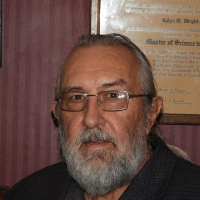
Ralph Murphy
Licensed clinical social worker - 30 years
Start with Ralph MurphyLicensed · Professional · Cancel Anytime

Licensed clinical social worker - 30 years
Start with Ralph MurphyLicensed · Professional · Cancel Anytime
Ralph Murphy is a Licensed Clinical Social Worker practicing in North Carolina with three decades of clinical experience supporting individuals and families. He combines advanced training in social work and ministry with long-term practice in family-focused care.
He holds a Master of Divinity and a Master of Science in Social Work, and he is a member of the Academy of Certified Social Workers (ACSW). As a Licensed Clinical Social Worker in North Carolina, his credential reflects advanced clinical training and authorization to provide professional therapy (license number C005498).
Over a 30-year career, Ralph has worked with children, adolescents, and families across a range of settings, and he has focused on clinical family work throughout his practice. He has supported people coping with depression, anxiety, trauma and abuse, parenting concerns, and substance use, and he also addresses stress, relationship and family conflicts, grief, anger management, addictions, LGBT issues, and coaching needs.
Ralph emphasizes respect and dignity for every person and encourages clients to share their personal narratives as part of identifying life goals and building on individual strengths. He advocates a holistic outlook that attends to emotional, physical, intellectual, and spiritual dimensions of life, and he supports clients in taking responsibility for and recognizing their accomplishments while pursuing greater joy and serenity.
Those who choose to work with Ralph can expect a compassionate, supportive listener focused on helping them discover strengths and apply those resources toward practical, personally meaningful goals.
For many common concerns - including stress, anxiety, depression, relationship difficulties, and life transitions - online therapy can be as effective as traditional in-person sessions. Research and clinical experience indicate that remote care often delivers comparable outcomes for these kinds of issues.
One major benefit is flexibility - people can meet with a therapist in the way that best fits their schedule and comfort level, whether by video call, telephone, live chat, or in-app messaging. This range of options makes it easier to maintain continuity of care and to integrate therapy into a busy life.
Licensed professionals provide online services, and clients have the option to change therapists if they find they need a different fit. For many individuals, remote therapy opens access to consistent, professional support without requiring travel or in-person appointments.