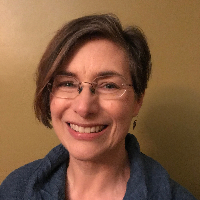
Dr. Patricia Frueh
Experienced Michigan psychologist and mindfulness teacher
Start with Dr. Patricia FruehLicensed · Professional · Cancel Anytime

Experienced Michigan psychologist and mindfulness teacher
Start with Dr. Patricia FruehLicensed · Professional · Cancel Anytime
Dr. Patricia Frueh, who is often called Pat by friends and clients, is a clinical psychologist practicing in Michigan with 28 years of experience as a psychotherapist. She brings a warm, respectful approach to therapy and often notices the humor in everyday life, creating a space where people feel comfortable sharing what they need to say.
Dr. Frueh emphasizes the therapeutic relationship as central to healing and listens carefully for each person’s strengths and resilience, perspectives that can be easy to lose sight of during difficult times. Her areas of practice include stress and anxiety, trauma and abuse, parenting issues, self-esteem, depression, addictions, LGBT concerns, relationship and family conflicts, grief, eating and sleeping disorders, bipolar disorder, and coping with life changes.
She integrates principles from positive psychology and research on well-being, and tailors treatment to fit each person’s needs. Depending on those needs, Dr. Frueh may draw from cognitive-behavioral, humanistic, psychodynamic, and trauma-informed approaches. She is a Certified Mindfulness Meditation teacher and may incorporate Acceptance and Commitment Therapy (ACT) and Dialectical Behavior Therapy (DBT) interventions, both of which include mindfulness practices.
Dr. Frueh is a licensed psychologist in Michigan (license number 6301008874) and combines extensive clinical experience with a supportive, empowering style. Seeking a more fulfilling life takes courage, and she offers guidance and support for those ready to take that first step. She looks forward to working with new clients.
Many people wonder whether online therapy can truly help. For common concerns such as stress, anxiety, depression, relationship challenges, or navigating life transitions, research shows that online services can be as effective as traditional in-person therapy.
One major benefit is flexibility - clients can choose the format that fits their life, whether that is video sessions, phone calls, live chat, or in-app messaging. This range of options makes it easier to maintain continuity of care while balancing other commitments.
All participating therapists are licensed professionals, and clients retain the option to change therapists if they feel a different fit would be better. For many people, online therapy provides an accessible, practical way to work on mental health and well-being without sacrificing therapeutic quality.