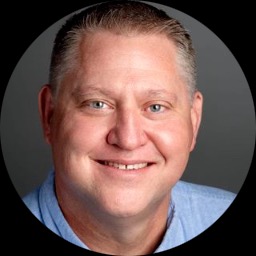
Mark McWhorter

Mark McWhorter

LPC specializing in stress, family, grief, and transitions

Start with Mark McWhorter

Licensed · Professional · Cancel Anytime

About

Mark McWhorter is an LPC licensed to practice in Idaho, Utah, and Oregon with three years of clinical counseling experience. He has served more than ten years as a law enforcement chaplain and has over twenty years of experience as an ordained clergy member, including pastoral and Christian counseling. Those combined roles inform his work with stress, anxiety, family conflict, grief and loss, anger, and major life transitions.

His practice includes focused attention on abandonment and attachment issues, blended family concerns, co-morbidity, codependency, communication problems, and challenges related to substance use and impulsivity. He also addresses specific needs such as first responder issues, fatherhood matters, hospice and end-of-life support, and disruptive mood dysregulation disorder. McWhorter aims to create a listening space where individuals are heard and treated with respect.

He integrates structured therapeutic options and conversational support to help people explore practical coping skills and personal values. Those seeking a therapist with training in multiple clinical approaches will find a profile grounded in both clinical counseling and years of chaplaincy and pastoral care.
Location:
Idaho, United States
Years Experience:
3
Gender:
Male
Languages Spoken:
English
Therapist of Color:
No
Communication Options:
Phone • Video • Live Chat • Messaging

Specialties

Credentials & Verification

  • Credentials: OR LPC C11348, ID LPC LPC-10219
  • NPI Number: 1306608682
  • License: LPC (Idaho), LCMHC (Utah), LPC (Oregon)

Online sessions combining practical skills and compassionate listening


Mark McWhorter uses a mix of Client-Centered Therapy, Cognitive Behavioral Therapy, and Dialectical Behavior Therapy to address emotional and relational concerns. Client-Centered Therapy provides a respectful, nonjudgmental space for people to describe their experiences. Cognitive Behavioral Therapy focuses on identifying thoughts and behaviors that contribute to stress and anxiety and learning concrete strategies to respond differently. Dialectical Behavior Therapy emphasizes emotion regulation and interpersonal effectiveness skills that can be practiced between sessions.

For relationship-focused work he may draw from the Gottman Method to explore communication patterns and shared goals. Motivational Interviewing can support readiness for change when ambivalence arises. Mindfulness-based techniques are also incorporated to build present-moment awareness and coping during difficult moments.

Online contact options include video calls, phone sessions, live chat, and text-based messaging. The online format is presented as a way to engage in skill practice, reflective discussion, and goal-setting using the approaches listed above.

What is Mark McWhorter’s clinical background?

He is a licensed mental health counselor with three years of clinical practice, plus more than ten years serving as a law enforcement chaplain and over twenty years as an ordained clergy member involved in pastoral and Christian counseling.

What credentials and licenses does he hold?

He holds the LPC credential. The profile lists licensing in Idaho, Utah, and Oregon, with license numbers for Oregon and Idaho: OR LPC C11348 and ID LPC LPC-10219.

Which languages does he work in?

The profile indicates he works in English.

Where is he located?

He is located in Idaho and is licensed to practice in Idaho, Utah, and Oregon according to the biography and license details.

How can sessions be conducted?

Sessions are offered through video calls, phone sessions, live chat, or text-based messaging according to the profile information.

Does he accept international clients?

The profile indicates he does not accept international clients.

What does it cost to work with him?

Cost varies by location and therapist availability; sessions use a subscription model that can be canceled at any time.

How does someone get started?

To begin, use the Start Therapy button and complete a short matching questionnaire as described in the profile.