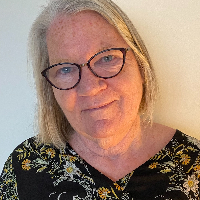
Ellen Walker
Seasoned DC clinician supporting families and individuals
Start with Ellen WalkerLicensed · Professional · Cancel Anytime

Seasoned DC clinician supporting families and individuals
Start with Ellen WalkerLicensed · Professional · Cancel Anytime
Ellen Walker is a licensed clinical social worker practicing in Washington, DC who brings 30 years of experience to her clinical work. In her early 60s, she describes herself as an open-minded optimist and draws on a long career in mental health and child welfare settings to support people facing a wide range of challenges.
She has worked with couples, families, individuals, and children on issues that include physical and emotional trauma, grief, depression, anxiety, addiction, relationship difficulties, and life transitions. Ellen frames therapy as a collaborative process and emphasizes a therapeutic alliance built on mutual trust, respect, honesty, clear communication, and a shared commitment to the work.
Her approach is eclectic and tailored to each person’s needs, using techniques that have proven useful in practice such as Cognitive Behavioral Therapy (CBT), Solution-Focused Brief Therapy, Motivational Interviewing, and Trauma-Focused Therapy. Sessions are typically 45 minutes and usually occur once weekly; initial meetings focus on getting to know one another and understanding the concerns that brought a person to therapy.
Ellen prefers beginning with video sessions so clients and she can establish a rapport, and she is also available by phone and text for those who find those methods more comfortable. Much of her availability is in the mornings and on weekends, and she maintains a high degree of flexibility. She checks messages at least once on each weekday. Ellen holds a District of Columbia license as a clinical social worker - LICSW license LC3000783 - and uses her decades of experience to guide clients through change and healing.
Many people wonder whether therapy delivered online can truly help. For common concerns such as stress, anxiety, depression, relationship difficulties, or navigating life changes, online therapy has been shown to be comparable in effectiveness to traditional in-person care.
One of the primary advantages is convenience - clients can connect in the way that suits them best, whether by video call, phone session, live chat, or in-app messaging. This flexibility makes it easier to integrate therapy into a busy routine.
All participating clinicians are licensed professionals, and if someone decides they would prefer a different match, it is possible to switch to another therapist. For many people, online therapy provides an accessible and effective option for addressing everyday mental health concerns and working toward meaningful change.