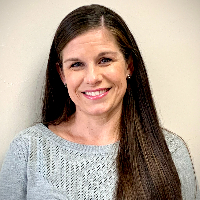
Danielle McDonald
Practical, compassionate therapy for change
Start with Danielle McDonaldLicensed · Professional · Cancel Anytime

Practical, compassionate therapy for change
Start with Danielle McDonaldLicensed · Professional · Cancel Anytime
Danielle McDonald is a Licensed Clinical Social Worker practicing near Buffalo, New York, and she also holds certification as a school social worker. She earned a master of social work from the University at Buffalo in 2006 and has seventeen years of professional experience across inpatient and outpatient mental health settings as well as substance use treatment.
Throughout her career she has worked with children, teenagers, young adults and adults, addressing concerns such as anxiety, depression, relationship difficulties, self-esteem challenges, career stress, substance use, and major life transitions. Her background across diverse treatment settings informs a flexible approach to different needs and age groups.
She values the therapeutic relationship as a central driver of change and emphasizes a collaborative, easy-going style. She builds rapport through empathy, attentive listening and appropriate humor, and clients describe her as a mindful listener who is compassionate and engaging.
Danielle primarily draws on cognitive behavioral therapy, client-centered methods and solution-focused techniques, adapting her approach to fit each person’s goals. Early sessions focus on understanding the issues that brought someone to therapy and establishing clear, achievable goals. She is willing to use the mode of communication that best suits each client and looks forward to supporting people as they take those initial steps toward change.
For many common concerns - such as stress, anxiety, depression, relationship problems or adapting to life changes - online therapy can be an effective alternative to in-person care. Research and clinical experience suggest that remote sessions can address these issues comparably to traditional face-to-face treatment.
One of the primary benefits is flexibility. People can meet with therapists by video, by phone, through live chat or via in-app messaging, which makes it easier to fit care into busy schedules and different lifestyles. This variety of communication options allows individuals to choose the format that feels most comfortable and accessible.
Each participating therapist is a licensed professional, and clients have the option to change providers if they need a different fit. For many, online therapy provides a practical, accessible way to begin or continue mental health treatment while maintaining professional standards of care.