
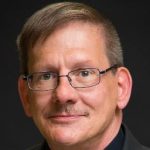
Holistic Jungian therapist specializing in trauma and relationships
I am a Licensed Independent Clinical Social Worker (LICSW) and a Certified Sexual Minority Specialist based in the Puget Sound region of Washington State. I have more than 20 years’ experience providing psychotherapeutic services in both community and private practice settings. I work primarily with sexual and gender diverse communities, often referred to as LGBTQ2SIA+ (lesbian, gay, bisexual, transgender, queer, 2-Spirit, intersex, asexual, and others who do not identify as hetero and/or cisnormative. My clinical practice is informed by the research I have been involved with more than 20 years that examines how larger social structures, such as heterosexism “get under our skin” to influence mental and physical health processes and outcomes among historically marginalized and underserved communities. I also have significant experience and am comfortable in addressing issues and challenges (separately and/or intertwined) that may be important in clients’ lives, such as kink, polyamory, and growing older.
My foundational perspective is psychodynamic and phenomenological – a way of understanding that things we think, feel, and do are often adaptive in our previous experiences of being human, such as (& not limited to) growing up and coming of age, and our interpersonal relationships. It suggests that our thoughts, feelings, and behaviors are shaped by unconscious motives and conflicts, often stemming from past experiences, particularly those in early childhood. Central to this perspective is that it is not what we experienced that shapes our beliefs about ourselves, others, and the world, but the meaning(s) we create to make sense of those experiences. This perspective also focuses on how these hidden forces interact with one another to affect our mental, emotional, and physical well-being.
My master’s is in “clinical/contextual” practice. This means that I see the psychological challenges that people experience, such as ‘depression’ are almost always deeply connected to the social environment, past, present, and anticipated futures. For example, it has not been atypical that sexual and gender diverse who present with issues around depression and anxiety uncover that they may have unresolved internalized stigma related to their sexual and gender identities and orientations. It would be surprising if it weren’t because of the intense, ongoing socialization processes that we experience on an ongoing basis that often begin even before birth, for example, ‘girls are emotional, nurturing, and caring,’ while ‘boys are tough and don’t cry.’ When we violated those heteronormative, gender-normed (and made-up) behaviors we were punished – when we ‘stayed within the lines’ we were rewarded. The challenge – and the opportunity is that the behavioral repertoires we developed earlier in life (a metaphorical parka) to protect ourselves sink below our conscious awareness (become invisible) and are no longer protective. The metaphorical parka in Antarctica is good, that same parka in the Sahara – not so much….
While grounded in psychodynamics, I also have a wide variety of tools that I bring into the therapeutic relationship, including (but not limited to) cognitive behavioral, narrative, and rational-emotive-behavioral practices. Neither one tool nor one size fits all. A core worldview that I hold is that every person is the absolute expert on their own individual lives; I have expertise in understanding some of the general processes of human behavior in the social environment. I see my job as ‘walking with’ clients for a brief time to mutually explore not “what’s wrong with you,” but rather “what happened to you?”
Lao Tze is credited with the saying that “the longest journey starts with a single step.” When you are ready to take that first single step on your next journey, I am more than happy to walk with you.
Licensed · Professional · Cancel Anytime
Dr. Charles Hoy-Ellis is a Licensed Independent Clinical Social Worker (LICSW) and a Certified Sexual Minority Specialist practicing in the Puget Sound region of Washington State. He is licensed in Washington – WA LICSW LW 00009601 – and brings 21 years of clinical experience from both community and private practice settings.
He focuses primarily on sexual and gender diverse communities often described as LGBTQ2SIA+, and his clinical perspective is shaped by more than two decades of research examining how larger social structures, such as heterosexism, influence mental and physical health among historically marginalized groups. He also has substantial clinical experience addressing issues that frequently intersect with identity and relationships, including kink, polyamory, and the process of growing older.
His foundational orientation is psychodynamic and phenomenological, a way of understanding that many thoughts, feelings, and behaviors were once adaptive responses to earlier life experiences, including development and interpersonal relationships. This approach emphasizes the meanings people create from their experiences and how unconscious motives and conflicts can affect emotional and physical well-being.
Trained at the master’s level in a “clinical/contextual” model, he views difficulties such as depression and anxiety as closely linked to social environments across past, present, and anticipated futures. In practice, this often means helping people uncover unresolved internalized stigma related to sexual and gender identity – a common consequence of long-standing socialization into gendered and heteronormative expectations.
While grounded in psychodynamic work, he integrates a range of therapeutic tools tailored to each person’s needs, including cognitive-behavioral, narrative, and rational-emotive-behavioral techniques. He holds that each person is the foremost expert on their own life and sees his role as accompanying clients to explore not what is “wrong” with them, but what happened to them.
He notes Lao Tze’s comment that “the longest journey starts with a single step,” and he welcomes the opportunity to walk alongside clients when they are ready to take that first step.
Many people wonder whether therapy delivered online can make a meaningful difference. For a range of common concerns – including stress, anxiety, depression, relationship challenges, and life transitions – research and practice indicate that online therapy can be as effective as traditional in-person work.
One major benefit is flexibility. Clients can connect with therapists in the format that suits them best: video calls, phone sessions, live chat, or in-app messaging. This variety makes it easier to integrate therapy into busy lives and to choose the mode of communication that feels most comfortable.
All therapists are licensed professionals, and clients have the option to switch therapists whenever they prefer a different fit. For many people, online therapy offers a practical, evidence-informed way to address common mental health and relationship concerns while fitting support into daily routines.
© All rights reserved.