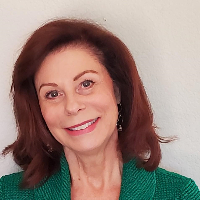
Carolyn (Lyn) Beyer
Experienced Wisconsin Trauma and Wellness Therapist
Start with Carolyn (Lyn) BeyerLicensed · Professional · Cancel Anytime

Experienced Wisconsin Trauma and Wellness Therapist
Start with Carolyn (Lyn) BeyerLicensed · Professional · Cancel Anytime
Carolyn (Lyn) Beyer is a Licensed Professional Counselor practicing in Wisconsin who brings 24 years of clinical experience to her work. She is also a Certified Clinical Trauma Professional, and she has substantial experience supporting people coping with depression, anxiety, childhood neglect and abuse, post-traumatic stress, and grief. Her clinical focus includes helping individuals heal from both single-incident and long-standing trauma.
Lyn approaches therapy from the belief that each person is the expert on their own life and that progress grows from a collaborative partnership. Her role is to guide, support, and at times challenge clients as they move through the healing process. Her therapeutic foundation is rooted in client-centered and humanistic models, and she is trained in Cognitive Behavioral Therapy and Motivational Interviewing. She also draws on a range of adjunctive techniques when appropriate.
Outside of her clinical role, Lyn is a mother and grandmother who enjoys yoga and hiking. She describes herself as honest, compassionate, progressive, and disciplined. Recently semi-retired from a prior role as a Director, she continues to practice because she values the work and the therapeutic connection. Lyn emphasizes that the relationship between therapist and client is central to success in therapy, and she is honored when someone considers her as a partner on their journey.
She holds a Wisconsin Licensed Professional Counselor credential, listed as WI LPC 2872-125, which identifies her as a licensed mental health professional in the state of Wisconsin. Lyn often shares the sentiment “Today I Chose Courage over Comfort” as an encouragement toward taking steps that foster growth and healing.
For many common concerns—such as stress, anxiety, depression, relationship difficulties, or navigating life transitions—online therapy can be as effective as traditional in-person care. Research and clinical experience support its usefulness for these types of issues.
One major advantage of remote therapy is flexibility. Clients can meet with a therapist in the format that best fits their needs and comfort level, whether by video sessions, phone calls, live chat, or in-app messaging. This flexibility makes it easier to integrate therapy into a busy schedule.
All participating clinicians are licensed professionals, and clients may choose to switch therapists at any time if they prefer a different fit. Online therapy offers practical access to professional support while preserving many of the therapeutic benefits associated with face-to-face counseling.