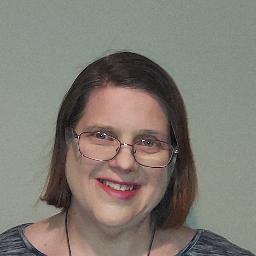
Carly Turner
Compassionate, practical support for life’s challenges
Start with Carly TurnerLicensed · Professional · Cancel Anytime

Compassionate, practical support for life’s challenges
Start with Carly TurnerLicensed · Professional · Cancel Anytime
Carly Turner is a Licensed Independent Social Worker practicing in Iowa who has worked as a therapist for four years. She earned her Master of Social Work from the University of New England in May 2017 and brings that clinical training to her practice.
Her experience includes supporting people facing stress, anxiety, grief, low self-esteem, depression, compassion fatigue, addictions, relationship issues, family conflicts, trauma and abuse, eating and sleeping disorders, anger management, career difficulties, bipolar disorder, coping with life changes, and ADHD.
Her counseling style is warm and reflective, with an emphasis on listening in a sensitive and respectful way. She uses a range of evidence-informed approaches - strengths-based and client-centered work, cognitive behavioral therapy, solution-focused strategies, narrative therapy, motivational interviewing, mindfulness, and trauma-focused interventions - and partners with clients to identify tools that empower them to reach their goals.
She values collaborative work and looks forward to walking alongside clients as they navigate their paths forward.
Many people ask whether online therapy can truly help. For common concerns such as stress, anxiety, depression, relationship challenges, and navigating life changes, online therapy has been shown to be comparable in effectiveness to traditional in-person sessions.
One major benefit is flexibility - you can connect in the format that works best for you, including video calls, phone sessions, live chat, or in-app messaging. This adaptability makes it easier to fit therapy into a busy schedule or maintain continuity through transitions.
Licensed professionals offer care through these remote options, and if a different therapeutic fit is needed, it is possible to switch to another therapist. For many people, remote sessions provide an accessible and practical way to engage in meaningful therapeutic work.