About
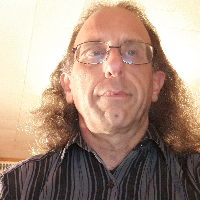
Carey Deeters is an LCSW with 23 years of experience working in Pennsylvania. He has provided services across county, in-patient, hospice, community-based, and clinical settings to children, youth, adults, and elders. Over his career he has worked with a wide range of concerns, including substance use disorders, grief and loss, abuse and trauma, parenting and family dynamics, and life-stage transitions.
He has treated many diagnostic presentations such as major depressive disorder, generalized anxiety disorder, autism spectrum disorder, ADHD, oppositional and disruptive mood dysregulation disorders, obsessive compulsive disorder, bipolar I and II, and personality disorders. His practice also addresses issues related to intimacy, addiction, anger, caregiving stress, body image, and complex family arrangements.
His clinical orientation is strongly rooted in Cognitive Behavioral Therapy and REBT while remaining flexible in method. He integrates approaches such as Motivational Interviewing, Narrative and Solution-Focused techniques, Somatic methods, and Trauma-Focused therapy to meet people where they are. When someone is ready to begin, he aims to support and empower the next steps on their path toward greater ease with how they arrived and where they are headed.
Remote sessions that use structured and narrative approaches
Carey offers online and remote session formats that align with his preference for structured, flexible work. He draws on Cognitive Behavioral Therapy to help identify and practice skills related to thoughts and behaviors, and on Trauma-Focused Therapy and Somatic methods to address how stress and traumatic experiences can affect the body and daily functioning. These approaches are described in direct, practical terms and are organized around observable concerns and goals.
In addition he uses Motivational Interviewing to help clarify readiness for change and Narrative and Solution-Focused techniques to explore personal stories and identify concrete next steps. That combination can fit people who want both skill-building and opportunities to reframe life events. Sessions may move between short-term, goal-oriented work and deeper exploration depending on what an individual brings.
Remote options include video calls, phone sessions, live chat, or text-based messaging. Carey adapts the mix of techniques and communication methods to the goals and preferences laid out at the start of work together.How much clinical experience does Carey have?
He has 23 years of experience in the human services field, providing care in county, inpatient, hospice, community-based, and clinical agency settings.
What are his professional credentials and licenses?
Carey holds the LCSW credential. Licenses listed include VA LCSW 0904019133 and PA LCSW CW020912.
Which languages does he use in sessions?
The profile indicates he conducts work in English.
Where is he located?
He is based in Pennsylvania and has provided services across a range of local care settings.
What ways can people work with him remotely?
Carey offers video calls, phone sessions, live chat, and text-based messaging as communication options for remote work.
Does he accept clients from other countries?
This profile indicates he is not accepting international clients.
How is cost handled?
Cost varies by location and therapist availability. Sessions are provided through a subscription model that can be canceled at any time.
How does someone get started?
To begin, use the Start Therapy button and complete the short matching questionnaire specified in the profile.