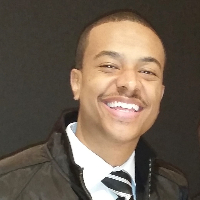
Dr. Antonio Robinson
Specialized care for men's mental health
Start with Dr. Antonio RobinsonLicensed · Professional · Cancel Anytime

Specialized care for men's mental health
Start with Dr. Antonio RobinsonLicensed · Professional · Cancel Anytime
Dr. Antonio Robinson focuses his practice on men’s mental health, bringing eight years of clinical experience to concerns that often affect men more quietly. He works with men facing stress, anxiety, depression, relationship difficulties, anger and irritability, self-esteem struggles, grief, trauma and abuse, family conflict, career or academic concerns, compassion fatigue, and major life transitions.
He believes change is possible when people receive clear psychoeducation, a supportive space to be vulnerable, and therapies tailored to their needs and delivered with genuine warmth. Dr. Robinson understands that what gets labeled a “men’s issue” often develops within a specific context - family dynamics, cultural expectations, historical norms, or regional influences - and that those contexts can limit the range of adaptive responses available to a man.
Anger and irritability commonly appear when more vulnerable emotions like sadness or hurt have been discouraged. For many men, anger becomes the learned way to signal pain. Dr. Robinson helps clients learn to identify and communicate underlying hurt and sadness, reduce destructive expressions of anger, and rebuild opportunities for repair and connection in relationships.
Some men cope by numbing or pushing emotions away, distancing themselves from relationships or devaluing attachment to avoid discomfort. Those strategies often create new problems and more intense emotions over time. Through therapy, Dr. Robinson supports clients in recognizing emotional avoidance, developing healthier emotion regulation skills, and expressing feelings in ways that preserve and strengthen relationships.
He holds a master’s degree in counseling and later completed a Doctor of Education degree. Dr. Robinson practices as a Licensed Professional Counselor in Missouri and Texas and is board-certified as a national counselor and in telemental health, reflecting his training to provide therapy both in person and via remote formats. His clinical experience includes work with adults, couples, and college students.
Dr. Robinson practices in Missouri and offers an approachable, skills-focused approach for men seeking practical strategies and deeper emotional insight. He looks forward to meeting and working with those ready to make meaningful changes.
For many common concerns - such as stress, anxiety, depression, relationship strains, or life transitions - online therapy can be as effective as traditional in-person treatment. Research and clinical practice support the use of remote care for these types of issues, making virtual sessions a viable option for people seeking help.
One major benefit of online care is flexibility. Clients can choose the mode of connection that best fits their life and comfort level - video sessions, phone meetings, live chat, or in-app messaging - which makes it easier to attend sessions consistently and integrate therapy into a busy schedule.
Sessions are provided by licensed professionals, and if a client decides they would prefer a different therapist, switching to another provider is an option. For many people, the accessibility and adaptable formats of online therapy make it a practical and effective step toward addressing mental health concerns.