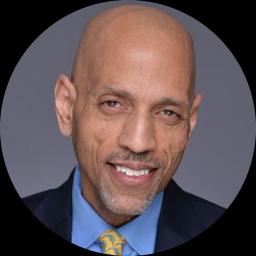
About
Anthony Patterson is a Licensed Mental Health Counselor (LMHC) with a multi-decade career helping individuals, couples, and groups navigate anxiety, grief, depression, relationship challenges, trauma, and addiction. He draws on decades of clinical experience to provide trauma-informed and relationship-focused care for people of any age, gender, or sexual orientation, including work with LGBT clients and those facing intimacy-related issues, anger, or self-esteem concerns.
As a certified EMDR therapist, he integrates eye movement desensitization and reprocessing into treatment to address traumatic memories and their emotional impact while also incorporating mindfulness-informed techniques to support emotional regulation. As a certified Imago relationship therapist, he guides couples through structured tools to improve connection, communication, and to resolve power struggles in healthier ways. He also brings training as a certified group psychotherapist to create supportive group settings where individuals can take interpersonal risks and learn from others.
Across individual, couples, and group formats, Anthony emphasizes practical skills, insight, and collaborative planning to help clients address issues such as abandonment and attachment difficulties, communication problems, divorce and separation, forgiveness, guilt and shame, life purpose, men’s issues, financial stress, mood disorders, sexuality concerns, social anxiety, and workplace challenges. He practices from his base in New York and holds the LMHC credential, which indicates licensure to provide mental health counseling.
Evidence-Based Methods for Online Trauma and Relationship Work
Anthony Patterson uses well-established techniques that translate effectively to remote care. EMDR, or eye movement desensitization and reprocessing, focuses on processing distressing memories and reducing their emotional intensity through structured bilateral stimulation and guided recall - it is often used for trauma-related symptoms and intrusive memories. Imago relationship therapy offers structured dialogues and exercises that help couples improve empathy, communication, and connection by identifying unconscious patterns and practicing new ways of relating.
Finding the right approach is a collaborative process. Anthony will work with each person or couple to assess needs, goals, and preferences, and then tailor treatment using these evidence-based techniques and others as appropriate so the plan fits the client rather than forcing a single method.
Online therapy via video calls, phone sessions, live chat, or text-based messaging offers flexibility for scheduling and makes it easier to maintain continuity of care from a distance. These options allow clients to access licensed professionals from their own setting, choose formats that match their comfort level, and combine synchronous and asynchronous communication to support ongoing progress.How much experience does Anthony Patterson have?
Anthony Patterson has 38 years of experience.
Is Anthony Patterson a licensed therapist?
Yes. He holds the credential LMHC, which stands for Licensed Mental Health Counselor. License details: NY LMHC 002813.
In which languages does Anthony Patterson provide therapy?
He provides therapy in English.
Where is Anthony Patterson located?
He is located in New York.
How can I work with Anthony Patterson as my therapist?
You can work with Anthony Patterson through video calls, phone sessions, live chat, or text-based messaging.
Does Anthony Patterson work with international clients?
No. Anthony Patterson does not currently work with international clients.
How much does therapy with Anthony Patterson cost?
The cost of therapy can vary depending on factors such as your location and the therapist's availability. Sessions are billed through a subscription that can be canceled at any time, for any reason. For current details, click the "Start Therapy" button on this page.
How can I get started with therapy?
Getting started with therapy is quick and straightforward. Click the "Start Therapy" button and complete a short questionnaire that helps match you with your therapist. Depending on availability, you can then schedule your first session, which may take place by phone, video call, live chat, or in-app messaging.