
Megan Bettenberg
I am a licensed professional counselor (LPC) in Colorado with 5 years of experience dedicated to empowering individuals through a...
5 years experience Colorado

You’ve taken an important step by seeking support, and this page connects you with clinicians experienced in paranoia to help you find a good fit. You’re in the right place to explore compassionate options and take care of your well-being.
Online sessions offer flexibility, privacy and convenience – letting you connect from wherever you are. When you’re ready, browse the listings below to explore profiles and reach out to someone who feels right for you.
I am a licensed professional counselor (LPC) in Colorado with 5 years of experience dedicated to empowering individuals through a...
5 years experience Colorado

Do you need someone to listen and understand? Thank you for sharing information about yourself. I’m happy that you reached...
5 years experience United Kingdom

As a licensed therapist in Michigan, I bring over two decades of compassionate clinical experience supporting individuals through complex life...
20 years experience Michigan
I am licensed in Texas with 16 years of professional work experience. I have experience in helping clients with stress...
16 years experience Texas

Everyone needs help sometimes and it takes strength and courage to admit when we are struggling. Seeking support through counseling...
10 years experience Illinois

I am licensed in Florida and New York State with 10 years of professional work experience in mental health. I...
10 years experience Florida

I am an LPC that has been working in some capacity in the mental health field for about 8 years...
10 years experience Louisiana
I am a Licensed Clinical Social Worker currently practicing in Oklahoma. I have a colorful past that gives me insight...
7 years experience Oklahoma

I work with my clients to create an open and safe environment where thoughts and feelings can be shared without...
18 years experience Wisconsin

I am currently licensed in both Illinois and Iowa with 21 years of professional work experience, working with individuals of...
21 years experience Illinois
I believe in a person’s ability to develop and grow, become autonomous and authentic. I utilize different techniques and approaches...
5 years experience New Jersey
I am licensed in the state of Ohio to independently practice counseling, and I have training in three different evidence...
6 years experience Ohio
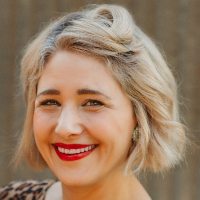
I imagine that if you are here, you are tired of feeling this way. You may be stuck and unsure...
12 years experience California

Perhaps you are visiting today to obtain answers to confusion, peace in the torment, clarity from the chaos, healing from...
12 years experience California
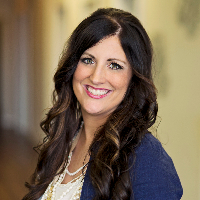
Licensed Mental Health Practitioner that has worked in the Mental Health field since 2004. Uses a cognitive behavioral approach within...
10 years experience Nebraska

I’m a registered counsellor with the Australian Counselling Association (MACA Level 3) and hold a Bachelor of Counselling. I have...
6 years experience Australia

My name is Melissa Averett. I’m a Licensed Professional Counselor. I earned my Master Degree in Education Counseling at Southeastern...
14 years experience Louisiana

Hi! I'm Melissa, an LCSW who's passionate about helping people feel understood, supported, and empowered. With 10 years of experience...
10 years experience New York
My name is Melissa Gramigna and I am a Licensed Professional Counselor. I received my licensure in 2001 and I...
20 years experience Texas

As a licensed therapist in Tennessee, I bring eight years of dedicated experience supporting individuals through life's complex challenges. My...
8 years experience Tennessee

Hello, My name is Melissa Hurt and I hold a Clinical Social Worker license (LICSW). My background is just as...
3 years experience Minnesota

I am a licensed clinical social worker in Colorado with over 10 years of experience working as a therapist and...
10 years experience Colorado
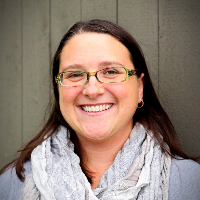
I am a Licensed Professional Clinical Counselor with over 12 years of experience. I specialize in working with people who...
10 years experience Minnesota

I am licensed in Georgia as an LCSW (Licensed Clinical Social Worker). I am also certified as a clinical anxiety...
12 years experience Georgia

I am licensed in Texas with 5 years of professional work experience. I have experience in helping clients with stress...
5 years experience Texas

Hi :) I’m Melissa, a Licensed Clinical Social Worker (LCSW). I specialize in helping individuals who feel overwhelmed by anxiety,...
10 years experience Pennsylvania

Taking the first step to reach out takes courage. I’m here to support you through the process of navigating mental...
25 years experience Australia

I am a Licensed Professional Counselor in both Michigan and Missouri with over a decade of experience specializing in mental...
10 years experience Michigan

Do you struggle with anxiety, depression, grief, a challenging relationship, loss of a sense of self or even talking down...
22 years experience Texas

Melvin Barnes, LCSW, ACSW, ACHP-SW, BCD, has more than 37 years of clinical and administrative experience in the fields of...
37 years experience Florida

I am licensed in Nebraska with 3 years of professional work experience. I have experience in helping clients with stress,...
3 years experience Nebraska

I am licensed in New York with 12 years of professional work experience. I have experience in helping clients with...
12 years experience New York
Welcome to BetterHelp! My name is Meredith Fiedler. I am a Licensed Clinical Social Worker and a Certified Clinical Telemental...
13 years experience Florida
My passion stems from this belief: All people have the power and potential to figure out how to best live...
7 years experience North Carolina

I am a Licensed Mental Health Counselor with over ten years experience counseling individuals of all ages, including specialization with...
10 years experience New York

I am licensed in Pennsylvania with 11 years of professional therapy experience. However, I have been working in the social...
11 years experience Pennsylvania

I am a Licensed Mental Health Counselor in Indiana with over 10 years of experience providing counseling and over 20...
10 years experience Indiana

It’s never lost, just harder to find' Hi, My name is Michael and I am a clinically registered therapist in...
4 years experience Australia
I am a Licensed Marriage & Family Therapist (LMFT) with 20 years experience working with young people and adults who...
25 years experience California

I am a qualified counsellor in the UK and a member of the National Counselling Society. I work integratively which...
3 years experience United Kingdom
Paranoia refers to persistent feelings of mistrust, suspicion, or the belief that others intend to cause harm. These experiences can range from mild wariness to intense fear that affects daily functioning, relationships, and work. Paranoia may appear alongside anxiety, trauma-related concerns, mood conditions, or psychotic disorders, but it can also occur on its own.
People experiencing paranoia often describe heightened vigilance, frequent scanning for threats, difficulty trusting others, and worry about conversations or events being about them. These experiences can be distressing and isolating, leading many to avoid social situations, withdraw from support networks, or feel constantly on guard.
Concerns that bring people to seek help include difficulty maintaining relationships due to suspicion, trouble concentrating at work or school, chronic worry about safety, and distressing thoughts that others are talking about or plotting against them.
Some people worry that others are spying on them or that their personal information is being used in harmful ways. Others may feel targeted by co-workers, neighbors, or family members. Paranoia can lead to strained communication, frequent conflicts, and avoidance of situations that feel risky.
People may also seek support when paranoia is connected to past trauma, such as abuse or betrayal, or when it intensifies during periods of substance use, sleep loss, or high stress. Family members often look for guidance on how to support a loved one who seems increasingly suspicious or withdrawn.
Online therapy offers a way to access mental health support from the comfort and safety of your chosen space. For people experiencing paranoia, meeting with a therapist remotely can reduce the immediate stress of traveling to an unfamiliar office and allow sessions to start in an environment that feels more under your control.
Therapists experienced with paranoia can provide psychoeducation to help you understand why suspicious thoughts arise and how they might be maintained. Evidence-informed approaches such as cognitive-behavioral techniques can support examining and testing beliefs in a gradual, collaborative way. Trauma-informed care can help if past experiences contribute to mistrust, and therapists can teach grounding and anxiety-management strategies to reduce distress.
Online sessions also make it easier to involve family members or trusted supports in therapy when appropriate, to practice real-world strategies between sessions, and to maintain treatment continuity if you move or travel. Therapists can coordinate with other providers, such as psychiatrists, if medication evaluation or crisis support is needed.
Convenience is a major benefit of online therapy. You can schedule sessions without commuting, which reduces time and expense and can make it easier to keep appointments during busy or unpredictable periods.
Privacy and control over your environment are especially important for people dealing with paranoia. Online therapy lets you choose a setting that feels safe and comfortable for you. This sense of control can lower initial anxiety and make it easier to open up at your own pace.
Online therapy can also increase access to clinicians who specialize in paranoia, trauma, or related concerns, regardless of your geographic location. If you live in a rural area or an underserved community, teletherapy can connect you with therapists who may not be available locally.
While in-person therapy offers face-to-face interaction that some people prefer, online therapy provides flexibility, reduced logistical barriers, and often the ability to continue care through moves or life transitions. The best choice depends on personal comfort, the severity of symptoms, and practical considerations.
Initial sessions typically involve an assessment of your current concerns, history, and goals for therapy. A good therapist will ask about how paranoia affects your life, safety concerns, any medical or substance-related factors, and past experiences with mental health care.
Building trust is a central focus. Therapists often move slowly and collaboratively, creating a clear plan and checking in frequently about how you feel during sessions. Practical strategies may include cognitive exercises to examine suspicious thoughts, reality-testing experiments done at a comfortable pace, stress-reduction techniques, and skills for improving communication with others.
Therapists will also discuss confidentiality and the limits of telehealth, including what happens if there is a crisis. A safety plan and clear steps for crisis support are normal parts of care. Frequency of sessions varies; many people start with weekly meetings and then adjust based on progress.
Look for a licensed mental health professional with experience treating paranoia, trauma-related conditions, anxiety, or psychosis-related concerns. Search for therapists who mention cognitive-behavioral therapy, trauma-informed approaches, or experience with reality-testing and trust-building. Credentials and licensure in your state or region are important.
When contacting potential therapists, ask about their experience working with paranoia, their approach to building trust remotely, and how they handle confidentiality and emergency situations in telehealth. You might ask whether they collaborate with psychiatrists when medication evaluation is needed, and how they involve family or supports when appropriate.
Consider practical factors such as session availability, fees, insurance or sliding-scale options, and whether they offer video, phone, or combined modalities. Many therapists offer a brief consultation to help you gauge whether you feel comfortable with their style and approach.
Reaching out for help can feel daunting, especially if mistrust and suspicion make it hard to connect. Starting with a brief consultation is a low-pressure way to see how a therapist communicates and whether you feel understood. You can prepare a few questions about their experience and what a first month of therapy might look like.
If you are in immediate danger or feel you might harm yourself or someone else, contact local emergency services or a crisis line in your area. For ongoing safety concerns related to paranoia, bring these up early in therapy so you and your therapist can create a clear, practical plan.
Finding the right therapist can take time, and it is okay to try a few consultations to find someone who respects your pace and helps you feel safer. Online therapy can make that search easier by broadening your options and letting you meet clinicians from your own home. Taking that first step toward support is a meaningful move toward feeling more grounded, connected, and in control.