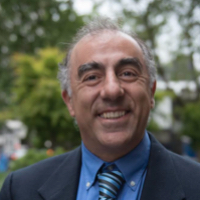
Mohammad Bader
I am a Nationally Certified Counselor and Licensed Professional Counselor in the State of Oregon. My focus for the past...
25 years experience Oregon

Hearing Impaired therapists can support you as you take this thoughtful step toward care – you’re in the right place to find professionals who respect your experience and goals.
Online therapy offers flexibility, convenience and added privacy, making it easier to connect on your terms – please browse the listings below to explore options and find a good fit.
I am a Nationally Certified Counselor and Licensed Professional Counselor in the State of Oregon. My focus for the past...
25 years experience Oregon
As a licensed therapist with extensive experience supporting individuals through complex life challenges, I specialize in helping clients navigate depression,...
6 years experience Missouri

How do you choose who to work with? Here are some of my key points. “I am well qualified, and...
3 years experience United Kingdom
Hi, my name is Nadine. Thank you for taking a minute to read my profile . I am a BACP...
8 years experience United Kingdom
Hi there! I’m Nadine and I am a Licensed Clinical Social Worker with ten years of experience. Are you stressed?...
13 years experience Pennsylvania
You determine the place on the road, and I will meet you there. I believe therapy is a collaborative effort....
20 years experience Washington
My name is Natalie Baker, I use she/they pronouns. I am a licensed Professional Counselor of Mental Health in the...
18 years experience New Jersey

In my seven years experience as a counselor, I have worked with adolescents and adults on anxiety and stress management,...
7 years experience Texas
I am licensed in the UK with 10 years of professional work experience. I have experience in helping clients with...
12 years experience United Kingdom
My name is Natasha Hinds I work as an Integrative therapist, the modalities I work with are Psychodynamic and Humanistic,...
5 years experience United Kingdom

Hello! My name is Nathan Dean (he/him, cis/het), and I am a person-centered therapist based in the UK, working with...
4 years experience United Kingdom
My name is Nelly Leenman and I am licensed professional counselor (LPC) based in New Jersey with 5 years of...
4 years experience New Jersey
I am credentialed in the UK with 25 years of professional work experience. I have experience in helping clients with...
25 years experience United Kingdom

I am licensed in the UK with 5 years of professional work experience. I have experience in helping clients with...
5 years experience United Kingdom

I am licensed in the UK with 7 years of professional work experience. I have experience in helping clients with...
7 years experience United Kingdom

I am licensed in the UK with 20 years of professional work experience. I have experience in helping clients with...
20 years experience United Kingdom

Hello, I’m Nicola, a qualified integrative therapist based in the United Kingdom. I have over five years experience supporting clients...
5 years experience United Kingdom

I am qualified psychotherapist & member of the BACP based in the UK. I am an integrative therapist ,which means...
10 years experience United Kingdom

I am licensed in Georgia with 30 years of professional work experience. I have experience in helping clients with stress,...
30 years experience Georgia

I am licensed in Illinois with 3 years of professional work experience and 5 years of clinical experience. I am...
5 years experience Illinois

I am a Licensed Mental Health Counselor (LMHC) based in Miami, Florida, with over a decade of professional experience in...
10 years experience Florida

Hello, I am Olivia. I am a licensed therapist in Oklahoma, I specialize in supporting individuals navigating complex personal challenges....
4 years experience Oklahoma
I am licensed in California with 48 years of professional work experience. I have experience in helping clients with stress...
50 years experience California

Hi there, It takes grit and fortitude to do what you’re doing. Searching for a therapist is a big decision...
25 years experience Washington

I am licensed in Maryland with 47 years of professional clinical social work experience. I have had success in helping...
50 years experience Maryland

I am friendly, down to Earth and direct. I am friendly and use common sense. I am not judgemental and...
6 years experience United Kingdom

Hi and thanks for taking the time to look at my profile. I am a qualified Counsellor with experience working...
14 years experience United Kingdom
It takes courage to find the right counselor for you! As a seasoned therapist, I am licensed in the State...
30 years experience Florida

Hello! My name is Petrovnia McIntosh. I am a a licensed clinical social worker (LCSW) in the state of Wisconsin...
9 years experience Wisconsin
A compassionate, empathetic and supportive individual. I have integrity and I’m authentic. I work with common mental health and have...
6 years experience United Kingdom

Hello. Welcome to my profile. I am a qualified psychodynamic psychotherapist based in London with 4 years of professional work...
4 years experience United Kingdom
I am a well-organized service provider who is able to prioritize and generate results to achieve organizational objectives within time...
6 years experience New Jersey

I am licensed in New York with 4 years of professional work experience. I have experience in helping clients with...
10 years experience New York

Hello, I’m an MNCPS-accredited counsellor and I can offer you a safe, non-judgemental space to explore your thoughts and feelings,...
3 years experience United Kingdom

You’re not alone, and you don’t have to have it all figured out. Hi, I’m Rachel, a qualified counsellor and...
3 years experience United Kingdom

Hello!! My name is Randy Cripe and I am a Licensed Professional Counselor (LPC) in the State of Michigan and...
18 years experience Michigan

Outside of my work as a therapist, family is at the center of my life. I’m a proud mom of...
9 years experience Utah

I am licensed in the UK with 6 years of professional work experience. I work with a broad range of...
6 years experience United Kingdom

As a licensed therapist in New York, I specialize in supporting individuals navigating complex emotional landscapes. My approach centers on...
7 years experience New York

Welcome! I am an empathic and non-judgemental Integrative Therapist specialising in trauma, depression and anxiety. As a result of my...
3 years experience United Kingdom
Finding mental health support that respects your communication needs and cultural identity can make a big difference in therapy. For people who are deaf or hard of hearing, online therapy can expand access to clinicians who know sign language, use captioning and text-based options, or who are experienced with deaf culture and communication accommodations. This page explains what to look for, how online therapy can help, and practical steps to find a therapist who meets your needs.
“Hearing impaired” is a commonly used term, but many people prefer “Deaf,” “hard of hearing,” or “Deaf-blind” depending on identity and degree of hearing loss. Therapy for people who are deaf or hard of hearing centers on clear, accessible communication and awareness of cultural context. That can mean therapy in sign language, working with interpreters, using captions or text, or adapting therapeutic techniques to rely more on visual and written materials.
Therapists who work effectively with deaf and hard of hearing clients typically understand the importance of communication preferences, the role of Deaf culture for many clients, and the need to coordinate accommodations such as qualified interpreters or real-time captioning. They also take extra care to ensure privacy, informed consent, and collaborative planning around how sessions will run.
Clients who are deaf or hard of hearing often have overlapping concerns that therapy can address, such as social isolation, identity and cultural exploration, anxiety related to communication barriers, grief or adjustment after a hearing loss, relationship stress, and workplace or educational challenges. Some people worry about stigma or past negative experiences with providers who were not accessible or culturally competent.
Other common needs include consistent, reliable communication access during sessions; a therapist who respects and understands Deaf culture if relevant; assistance processing experiences related to discrimination or lack of access; and practical strategies for managing stress, relationships, and mental health symptoms in contexts where communication is challenging.
Online therapy increases your options for finding a clinician who meets your language and accessibility needs. If local providers who sign or understand Deaf culture are scarce, video and text-based therapy allow you to connect with qualified clinicians anywhere. Online platforms can support multiple communication modes, including video sign language sessions, live captioning, text chat, and asynchronous messaging that lets you communicate in writing between sessions.
Online sessions can also make it easier to involve an interpreter when needed, because interpreters can join remotely with less logistical complexity. Visual tools and screen sharing can be used to present handouts, worksheets, or visual metaphors that enhance understanding. For some people, attending therapy from home feels safer and more private than traveling to an unfamiliar office.
Online therapy often offers greater access to clinicians who use American Sign Language (ASL) or other sign systems, or who have explicit training in working with deaf and hard of hearing clients. This wider pool can shorten waiting times and help you find someone with the right cultural competence and clinical approach. Travel time, transportation barriers, and accessibility of physical offices are reduced when sessions are remote.
Online modalities also tend to be flexible. You can choose video for signing, text chat for quick check-ins, or email/messaging between sessions for ongoing support. Many platforms support live captioning or the integration of remote interpreters, making sessions more accessible without sacrificing continuity of care.
That said, in-person therapy can be preferable for some people depending on communication preferences, the availability of local Deaf clinicians, or needs that are better met face-to-face. The right choice depends on your priorities and the specific accommodations you require.
When you begin online therapy, the first session typically focuses on intake: getting to know your concerns, communication preferences, goals, and any accommodations you need. Expect questions about whether you prefer ASL, signed exact English, spoken language, captioning, text-based exchanges, or a blend. You can discuss whether you want to work directly with a clinician who signs or prefer sessions that include an interpreter.
Therapists should explain how confidentiality will be maintained, how interpreters will be used if applicable, and what technology will be required. Video quality and camera framing matter for signing, so clinicians may suggest lighting and camera placement to improve visual access. You may also agree on protocols for technical difficulties, emergency contact procedures, and preferred methods for between-session communication.
Therapeutic approaches can be adapted to your needs. Therapists may use visual worksheets, screen-sharing to review materials, written summaries, and text-based homework. Progress is measured collaboratively, and accommodations are revisited regularly to ensure sessions remain accessible and effective.
Start by identifying your communication needs and priorities. Do you want a therapist who is fluent in ASL and part of Deaf culture, or are you comfortable using an interpreter? Are captions or text-based communication essential? Make these needs clear when contacting potential clinicians.
Look for specific experience rather than general statements. Ask whether the therapist has worked with deaf and hard of hearing clients, whether they have training in Deaf culture and accessibility, and how they handle interpreter coordination. If you use cochlear implants or assistive devices, you can mention them as part of your communication profile, while noting that clinical competence and cultural understanding are often most important.
Also check practical factors: the platform’s captioning and security features, scheduling and time zone flexibility, fee structure and insurance acceptance, and whether the therapist offers a trial or consultation to assess fit. A good clinician will welcome questions about accessibility and be willing to adapt their approach to meet your needs.
Reaching out for therapy can feel intimidating, but asking a few clear questions can help you find a good match. Start by listing your communication preferences and any accommodations you need. When you contact a therapist, ask about ASL fluency or experience working with deaf clients, captioning or text options, interpreter procedures, and how they handle confidentiality online.
Consider scheduling a short initial consultation to see how communication flows and whether you feel understood and respected. It’s okay to try a few therapists before deciding. Therapy works best when you feel safe, understood, and able to communicate honestly.
Finding an accessible therapist can open the door to support that respects your identity and meets your needs. Small steps—clarifying your communication preferences, asking practical questions, and trying a consultation—can lead to meaningful progress and better mental health care.