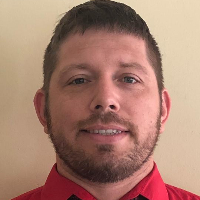
Richard Rodgers
Veteran LCSW focused on recovery
Start with Richard RodgersLicensed · Professional · Cancel Anytime

Veteran LCSW focused on recovery
Start with Richard RodgersLicensed · Professional · Cancel Anytime
Richard Rodgers is an Afghanistan veteran who began his path into mental health after returning from service with the Army National Guard. Seeing friends struggle with substance use, depression, and post-traumatic stress motivated him to focus his professional life on supporting veterans and others facing difficult transitions.
He holds a bachelor’s degree in Community Health and completed a Master of Social Work. Becoming a Licensed Clinical Social Worker required five years of dedicated training and supervision, and he now practices as an LCSW in both Indiana and Illinois. Over roughly 10 years in the mental health and addiction field, Richard has worked in military settings as well as inpatient and outpatient programs. Although his primary specialization is addiction, he also brings substantial experience treating depression, anxiety, and trauma, and he is a Certified Trauma Therapy Professional.
Richard’s approach is personal and holistic, blending talk therapy with evidence-informed techniques such as EMDR, Internal Family Systems, and iRest Yoga Nidra. He adapts interventions to match each person’s needs, whether addressing substance use, PTSD, or the aftermath of abuse. He prioritizes listening and understanding a client’s perspective, then collaborates to create a practical plan for change that emphasizes empowerment and resilience.
Recognizing that every recovery looks different, Richard offers a range of support—from being a listening presence to providing structured therapeutic work. He helps clients navigate relationship challenges, career stresses, parenting issues, and other life difficulties, and he has experience working with people who have criminal backgrounds.
Outside of practice, Richard values time with family and pets and enjoys attending sporting events and concerts. Maintaining that balance helps him stay grounded and bring compassion and empathy to his clinical work. He is committed to meeting clients where they are and to creating a space in which healing, growth, and positive change are possible.
Many people wonder whether connecting with a therapist remotely can truly help. For common concerns such as stress, anxiety, depression, relationship difficulties, and adjusting to life changes, research and clinical practice indicate that online therapy is comparable in effectiveness to traditional in-person care for most typical issues.
One of the clearest benefits is flexibility - clients can engage in sessions in the format that best fits their life and comfort level, whether that means video appointments, phone calls, live chat, or in-app messaging. This range of options makes it easier to maintain consistency and to fit therapy into busy schedules.
Therapists who provide online services are licensed professionals, and if a different therapeutic fit is desired, clients have the option to switch providers. Online therapy can be an accessible and practical way to address common mental health concerns while maintaining the same professional standards you would expect from face-to-face care.