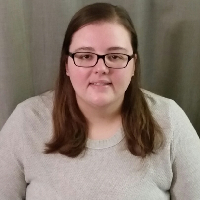
Reegan Koppelman
Trauma-informed Florida counselor
Start with Reegan KoppelmanLicensed · Professional · Cancel Anytime

Trauma-informed Florida counselor
Start with Reegan KoppelmanLicensed · Professional · Cancel Anytime
Reegan Koppelman is a licensed mental health counselor practicing in Florida with eight years of clinical experience. She completed her master’s degree in Mental Health Counseling from Seton Hall University in 2014 through their online program and has worked with a broad range of concerns across outpatient clinic and online settings.
Her early clinical work took place in an office-based clinic that treated both mental health and substance use disorders. In 2017 she shifted much of her practice to an online format to better reach the LGBTQIA+ community and women who have experienced trauma, including childhood trauma. She identifies as trauma aware and continues to pursue additional trainings to deepen her trauma-focused skills.
Reegan’s foundational approaches include Cognitive Behavioral Therapy (CBT) and motivational interviewing (MI), and she often adopts a person-centered style that prioritizes rapport and a strong therapeutic relationship. She tailors interventions to meet clients where they are, integrating other modalities as needed to address presenting concerns.
Her clinical experience covers anxiety, depression, LGBTQIA+ issues, coping and stress management, substance use and related concerns, trauma-related work, nervous system dysregulation, chronic illness support, relationship and family conflicts, grief, parenting and intimacy-related issues, self-esteem and career difficulties, as well as mood and attention conditions such as bipolar disorder and ADHD. She is neurodivergent-affirming and is expanding her education in that area while offering an open, exploratory space for clients who suspect they may be neurodivergent.
Reegan recognizes that life can feel judgmental and challenging, and she focuses on helping people develop coping skills, manage life’s curve balls, and reconnect with themselves. She often communicates with clients via the platform’s message boards and maintains frequent chat contact there. Prospective clients should check afternoon live time slots for appointments, and she is seeking a few longer-term chat or phone clients for evening sessions; she is open to clients who prefer to communicate primarily on the boards.
For many common concerns – including stress, anxiety, depression, relationship challenges, and major life transitions – online therapy can be an effective alternative to face-to-face sessions. Research and clinical practice show that, for these typical issues, remote therapy often yields outcomes comparable to traditional in-person care.
One of the main benefits is convenience and flexibility. Clients can choose the format that fits their needs and comfort level, whether that is video sessions, phone calls, live chat, or in-app messaging. This range of options makes it simpler to integrate therapy into a busy life.
Therapists offering online care are licensed professionals, and clients have the option to switch providers if they feel a different fit would be beneficial. Online therapy can be a practical, accessible step for many people seeking support for everyday mental health concerns.