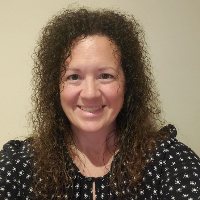
Rachel DiPippo
Compassionate, experienced Rhode Island counselor
Start with Rachel DiPippoLicensed · Professional · Cancel Anytime

Compassionate, experienced Rhode Island counselor
Start with Rachel DiPippoLicensed · Professional · Cancel Anytime
Rachel DiPippo holds a Master of Arts in Clinical Mental Health Counseling and brings 22 years of professional experience to her therapeutic work. She has spent more than 15 years working with individuals, couples, and families in a variety of settings, addressing a broad range of concerns.
Presenting issues Rachel commonly treats include stress and anxiety, addictions, relationship and parenting difficulties, depression, family conflicts, trauma and abuse, grief, intimacy-related concerns, eating disorders, anger management, self-esteem struggles, career-related problems, bipolar disorder, coping with life changes, compassion fatigue, and ADHD.
Her clinical approach is tailored to each client’s needs, with goals established collaboratively. Rachel draws from Cognitive Behavioral Therapy, Trauma-Focused Therapy, client-centered methods, Mindfulness-based approaches, Motivational Interviewing, and Dialectical Behavioral techniques to support change and growth.
Rachel sees her role as accompanying clients through their healing, encouraging thoughtful exploration of the factors that drive unwanted behaviors, thoughts, and emotions, and helping clients discover practical steps to reach their goals. She aims to provide a safe, supportive, and compassionate space where people can develop the tools needed to move toward greater emotional freedom. Rachel is a licensed mental health counselor in Rhode Island, with her state license recorded as MHC00525, and she welcomes the opportunity to walk alongside clients in their journey.
Many people ask whether online therapy can truly help. For common concerns such as stress, anxiety, depression, relationship challenges, or navigating life changes, online therapy has been shown to be comparable to traditional in-person care for effectiveness.
One major advantage of remote sessions is flexibility. Clients can connect in the way that suits them best - video calls, phone sessions, live chat, or in-app messaging - which can make it easier to integrate therapy into a busy schedule.
Therapy delivered remotely is provided by licensed professionals, and if someone decides they would like a different therapeutic fit, they may switch therapists at any time. This approach aims to make mental health support more accessible while preserving the core therapeutic benefits of regular sessions.