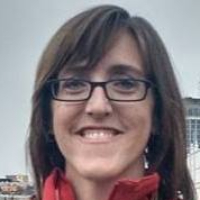
Michelle McHugh
Experienced clinical social worker for lasting change
Start with Michelle McHughLicensed · Professional · Cancel Anytime

Experienced clinical social worker for lasting change
Start with Michelle McHughLicensed · Professional · Cancel Anytime
Michelle McHugh is a licensed clinical social worker practicing in Alabama and Arkansas. She earned a Master of Social Work from New York University and began her professional career more than two decades ago, accumulating 23 years of experience in mental health care.
Her clinical background spans inpatient addiction rehabilitation, inpatient psychiatric facilities, and outpatient mental health clinics. Over the years she has developed focused expertise working with a wide range of concerns including stress, anxiety, addictions, LGBTQIA matters, trauma and abuse, depression, relationship issues, grief, sleeping disorders, self-esteem struggles, bipolar disorder, and coping with life changes.
She has particular experience with substance use disorders, codependency, and shame reduction. In addition to her civilian practice, Michelle has more than 11 years of active service in the Army National Guard as a Behavioral Health Officer, and she has spent the past 8 years working with active Guard soldiers as well as military veterans from all branches.
Michelle McHugh’s counseling style is collaborative and client-focused, with an emphasis on avoiding stigmatizing language or labels. Her therapeutic approach blends cognitive-behavioral techniques with mindfulness practices and 12-step recovery principles, and it also incorporates elements of dialectical behavior therapy and motivational interviewing. She is trained and certified in two evidence-based trauma treatments—Cognitive Processing Therapy (CPT) and EMDR—and tailors these approaches to each client’s unique needs.
Michelle encourages prospective clients who are ready to pursue meaningful and lasting change to reach out. She welcomes the opportunity to work with individuals seeking support and practical strategies for improvement.
Many people question whether online therapy can produce meaningful results. For a range of common concerns - including stress, anxiety, depression, relationship challenges, and navigating life changes - research and clinical experience indicate that online therapy can be as effective as traditional in-person care.
An important advantage of remote care is flexibility. Clients can connect with licensed professionals in whichever format best suits them: video sessions, phone calls, live chat, or in-app messaging. That flexibility often makes it easier to incorporate therapy into a busy schedule.
Sessions are provided by licensed professionals, and clients who prefer a different therapeutic match are able to switch therapists at any time. For many people, online therapy offers an accessible and practical route to consistent support and progress.