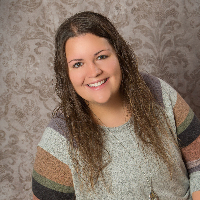
Margaret Buchholz
Person-centered clinical social worker
Start with Margaret BuchholzLicensed · Professional · Cancel Anytime

Person-centered clinical social worker
Start with Margaret BuchholzLicensed · Professional · Cancel Anytime
Margaret Buchholz is a licensed clinical social worker practicing in Minnesota who brings eight years of experience in mental health care. She began her career after graduating from Southwest Minnesota State University in 2014, working at a residential treatment center, and went on to complete a Master of Social Work at the University of South Dakota in 2016.
Following graduate school she spent a brief period working in a hospital setting before joining an outpatient mental health clinic in Southwest Minnesota, where she has continued to work. Over the years she has supported people facing a wide range of concerns, including depression, anxiety, ADHD, OCD, trauma and abuse, bullying, relationship and family conflicts, parenting challenges, addiction, grief, life adjustments, and teen-related issues.
Her approach is person-centered and intentionally relaxed, aiming to create a non-threatening environment and a strong therapeutic relationship. She meets clients where they are and focuses on the issues they find most pressing. She primarily uses Cognitive Behavioral Therapy, a short-term, goal-oriented method that helps clients identify and change unhelpful thinking and behavior patterns; this approach may include gently challenging thought processes and actions when appropriate.
Margaret holds licensure to practice clinical social work in both Minnesota and Nevada, meaning she has met state requirements to provide professional therapeutic services. She values treating people with respect and compassion, and she is committed to tailoring treatment to each person’s needs and goals.
Reaching out for help is a significant step, and Margaret recognizes that decision. She considers it an honor to assist people as they work toward their goals and welcomes the opportunity to begin that process.
Many people wonder whether online therapy can truly help. For common concerns such as stress, anxiety, depression, relationship difficulties, or adapting to life changes, remote therapy has been found to be similarly effective to traditional in-person care for most people.
A major benefit is flexibility. Clients can choose the format that fits their life and comfort level - video sessions, phone calls, live chat, or in-app messaging - making it easier to attend appointments around work, family, and other commitments.
Another advantage is access to licensed professionals who provide the same therapeutic approaches used in face-to-face work, and clients may switch therapists if they feel a different fit would be better. Overall, online therapy can offer a practical, accessible way to get help for everyday mental health concerns while fitting treatment into a busy life.