
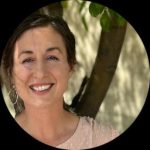
Holistic Jungian therapist specializing in trauma and relationships
I am licensed professional counselor (LPC) in Colorado (since 2011), and received my M.A. in Counseling from Colorado Christian University. Although I have experience providing therapy around a variety of issues, my areas of focus include grief and loss, depression, & transitions/life changes. I’m also passionate about working with clients around compassion fatigue, an issue many of us in service and caretaking-related fields experience at some point.
It is my strong belief that we, as humans, were designed to connect, to be seen and known fully, but isolation and brokenness are often the reality. Augustine wrote about “the unobserved life,” referring to the cruciality of self-reflection. I am here to facilitate a more observed life for the purpose of deeper self-awareness, insight into our own strengths and weaknesses, a greater sense of purpose and direction, as well as cultivating empathy and understanding for others. Pain and sorrow are often the means by which we grow. Rather than offering a band aid or “feel better fast” approach, which, I believe, is antithetical to the deep soul work we actually need, I will walk alongside you in your pain, whatever that pain may look like. Research shows that the modality of a therapist matters much less in terms of treatment outcomes than the quality of relationship between therapist and client. As such, I implement an eclectic approach, often using aspects of several different models including CBT, DBT, and existential therapy, but believe the most poignant and lasting change occurs as a result of the genuine human connection found in the therapeutic relationship.
I look forward to working with you!
Licensed · Professional · Cancel Anytime
Marcia Farlow is a Colorado-licensed professional counselor, holding the credential CO LPC LPC.0011845 and having earned an M.A. in Counseling from Colorado Christian University. She brings focused clinical attention to grief and loss, depression, and life transitions, and is especially committed to addressing compassion fatigue experienced by those in service and caregiving roles.
She practices from a faith-informed perspective and identifies as a female, Christian, conservative therapist. Her approach emphasizes meaningful human connection and deeper self-awareness rather than quick fixes – she aims to help clients become more observed in their lives, drawing on Augustine’s reflection on “the unobserved life” to highlight the role of self-reflection in growth.
Rather than offering surface-level remedies, she walks alongside clients through pain and sorrow, viewing those experiences as potential catalysts for insight and change. She uses an eclectic mix of therapeutic methods, including cognitive behavioral therapy (CBT), dialectical behavior therapy (DBT), and existential therapy, while holding that the quality of the therapeutic relationship is the primary driver of lasting progress.
She welcomes the opportunity to work with clients who are navigating loss, depression, transitions, or the strain of caregiving, and seeks to provide a steady, compassionate presence throughout the therapeutic process.
Research and experience show that remote therapy can be effective for many common concerns, including stress, anxiety, depression, relationship challenges, and life transitions. For those presenting these issues, online sessions often produce outcomes comparable to traditional in-person therapy.
An important advantage is flexibility – clients can connect with a therapist in the format that works best for them, whether by video call, phone session, live chat, or in-app messaging. This adaptability makes it easier to fit consistent care into a busy life.
All participating therapists are licensed professionals, and clients may change therapists at any time if they prefer a different fit. Online therapy can therefore provide both effective clinical support and the convenience needed to sustain progress over time.
© All rights reserved.