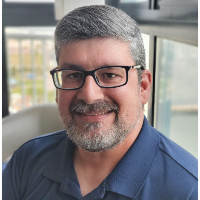
John Daughtrey, MD, LCSW-C, LCSW has spent more than 15 years on a path focused on helping people move toward healthier, more fulfilling lives. Across his work with children, youth, and adults, he has provided a range of therapy services designed to support individuals through difficult seasons, stressful transitions, and moments that feel overwhelming. He approaches care with a steady focus on well-being and aims to equip clients with practical tools they can use to meet challenges with greater clarity and resilience.
In his clinical work, John integrates brain and body-based methods, with EMDR (Eye Movement Desensitization and Reprocessing) as a primary modality. EMDR is grounded in the Adaptive Information Processing model and draws on ideas related to neuroplasticity, or the brain’s ability to form new connections over time. Using eye movements and other forms of bilateral stimulation such as tapping, EMDR helps the brain work through memories and experiences that can feel stuck, so they can be updated with more adaptive information. John uses this approach not only for major traumatic events such as car accidents, but also for a wide range of concerns that may be rooted in past experiences or shaped by present and future worries, including PTSD, trauma, depression, anxiety, and issues such as religious abuse, shame, guilt, and pain management.
Therapeutic approaches that translate well to online care
John Daughtrey draws from approaches that help clients build insight, emotional steadiness, and practical skills, and these methods can be used effectively in online sessions.
EMDR (Eye Movement Desensitization and Reprocessing) is a structured approach that uses bilateral stimulation, such as guided eye movements or tapping, to help the brain process memories or experiences that feel stuck. It is often used when past experiences continue to affect the present, including symptoms related to trauma, anxiety, or persistent distress.
Acceptance and Commitment Therapy (ACT) focuses on noticing difficult thoughts and feelings without getting pulled into a struggle with them. It helps clients clarify values and take workable steps toward the life they want, which can be especially useful for stress, anxiety, and life transitions.
Mindfulness Therapy strengthens the ability to stay present with what is happening right now, with more awareness and less reactivity. Over time, this can support better emotion regulation and improved coping during challenging moments.
Finding the right approach is part of the process. John works collaboratively with clients to choose strategies that fit their goals, preferences, and current needs, adjusting as therapy unfolds.
Online therapy offers flexibility through video calls, phone sessions, live chat, or text-based messaging, making it easier to stay consistent with support even with a busy schedule or changing routines.
How much experience does John Daughtrey have?
John Daughtrey has 6 years of experience providing therapy services.
Is John Daughtrey a licensed therapist?
Yes. John Daughtrey holds the credentials MD, LCSW-C, and LCSW. License details: MD LCSW-C 32983 and VA LCSW 0904013432.
In which languages does John Daughtrey provide therapy?
John Daughtrey provides therapy in English.
Where is John Daughtrey located?
John Daughtrey is located in Maryland.
How can I work with John Daughtrey as my therapist?
Sessions can take place through video calls, phone sessions, live chat, or text-based messaging, allowing you to choose the format that fits your needs and schedule.
Does John Daughtrey work with international clients?
No. John Daughtrey does not currently work with international clients.
How much does therapy with John Daughtrey cost?
The cost of therapy can vary based on factors such as your location and the therapist’s availability. Sessions are billed through a subscription that can be canceled at any time, for any reason. For current details, click the “Start Therapy” button on this page.
How can I get started with therapy?
Getting started is quick and straightforward. Click the “Start Therapy” button and complete a short questionnaire to help match you with your therapist. Depending on availability, you can then schedule your first session, which may take place by phone, video call, live chat, or in-app messaging.