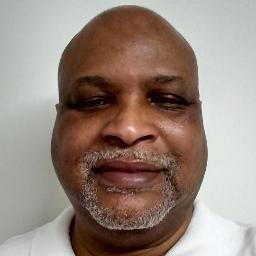
James S. Campbell is a veteran social worker with decades of service in the District of Columbia and a long-standing commitment to supporting children, families, and communities. He earned a Liberal Arts degree in Sociology from Howard University in 1987, followed by a Master of Social Work (MSW) from Howard University in 1989. As an LICSW, he brings advanced clinical social work training and licensure to his practice.
Over 23 years at the Child and Family Service Agency in Washington, DC, James built extensive experience across multiple levels of care and leadership, serving as a Supervisor, Program Manager, and Administrator. His work has emphasized practical support, consistent guidance, and a deep understanding of the systems that impact individual and family well-being.
In the final six years of his government career, he worked with the District’s Department of Behavioral Health in the School Mental Health Program, continuing his focus on accessible mental health support within community settings. After retiring from the District of Columbia government following 30 years of service, he has continued his professional work as a Clinic Director for a mental health agency and as a contract therapist. He also shares his fatherhood initiative, Boys to Men and Men to Gentleman, through conferences and workshops around the country.
Therapeutic Tools That Translate Well to Online Sessions
James Campbell draws from evidence-informed approaches that can be used effectively in online therapy. Cognitive Behavioral Therapy (CBT) focuses on identifying unhelpful thought patterns and practicing new ways of responding, which can be especially useful when stress, anxiety, depression, or self-esteem concerns begin to shape daily life. Mindfulness Therapy helps clients build awareness of thoughts, feelings, and body sensations in the moment, supporting steadier coping during intense emotions, grief, or life transitions. Motivational Interviewing is a collaborative, goal-oriented style that helps people explore ambivalence and strengthen follow-through, which can be helpful when working on behavior changes related to addictions or personal growth.
Because no single approach fits everyone, James works with clients to clarify goals and preferences and then adjust the focus over time. The process is collaborative, with space to reflect on what is working, what feels uncomfortable, and what support would be most useful right now.
Online therapy also offers practical flexibility. Sessions can happen through video calls or phone, and support may also be available through live chat or text-based messaging. These options can make it easier to stay consistent with therapy while balancing work, family responsibilities, and shifting schedules.
How much experience does James Campbell have?
James Campbell has 10 years of experience.
Is James Campbell a licensed therapist?
Yes. James Campbell is a licensed clinical social worker (LICSW). His District of Columbia license is DC LICSW LC302442.
In which languages does James Campbell provide therapy?
James Campbell provides therapy in English.
Where is James Campbell located?
James Campbell is located in the District of Columbia.
How can I work with James Campbell as my therapist?
You can work with James Campbell through video calls, phone sessions, live chat, or text-based messaging, depending on what fits your needs and what is available.
Does James Campbell work with international clients?
No. James Campbell does not currently work with international clients.
How much does therapy with James Campbell cost?
The cost of therapy can vary depending on factors such as your location and the therapist's availability. Sessions are billed through a subscription that can be canceled at any time, for any reason. For current details, just click the "Start Therapy" button on this page.
How can I get started with therapy?
Getting started with therapy is quick and straightforward. Click the "Start Therapy" button and complete a short questionnaire that helps match you with your therapist. Depending on availability, you can then schedule your first session, which may take place by phone, video call, live chat, or in-app messaging.