
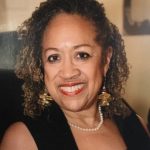
Holistic Jungian therapist specializing in trauma and relationships
My counseling activities began with working with ex-offenders and ex-addicts who were seeking jobs. Clients’ issues ranged from job seeking skills to self-esteem issues, to appropriate job-related functions. I then moved on to university counseling, where my skills were applied to students who were struggling to effectively complete classes and move on. In some cases, career decisions changed or needed to be explored. I then moved to community college counseling, where issues included homelessness, prostitution, self-esteem, post-war trauma, career clarification, single parenthood, feelings of worthlessness, and many other areas. I had success with these clients, despite carrying a huge caseload and fighting burnout. Upon completion of my PhD, I became an administrator and used my counseling skills to supervise staff and departments, teach and model effective communication skills and problem-solve. In all of these roles, listening was my most effective skill. I strongly believe that every person deserves a counselor who will give them unconditional positive regard, the watchwords of client-centered counseling. Clients should also know that I believe in the healthy personality, that individuals, when provided support and options, will forge their way forward and solve their issues and continue with new life skills to use. I would consider myself a holistic person in that I believe that all aspects of the psyche and body work together — health, spirit, mental wellness, sexuality, exercise and self care all come together to create the person working to become. I believe we are all becoming. When I opened my counseling practice, I was focused on diversity consulting and community health and wellness. I believe that communities need counseling, too. I also had a small clientele, most of whom were experiencing some form of depression based on marital issues, a sense of being overwhelmed, and/or needing support in making some health and diet changes. In addition to individual counseling, I also conducted various forms of counseling groups. My group work is a strength over the course of my career. Most recently I conducted a workshop for teachers on LGBTQ legal and social issues, and found that a great deal of individual counseling could have been incorporated with that group going forward. So much to do, so little time.
Licensed · Professional · Cancel Anytime
Dr. Blandina Rose-willis is a Michigan-based counselor who holds a doctoral degree and practices as a licensed professional in the state. She has three years of clinical experience working with diverse populations and concerns.
Her counseling career began supporting ex-offenders and former addicts who were seeking employment. In that role she helped clients develop job-seeking skills, address self-esteem concerns, and learn appropriate workplace behaviors.
She later worked in university counseling, applying her skills with students who struggled to complete courses or who needed to explore or change career paths. After that she moved into community college counseling where the caseload included issues such as homelessness, prostitution, post-war trauma, single parenthood, career clarification, feelings of worthlessness, and a range of self-esteem and life-stress concerns.
Despite carrying a large caseload and encountering burnout at times, Dr. Rose-willis reports successful outcomes with many clients. Following completion of her PhD she transitioned into administration, using her counseling background to supervise staff, teach, model effective communication, and assist with problem-solving across departments.
Listening is central to her approach. She emphasizes unconditional positive regard and client-centered principles, believing that with support and options most individuals will move forward, address their challenges, and develop new life skills. Her perspective is holistic – she sees mental health as interconnected with physical health, spirit, sexuality, exercise, and self-care.
When she opened her private practice she focused on diversity consulting and community health and wellness. Her small caseload included many clients experiencing depression related to marital difficulties, overwhelming life circumstances, or the need for guidance in health and diet changes. In addition to individual work she has conducted various counseling groups, and she considers group work a consistent strength.
Most recently she led a workshop for teachers on LGBTQ legal and social issues and observed opportunities to integrate more individual counseling alongside group education. Dr. Rose-willis brings a combination of practical experience, teaching and administrative skills, and a commitment to client-centered, holistic care.
Many people wonder whether online therapy truly helps. For common concerns – such as stress, anxiety, depression, relationship difficulties, or life transitions – online therapy has been shown to be comparable in effectiveness to traditional in-person care.
One major benefit is flexibility. Clients can connect in the way that suits them best – video calls, phone sessions, live chat, or in-app messaging – which often makes it easier to fit care into a busy schedule.
Therapists who provide online services are licensed professionals, and clients have the option to change therapists if they want a different fit. This adaptability, together with evidence of effectiveness for typical concerns, makes online therapy a practical choice for many people seeking support.
© All rights reserved.