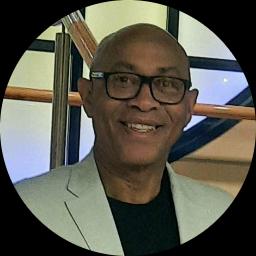
Waverley Young
Experienced integrative counsellor and CBT therapist
Start with Waverley YoungLicensed · Professional · Cancel Anytime

Experienced integrative counsellor and CBT therapist
Start with Waverley YoungLicensed · Professional · Cancel Anytime
Waverley Young is an accredited Cruse Bereavement Counsellor, an Integrative Counsellor and a Cognitive Behavioural Therapist with over 15 years of professional experience. He is a member of the British Association for Counselling and Psychotherapy (BACP) and has supported people facing anxiety, depression, grief, trauma, low self-esteem, social anxiety and relationship difficulties.
His career has included roles in Local Authorities, children’s services, private practice and charitable organisations focused on adoption and fostering. He has worked directly with looked-after children and their families, and with young adults who have transitioned out of the care system.
Waverley has worked as a foster carer, family worker and private practitioner, offering counselling both one-to-one and in group settings. He also provides clinical supervision to other counsellors and therapists, supporting ethical practice and professional development.
His formal qualifications include a Diploma in Counselling and Psychotherapy, a Diploma in Clinical Counselling Supervision and a Diploma in Cognitive Behavioural Therapy. He is an accredited Cruse Bereavement Counsellor and holds NVP Level 3 and 4 qualifications in Children and Young People. He has undertaken further training in areas such as diversity, relationships, substance misuse, eating disorders, anxiety, depression and sexual orientation.
Waverley adopts an integrative approach that helps clients identify and overcome psychological barriers, strengthen relationships with themselves and others, and work towards greater self-awareness and well-being.
For many common concerns such as stress, anxiety, depression, relationship challenges or navigating life changes, online therapy can be as effective as traditional in-person sessions. Research and practice indicate that for these typical issues, remote therapy offers outcomes comparable to face-to-face work.
One major benefit is practical flexibility - people can connect in the way that suits them best, whether by video calls, phone sessions, live chat or in-app messaging. This range of options makes it easier to fit therapy into a busy schedule or to access support from a different location.
All sessions are delivered by licensed professionals, and if a different therapeutic fit is needed clients are able to switch therapists. For many individuals, online therapy provides an accessible, effective way to begin or continue their mental health work.