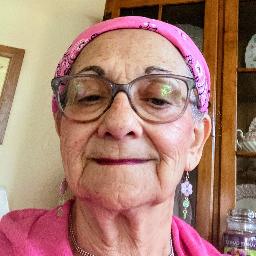
Suzanne Tyghter, LCSW, brings 19 years of clinical experience to her Connecticut practice. She focuses on helping people manage stress, anxiety, depression, grief, and challenges within family relationships. Her work often addresses life transitions such as divorce and caregiver strain, and she assists clients who are coping with guilt, shame, isolation, and struggles with self-esteem and self-love.
Suzanne uses a collaborative, client-centered stance that emphasizes each person’s strengths and existing resources. She integrates Cognitive Behavioral Therapy techniques to help clients identify and shift unhelpful thought patterns while also fostering improved communication and interpersonal skills. Her approach supports practical coping strategies alongside deeper exploration of values and relational dynamics.
Available to people seeking support in Connecticut, Suzanne’s practice offers focus on both immediate concerns and longer-term personal growth. She aims to create a respectful space where clients can examine painful emotions, rebuild connections, and develop clearer pathways forward.
Client-Centered Therapy guides Suzanne’s online work by prioritizing the client’s perspective and goals. In this approach she listens for each person’s priorities and offers a collaborative stance that honors individual strengths. Sessions are paced according to what the client finds most useful, with emphasis on building practical insight and clearer communication.
Cognitive Behavioral Therapy is used alongside that client-centered foundation to identify thinking patterns and develop actionable strategies for managing stress, anxiety, and mood concerns. CBT techniques can include examining automatic thoughts, testing assumptions, and practicing new skills between sessions to support day-to-day functioning.
Suzanne offers several ways to connect including video calls, phone sessions, live chat, and text-based messaging. These options allow clients to choose the format that fits their needs while working on issues such as family conflict, caregiver stress, grief, or self-esteem challenges. The online format is presented as a way to maintain collaborative momentum between in-person alternatives.
How many years has Suzanne been practicing?
Suzanne has 19 years of clinical experience as a licensed social worker.
What are her professional credentials and license details?
She is licensed as an LCSW. License: CT LCSW 006901.
Which languages does she use in sessions?
Sessions are provided in English.
Where is Suzanne located?
She practices in Connecticut.
What ways can clients work with her online?
Clients may connect by video calls, phone sessions, live chat, or text-based messaging.
Does she accept international clients?
The profile indicates she is not accepting international clients.
How is cost handled?
Cost varies by location and therapist availability; sessions use a subscription that can be canceled at any time.
How do I get started with Suzanne?
Begin by using the Start Therapy button and completing a short matching questionnaire to initiate the connection.