About
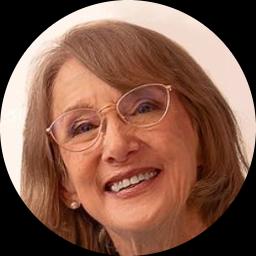
Sally Hazard, LMFT, brings 21 years of clinical practice to her teletherapy work. She has worked in Orlando, San Diego, and Reno and has clinical experience in a variety of settings, including group homes, counseling agencies, work with foster children and teens, and at the University of Nevada, Reno counseling center with college students. Her license information includes NV LMFT 1037-R and CA LMFT MFC42180.
Sally concentrates on stress, anxiety, relationship concerns, trauma and abuse, self esteem, and depression, and she addresses related areas such as attachment issues, communication problems, guilt and shame, isolation and loneliness, mood disorders, post-traumatic stress, self-love, social anxiety and phobia, and workplace issues. She uses Client-Centered Therapy, Cognitive Behavioral Therapy, Eye Movement Desensitization and Reprocessing, and Internal Family Systems in her work. She offers all services via teletherapy and notes she can adapt EMDR for remote delivery, use a modified sandtray approach, and include some online games when appropriate. She has worked with all ages, diverse cultures, people with neurodivergent minds, and those with various sexual preferences, and she frames therapy around the belief that people have an innate capacity to heal and grow.
Teletherapy approaches and what to expect
Sally provides therapy exclusively through remote sessions and uses a combination of approaches tailored to the client. Cognitive Behavioral Therapy is offered to help identify and reframe patterns of thought and behavior related to stress, anxiety, mood disorders, and relationship difficulties. Internal Family Systems is used to explore internal parts and promote greater self-understanding and self-compassion.
For trauma and abuse, she includes Eye Movement Desensitization and Reprocessing adapted for telehealth and a modified sandtray technique, with the option to integrate some online interactive activities. These methods are presented in a collaborative way so that the choice of tools and pacing reflect the client’s preferences and needs.
Sessions are available by video, phone, live chat, or text-based messaging, allowing clients to choose the format that fits their circumstances and comfort. Communication about format and approach happens early so the therapeutic plan can be shaped together.What is Sally Hazard's clinical experience?
Sally Hazard has 21 years of experience as a licensed marriage and family therapist working in multiple clinical settings and geographic locations.
What are her professional credentials?
She is an LMFT. License details include NV LMFT 1037-R and CA LMFT MFC42180.
Which languages does she offer therapy in?
Therapy is offered in English.
Where is Sally located?
Her location is Nevada.
How can clients work with her remotely?
She offers video calls, phone sessions, live chat, and text-based messaging as ways to work together.
Does she accept international clients?
No. This profile indicates she is not accepting international clients.
How does cost and payment work?
Cost varies by location and therapist availability. Sessions use a subscription model that can be canceled at any time.
How do I get started?
To begin, use the Start Therapy button and complete a short matching questionnaire to connect with her services.