About
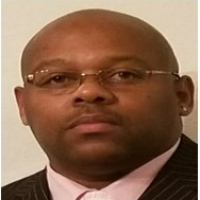
Paul Clark, LICSW, LCSW, is a clinical social worker who holds a Bachelor and Master of Social Work from Norfolk State University. He is licensed in Virginia and draws on a background that includes 20 years of active duty service as a retired Chief Petty Officer and roots in the Washington, D.C. area. He recognizes and embraces difference and ethnic diversity in his work.
He has worked with a range of concerns such as depression, anxiety, relationship issues, and stresses related to life changes. His listed specialties include stress, addictions, grief, career questions, anger, self esteem, and family matters, as well as specific focuses such as veteran and armed forces issues, communication problems, forgiveness, guilt and shame, and self-harm.
Clark’s approach blends multiple therapeutic models including Solution Focus, Cognitive Behavioral Therapy, Motivational Interviewing, Narrative Therapy, Mindfulness, Acceptance and Commitment Therapy, Emotionally-Focused Therapy, and the Gottman Method. He describes his counseling style as warm, interactive, and straightforward, and aims to collaborate with people to tailor dialog and treatment planning while building on what is already working for each individual.
Remote sessions and therapeutic focus
Paul Clark conducts remote sessions that can be scheduled as video calls, phone sessions, live chat, or text-based messaging. These options are intended to make regular contact and ongoing work manageable for people navigating busy schedules or geographic distance.
He integrates Cognitive Behavioral Therapy to help identify and shift patterns of thinking and behavior, and Acceptance and Commitment Therapy to explore values and present-moment choices. Client-Centered Therapy is also part of his approach, emphasizing collaboration and tailoring conversations and plans to each person’s priorities. For couples and relationship concerns, elements of the Gottman Method and Emotionally-Focused Therapy may be used to address interaction patterns and emotional connection.
Those who prefer a collaborative, practical process may find this mix of structured tools and client-centered dialogue a fit. Remote formats are used for ongoing work, with the specific combination of approaches and modes of communication chosen together during initial planning.What is Paul Clark's clinical experience?
He has ten years of clinical experience as a licensed practitioner, and his background includes 20 years of active duty military service as a retired Chief Petty Officer.
What credentials and licenses does he hold?
He holds LICSW and LCSW credentials. License details provided are DC LICSW LC200001647 and AZ LCSW LCSW-21787.
Which languages does he work in?
The profile indicates he offers services in English.
Where is he based?
Paul Clark is located in Virginia.
How can people work with him remotely?
He offers video calls, phone sessions, live chat, and text-based messaging as communication options.
Does he accept clients outside the United States?
Yes. The profile states he is accepting international clients.
What should I expect regarding cost?
Cost varies by location and therapist availability. Sessions use a subscription that can be canceled at any time.
How do I get started with him?
Begin by using the Start Therapy button and completing a short matching questionnaire.