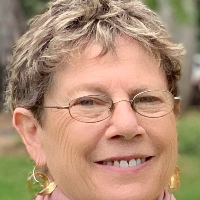
Patricia Lehr
Compassionate LCSW with 40 years
Start with Patricia LehrLicensed · Professional · Cancel Anytime

Compassionate LCSW with 40 years
Start with Patricia LehrLicensed · Professional · Cancel Anytime
Patricia Lehr is a licensed clinical social worker who practices in California and Washington. She holds a Master of Social Work from Washington University in St. Louis and a Master of Education from the University of Texas at San Antonio. In California she carries an LCSW credential (license number LCSW86085).
With 40 years of professional experience, Ms. Lehr has spent the past thirty years providing therapy and mediation in private practices, schools, juvenile courts, and community health organizations. She has worked with clients across the lifespan, including children, adolescents, young adults, families, and older adults from diverse backgrounds.
Her clinical focus includes parenting issues delivered individually or in groups, play therapy for children addressing friendships and grief, and support for the social needs of autistic children. With teens and young adults she concentrates on relationships, anger management, and career decision-making. She also addresses concerns common to older adults aged 65 and up, such as loneliness and depression, and provides care for stress, anxiety, self-esteem challenges, relationship and family conflicts, grief, depression, compassion fatigue, and ADHD.
Ms. Lehr brings a compassionate, experienced approach that blends multiple therapeutic methods. She meets clients where they are, offers space to explore personal strengths and experiences, and helps them develop practical tools and skills to improve daily functioning, self-esteem, and relationships. She aims to create a supportive, nurturing environment that enables individuals and families to work through their challenges and move toward their goals.
Many people want to know whether meeting with a therapist online will truly help. For common concerns such as stress, anxiety, depression, relationship difficulties, or navigating life transitions, online therapy has been found to be comparable in effectiveness to traditional in-person work for most people.
One major benefit is convenience - clients can connect in the format that works best for them, whether through video sessions, phone conversations, live chat, or in-app messaging. This flexibility makes it easier to integrate therapy into a busy schedule and maintain continuity of care.
Sessions are provided by licensed professionals who offer evidence-based support and practical strategies tailored to individual needs. If the therapeutic relationship ever does not feel like the right fit, clients have the option to switch therapists to find a better match.