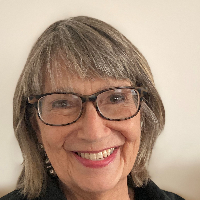
Patricia Manning
Compassionate guidance for growth and healing
Start with Patricia ManningLicensed · Professional · Cancel Anytime

Compassionate guidance for growth and healing
Start with Patricia ManningLicensed · Professional · Cancel Anytime
Patricia Manning is a Licensed Professional Counselor who practices in Oregon and holds professional counseling licenses in both South Carolina and Oregon. She brings 11 years of experience providing therapy and works with concerns such as stress, anxiety, family conflict, trauma and abuse, parenting challenges, self-esteem, relationship difficulties, grief, intimacy-related issues, anger management, career struggles, depression, coping with life changes, compassion fatigue, and ADHD.
While studying psychology at Wofford College, forty-three years ago Patricia began working with children and families affected by violence in Upstate South Carolina. Her early roles included work as a child protection worker and positions in permanency planning and adoption services.
Over the years she continued supporting children, adolescents, and their parents across a range of settings, including foster care, residential treatment facilities, psychiatric hospitals, alternative schools, and a shelter serving people impacted by domestic violence and sexual assault. As her commitment to trauma recovery deepened, she returned to school and earned a Master of Arts in Mental Health Counseling from Webster University in 2008 to further develop her clinical skills.
Patricia’s clinical outlook is rooted in existential philosophy, which frames common human challenges such as loss, responsibility, freedom, and the search for meaning as part of normal development rather than simply as signs of disorder. She pairs this perspective with a biopsychosocial lens that attends to each person’s unique circumstances - including factors like ethnicity, sex, gender identity, physical or biological challenges, and socioeconomic context.
Her practice is client-centered and draws from an eclectic toolkit of evidence-based approaches that are considered best practices. These include Trauma-Focused Cognitive Behavioral Therapy, Dialectical Behavioral Therapy, Narrative Therapy, Family Therapy, Solution-Focused Therapy, and Play Therapy, applied as appropriate to each individual or family.
Patricia approaches her work with deep commitment and a genuine appreciation for getting to know each person. She believes people are resilient and, with support, effective tools, and guided effort, can recover from severe trauma, find balance, and experience joy. She honors each person’s journey while also challenging unhelpful or self-sabotaging patterns, and she welcomes the opportunity to support clients as they build more productive and fulfilling lives.
Many people ask whether remote counseling can truly help. For common challenges such as stress, anxiety, depression, relationship difficulties, or navigating life transitions, online therapy has been shown to be comparable in effectiveness to traditional in-person sessions.
One of the main benefits is flexibility - clients can choose the mode of contact that best fits their life, whether that is video calls, phone sessions, live chat, or in-app messaging. This flexibility often makes it easier to attend sessions consistently and integrate therapy into a busy schedule.
All therapists offering online care are licensed professionals, and clients may switch providers at any time if they feel another clinician would be a better fit. For many people, virtual therapy makes meaningful progress possible without requiring travel or rigid scheduling.