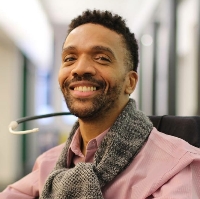
Marcus Johnson
Advocacy-focused therapist and coach
Start with Marcus JohnsonLicensed · Professional · Cancel Anytime

Advocacy-focused therapist and coach
Start with Marcus JohnsonLicensed · Professional · Cancel Anytime
Marcus Johnson is a New Jersey native who has lived in Harlem, New York since 1992. He is an accomplished counselor and therapist who also serves as an advocate and mediator for diverse populations. As a licensed mental health counselor in New York since 2006 and a certified rehabilitation counselor since 2002, he brings 17 years of clinical experience to his work with clients living with trauma, post-traumatic stress disorder, anxiety, depression, and bipolar disorder.
Before entering the helping professions, Marcus studied dance on a full scholarship toward a Bachelor of Fine Arts at The Juilliard School. At age 20 he sustained a spinal cord injury in a motor vehicle accident, an experience he describes as both traumatic and transformative. With the support of family, friends, and faith, he completed three degrees after that injury. He holds two degrees from New York University, including a master’s degree in Rehabilitation Counseling earned in 2002, and later earned a Master of Social Work from Fordham University in 2007.
Marcus spent fifteen years working for a community-based Managed Long-Term Care organization where he served as Director of Advocacy. In that role he honed advocacy and mediation skills assisting adults with physical disabilities and chronic health conditions to access supportive housing, Social Security Administration benefits, Medicaid and Medicare, ACCESS-VR services, and local and state government resources. He now works as an Advocacy Specialist with a Health Home organization, continuing similar advocacy efforts on behalf of recipients.
In clinical sessions Marcus integrates a motivational, collaborative style and uses Motivational Interviewing to help clients explore concerns and move toward change. He provides coaching and mentoring to Christians, members of the LGBTQ+ community, and couples, and his practice addresses a range of issues including eating disorders, sleeping disorders, bipolar disorder, ADHD, addictions, intimacy-related concerns, parenting difficulties, anger management, depression, and compassion fatigue. He invites clients to take the next step when they are ready and looks forward to working with prospective clients.
For many common concerns - such as stress, anxiety, depression, relationship challenges, or life transitions - online therapy can have a meaningful impact. Research and professional experience indicate that for these issues online therapy can be just as effective as traditional in-person sessions.
One of the main benefits is flexibility. Individuals can connect with a therapist in the format that fits their schedule and comfort level - video calls, phone sessions, live chat, or in-app messaging. This flexibility makes it easier to maintain continuity of care and to access support when it is needed.
Each therapist available through online care is a licensed professional, and clients have the option to change providers if they are seeking a different therapeutic fit. For many people, remote therapy removes logistical barriers and creates a practical path to consistent, skillful support.