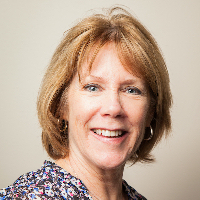
Dr. Kathy Cox
Experienced California clinical social worker
Start with Dr. Kathy CoxLicensed · Professional · Cancel Anytime

Experienced California clinical social worker
Start with Dr. Kathy CoxLicensed · Professional · Cancel Anytime
Dr. Kathy Cox is a California-licensed clinical social worker with three decades of clinical practice supporting adults through a wide range of challenges. She focuses on areas such as stress, anxiety, trauma and abuse, grief, depression, compassion fatigue, addictions, relationship and family conflicts, parenting concerns, anger management, self-esteem, bipolar disorder, coping with life changes, and ADHD.
She aims to build a trusting therapeutic relationship and to understand each person’s specific needs and goals for counseling. Dr. Cox draws on clients’ existing strengths and offers supportive guidance to help them move past obstacles. She has considerable experience working with younger, middle-aged, and older adults facing depressed or anxious moods, anger, grief and loss, relationship difficulties, and secondary traumatic stress or compassion fatigue.
Dr. Cox is trained in trauma-focused cognitive behavioral therapy, and she brings both clinical skill and practical strategies to the work of healing. In addition to her clinical role, she is a semi-retired social work professor and the author of two books - one on social work practice and another on self-care for professional counselors.
Outside of her professional life, Dr. Cox enjoys yoga, swimming, and spending time with her dogs. She is widowed and has three adult children. She looks forward to partnering with individuals who seek support for growth and recovery.
She is a California-licensed clinical social worker, a credential that reflects her training and expertise in clinical social work (license CA LCSW 11270).
For many common concerns - including stress, anxiety, depression, relationship struggles, and major life transitions - online therapy can be just as effective as traditional in-person care. Research and practice have shown that remote therapy works well for these everyday mental health needs.
One major advantage of virtual care is convenience. People can meet with a therapist in the format that suits them best - video sessions, phone calls, live chat, or in-app messaging - which makes it easier to fit therapy into a busy life.
All participating therapists are licensed professionals, and clients may change therapists if they feel another provider would be a better fit. This flexibility helps people find the right therapeutic relationship and access consistent support when they need it.