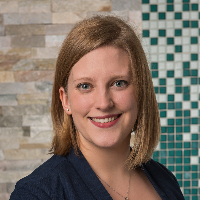
Katherine Bonham
Experienced trauma and addiction counselor
Start with Katherine BonhamLicensed · Professional · Cancel Anytime

Experienced trauma and addiction counselor
Start with Katherine BonhamLicensed · Professional · Cancel Anytime
Katherine Bonham has worked in mental health and addictions since 2010 and has been a licensed clinician since 2013. She practices entirely in Minnesota, with experience spanning communities from Moorhead to Minneapolis. She holds a Bachelor of Arts in psychology and earned a Master of Science in counseling in 2013, including a graduate certificate in addictions studies.
Her earliest work outside the classroom involved research on trauma-informed care in a group therapy setting, and she has pursued ongoing training that supports her identification as a trauma specialist. In addition to her trauma work, she is a licensed alcohol and drug counselor and brings extensive experience treating depression, anxiety, stress management, and life stage transitions.
Katherine is a licensed professional clinical counselor in Minnesota (MN LPCC 1103). She has 13 years of clinical experience and has worked with clients as young as 5 and as old as 97, across nearly every diagnosis and in almost every clinical setting. She emphasizes teaching practical skills clients can use daily and providing clear psychoeducation so people understand what she is doing, why it is being used, and how it will help them specifically.
Outside of work she strives to model healthy habits, making time for regular gym visits, staying connected with friends and family, and enjoying time with her dog and hobbies. She likes trying new recipes and exploring the many green spaces in the Minneapolis-St. Paul area. A former weightlifting coach offered a memorable piece of advice she keeps in mind: “If you can do it for a minute, you can do it for a lifetime.” She welcomes the chance to join people on the journeys they are ready to take.
For many common concerns - including stress, anxiety, depression, relationship challenges, and life transitions - online therapy can be just as effective as traditional in-person care. Research and clinical practice suggest that virtual sessions often deliver comparable outcomes for those issues.
One major benefit of online therapy is convenience. People can connect with licensed professionals in the format that suits them best: video calls, phone sessions, live chat, or in-app messaging. That flexibility makes it easier to fit regular therapy into busy schedules and daily routines.
Online formats also support consistent skill-building and ongoing therapeutic work between sessions. Therapists can teach tools and provide psychoeducation through these channels, enabling clients to practice techniques in real life and bring experiences back to follow-up sessions.
Clients work with licensed professionals, and changing therapists is an option if someone seeks a different fit. For many individuals facing common mental health concerns, online therapy is a practical and effective way to get help while maintaining flexibility in how and when they participate.