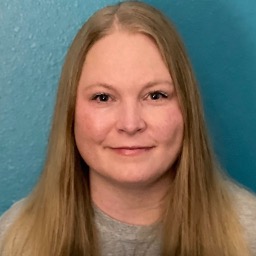
Jenny Wright
Compassionate, practical clinical social work
Start with Jenny WrightLicensed · Professional · Cancel Anytime

Compassionate, practical clinical social work
Start with Jenny WrightLicensed · Professional · Cancel Anytime
Jenny Wright is a Licensed Clinical Social Worker practicing in Missouri who recently earned her independent therapist credential. She has three years of experience providing therapy services and has worked in the mental health field for the past 15 years. She completed a Master of Social Work at the University of Kansas in 2019.
Her professional background includes roles as a case manager and as a therapist supporting clients in an acute care setting. Earlier positions include work at a children’s residential care facility and at an intensive outpatient program for substance use treatment. These varied roles shape her practical, client-focused approach.
Jenny places great importance on each person’s environment and social supports when helping them build a healthier, more nourishing life. She uses a holistic and eclectic mix of techniques, drawing particularly on Cognitive Behavioral Therapy, Solution-Focused Therapy, and Motivational Interviewing to help clients identify and use their strengths.
She works collaboratively with people from diverse backgrounds and has experience supporting LGBTQ+ individuals and people with a range of visible and invisible disabilities. Jenny emphasizes respect for differences and aims to guide clients as they pursue meaningful change and improved well-being.
Jenny is licensed to practice social work in both Missouri and Kansas, holding clinical social work credentials in each state. She welcomes the opportunity to work together and is committed to supporting clients as they move toward their goals.
For many common concerns - including stress, anxiety, depression, relationship challenges, and major life transitions - online therapy can be as effective as traditional in-person care. Research and practice suggest that virtual sessions work well for these kinds of issues and can produce meaningful progress for many people.
A key advantage of remote therapy is flexibility. Individuals can choose the format that best suits them, whether that is video sessions, phone calls, live chat, or in-app messaging. This range of options makes it easier to fit therapy into busy schedules and to access support from wherever is most convenient.
Therapists who provide online care are licensed professionals, and clients have the option to change therapists if they are seeking a different fit. For those weighing whether remote therapy is appropriate, considering the practical benefits and the kinds of concerns commonly addressed can help determine if it is a good next step.