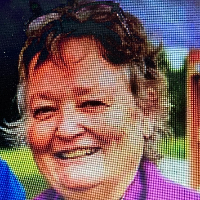
Diana Lively
Compassionate care for recovery and relationships
Start with Diana LivelyLicensed · Professional · Cancel Anytime

Compassionate care for recovery and relationships
Start with Diana LivelyLicensed · Professional · Cancel Anytime
Diana Lively earned a Master’s degree in Criminal Justice from Northeastern State University in 2001 and later completed a Master’s in Alcohol and Drug Abuse Counseling in 2013. She holds dual state licensure in Oklahoma as a counseling supervisor and as a supervisor for alcohol and drug counseling with mental health responsibilities, and she is recognized internationally as an advanced alcohol and drug counselor through the International Certification and Reciprocity Consortium.
With 14 years of experience in the mental health and recovery field, Diana has worked extensively with co-occurring disorders, providing outpatient education and facilitating recovery and prevention groups including ADSAC programs. Early in her career she served in community mental health where she supported clients with a wide range of co-occurring diagnoses and provided psycho-education as part of treatment. She has also collaborated with the court system to promote alternatives to sentencing and rehabilitation services.
Diana’s clinical approach is grounded in Cognitive Behavioral Therapy and the Matrix model for recovery, along with other appropriate therapeutic methods tailored to the needs of individuals and families. She is certified to administer drug and alcohol assessments and holds CAM certification in crisis work and suicide prevention. Her practice emphasizes mindfulness, holistic wellness, and relapse prevention strategies informed by a background in human behavior; she also holds an honorary Doctorate in Divinity.
Family-focused work is a central part of Diana’s practice. She uses psycho-education and structured family counseling to help members identify patterns of dysfunction, understand their roles in the family system, and develop healthier interactions. Her goals with families include improving communication, resolving conflict more constructively, strengthening trust, respecting boundaries, and supporting long-term values and strengths while addressing grief, stress, anger, and other challenges. Diana also examines faith-based and blended belief systems when appropriate and supports clients in developing practical skills for conflict resolution and relationship building.
Many people wonder whether remote therapy truly helps. For common concerns such as stress, anxiety, depression, relationship challenges, or navigating life changes, online therapy has been shown to be comparable in effectiveness to traditional in-person care for most cases.
One major benefit is flexibility - clients can connect in whatever way fits their schedule and comfort level, whether by video call, phone session, live chat, or in-app messaging. This adaptability makes it easier to maintain continuity of care and integrate sessions into a busy life.
Therapy provided online is delivered by licensed professionals, and clients have the option to change therapists if they feel a different fit would be more helpful. For many people, virtual therapy offers an accessible and practical path to addressing everyday mental health and relationship concerns while preserving the same therapeutic goals as face-to-face work.