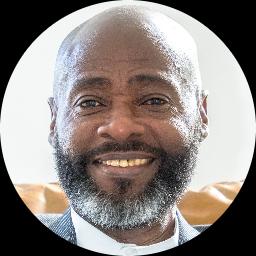
Daniel Gunn
Trauma-informed psychotherapy for adults
Start with Daniel GunnLicensed · Professional · Cancel Anytime

Trauma-informed psychotherapy for adults
Start with Daniel GunnLicensed · Professional · Cancel Anytime
Daniel Gunn is a psychotherapist and a Certified Clinical Trauma Professional (CCTP II) who is a registered member of the British Association for Counselling and Psychotherapy (MBACP). He has nine years of experience working in agency settings and in private practice, and he works with adults aged 21 to 80 from a variety of cultural backgrounds.
His formal qualifications include a BSc in Psychology from the Open University London campus (2015), a diploma in therapeutic counselling from CPCAB UK (2017), and a postgraduate diploma in psychopathology theory and practice from CONFER UK (2020). Daniel began specialising in trauma in January 2020 and is currently working towards EMDR-M certification, a modified form of EMDR that integrates attachment skills.
Daniel combines training in ancient wisdom with modern science to offer integrated care. He draws on body-focused therapy, Accelerated Experiential Dynamic Psychotherapy (AEDP), acceptance and commitment therapy (ACT), EMDR, internal family systems (IFS), somatic psychology, and mindfulness-based interventions to help people manage life challenges and find a balance between thinking and feeling.
He has experience supervising and facilitating groups in both agency and private practice settings. Having grown up in West Africa and lived in distinct cultures, Daniel brings a long-standing curiosity about human behaviour to his work. Earlier careers in customer service, surveillance, and health and safety have contributed transferable skills that inform his therapeutic practice.
Daniel’s approach is collaborative and individually tailored, incorporating bio-psycho-social-identity-intuition-spirituality where appropriate and applying work in the here and now. A first assessment helps establish confidentiality and assess fit, and he typically teaches self-regulation techniques before undertaking deeper trauma work or intensive problem-solving. He works both bottom-up and top-down to make sense of presenting difficulties. His goal is to explore the roots of current or past experiences, reduce symptomatic suffering so healing can occur, and support people to engage more fully in life—to work, create, love and receive love, be curious, and take different actions in the world outside the therapy room.
For many common concerns such as stress, anxiety, depression, relationship difficulties, and managing life transitions, online therapy has been shown to be comparable in effectiveness to traditional in-person care. It can be a practical option for people seeking support for these types of issues.
One major benefit is flexibility. Clients can meet with therapists in the format that suits them best - video calls, phone sessions, live chat, or in-app messaging - which often makes it easier to fit therapy into a busy life.
Therapists offering online work are licensed professionals, and clients may change therapists if they decide a different fit is needed. For those considering remote care, online therapy can offer accessible, adaptable support while addressing many everyday mental health and relationship challenges.