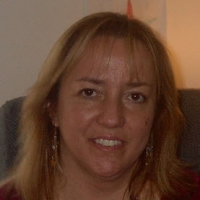
Cynthia Robinson
Holistic mental health care with expressive arts
Start with Cynthia RobinsonLicensed · Professional · Cancel Anytime

Holistic mental health care with expressive arts
Start with Cynthia RobinsonLicensed · Professional · Cancel Anytime
Cynthia Robinson centers her work on the belief that each person’s healing journey matters. She emphasizes collaboration and routinely checks in with clients to make sure her approach feels helpful and comfortable, welcoming feedback throughout the process.
She is trained in both traditional and non-traditional counseling methods. Her foundation in client-centered therapy, influenced by Carl Rogers, focuses on helping clients feel heard and having their feelings validated. She also draws on Cognitive Behavioral Therapy to explore how thinking patterns can contribute to stress and distress.
As a proponent of a holistic approach, Cynthia has additional training in the expressive arts. She explains that expressive art is not about artistic skill but about using drawing, painting, movement, writing, or other creative activities to express inner feelings, voice, and personal strengths. These modalities are used to help move blocked energy and access memories that the body holds - an approach she notes can be useful for a variety of concerns, including self-esteem, depression, anxiety, motivation, life decisions, career choices, eating disorders, and sleep difficulties. Participation in creative exercises is always optional and private; no one else needs to see the work unless the client chooses to share.
She also practices inner child work and often combines traditional therapies with expressive arts and guided visualizations so the approaches reinforce one another. Ultimately, the mix of techniques is tailored to what is most effective and comfortable for each person.
Cynthia earned a Master of Education in Mental Health Counseling from Bridgewater State University in Massachusetts in January 2001. She became a licensed mental health counselor in 2007 and holds a certificate in the Facilitation of Expressive Arts from Salve Regina University in Newport, Rhode Island, awarded in 2007. She is licensed in Massachusetts as a mental health counselor (MA LMHC, license number 5992) and brings 23 years of experience working with adults, children, and families.
She looks forward to the opportunity to work with new clients and support them on their path toward healing and growth.
Many people wonder whether online therapy can truly help. For common concerns such as stress, anxiety, depression, relationship challenges, or navigating life changes, online therapy has been found to be as effective as traditional in-person sessions for most people.
A major advantage of remote therapy is flexibility. Clients can connect in the way that suits them best - through video calls, phone sessions, live chat, or in-app messaging - which makes it easier to fit care into a busy life.
Therapy delivered online is provided by licensed professionals and therapists, and clients may choose to switch providers if they are seeking a different fit.
Overall, online therapy offers an accessible option for addressing everyday mental health concerns while providing a range of ways to engage with a therapist.