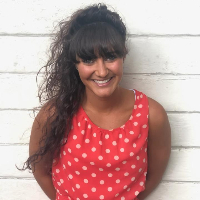
Courtney Cafaro
Person-centered counseling for lasting change
Start with Courtney CafaroLicensed · Professional · Cancel Anytime

Person-centered counseling for lasting change
Start with Courtney CafaroLicensed · Professional · Cancel Anytime
Courtney Cafaro is a Pennsylvania-based therapist with 7 years of experience in the mental health field. She holds a Bachelor of Science in Psychology and a Master of Arts in Forensic Psychology. She is licensed in Pennsylvania as a professional counselor and also maintains a master’s-level license as a Licensed Mental Health Counselor.
Courtney has worked with clients experiencing a wide range of challenges and diagnoses, including anxiety, depression, post-traumatic stress disorder (PTSD), bipolar disorder, and psychosis. Her practice also addresses stress, addictions, trauma and abuse, family conflicts, grief, intimacy-related concerns, eating disorders, parenting difficulties, anger management, self-esteem issues, career struggles, coping with life changes, coaching needs, compassion fatigue, and ADHD.
Her therapeutic approach draws on multiple modalities - person-centered therapy, cognitive behavioral therapy (CBT), strength-based methods, and psychoanalytic perspectives. She views treatment as individualized rather than one-size-fits-all, and she emphasizes a person-centered stance that gives clients significant influence over the direction of their sessions.
In early sessions Courtney focuses on gathering background information, understanding why a person has sought counseling, and identifying what they hope to achieve in treatment. Building rapport and clarifying treatment goals during those initial meetings helps determine which therapeutic techniques will best support each client as they move forward.
Many people wonder whether online therapy can make a real difference. For a number of common concerns - such as stress, anxiety, depression, relationship challenges, or navigating life changes - online therapy has been shown to be comparable in effectiveness to traditional in-person sessions.
One of the main benefits is flexibility. Clients can connect with their therapist in whatever format feels most comfortable - video calls, phone sessions, live chat, or in-app messaging - which makes it easier to fit therapy into a busy schedule.
Licensed professionals provide care through these remote options, and if a different therapeutic fit is needed, clients are free to switch to another therapist at any time.