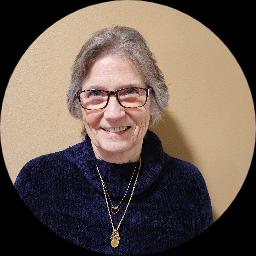
Cathy Heaps-Stetson
Person-centered support for life transitions
Start with Cathy Heaps-StetsonLicensed · Professional · Cancel Anytime

Person-centered support for life transitions
Start with Cathy Heaps-StetsonLicensed · Professional · Cancel Anytime
Cathy Heaps-Stetson is a mental health professional who has spent her career educating, training, counseling, and supporting people. She earned a master’s degree from Argosy University - Sarasota and has been a Licensed Mental Health Counselor in Florida for nearly 30 years; her license is MH10222. She is also certified as a Grief Recovery Specialist.
Her experience includes working with individuals facing a wide range of challenges, from those coping with a terminal illness to people navigating loss and other significant life barriers. Cathy views many difficulties as emerging or intensifying after a major change or loss in lifestyle.
She combines several therapeutic approaches to tailor treatment to each person’s needs, drawing on Gestalt techniques, cognitive behavioral therapy, mindfulness practices, and relaxation skills. Using cognitive behavioral methods, she helps clients identify and reframe negative thought patterns, and she teaches mindfulness and relaxation to increase awareness of behaviors driven by thoughts and emotions. Cathy assists in recognizing and restructuring cognitive errors and other obstacles that hinder progress.
As a Rogerian therapist, Cathy practices in a person-centered manner that is empathic, non-directive, supportive, and compassionate. She brings unconditional positive regard to her work and emphasizes that clients hold the answers to their own lives. Cathy offers reflective listening and a safe, non-judgmental environment for exploring thoughts and feelings, asking thoughtful and sometimes difficult questions, and supporting clients as they gain confidence and make decisions. She stays alongside clients throughout their journey, providing steadiness and encouragement every step of the way.
For many common concerns such as stress, anxiety, depression, relationship challenges, or navigating life transitions, online therapy has been shown to be as effective as traditional in-person care. It can be a practical option for people seeking help with everyday mental health needs.
One major benefit is scheduling flexibility - clients can choose the communication method that fits their life, whether that is video sessions, phone calls, live chat, or in-app messaging. This adaptability makes it easier to attend sessions without rearranging work, family, or other commitments.
Therapy offered online is provided by licensed professionals, and clients may change therapists if they prefer a different fit. The format supports the same therapeutic goals as face-to-face work, while offering additional convenience for accessing care.